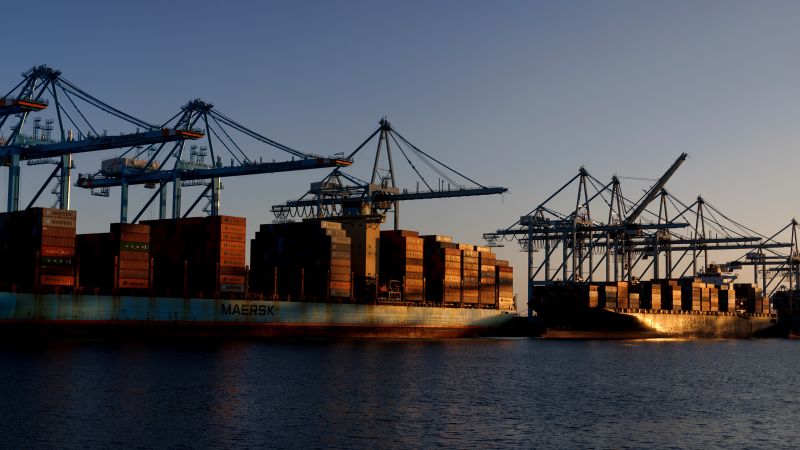
UPDATE: A potential surge in tariffs could significantly impact American consumers in 2026, with experts warning of rising costs for everyday goods. The United States collected an astonishing $187 billion in tariff revenue in 2025, nearly a 200% increase from the previous year, presenting a looming financial challenge for millions.
While the Trump administration managed to keep living costs relatively stable in 2025, the tide is turning. Businesses, which absorbed approximately 80% of the tariff burden last year, are now poised to pass these costs onto consumers. JPMorgan estimates that this figure could drop to 20% as early as this quarter, leading to higher prices at the checkout.
“A lot of our clients really didn’t want to pass the costs on, but now they’re really having to,” said Kyle Peacock, principal at Peacock Tariff Consulting.
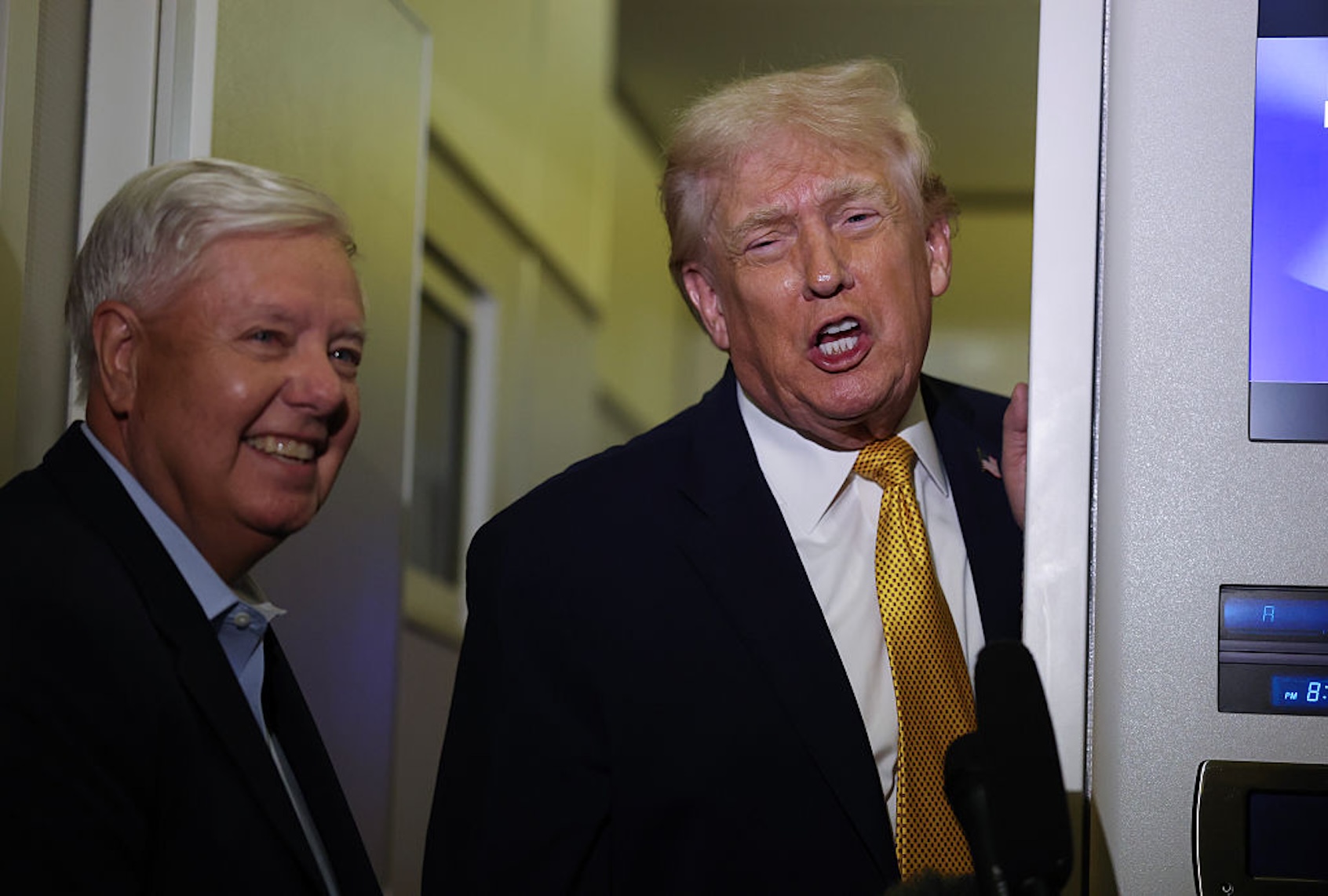
As grocery prices are expected to rise first, the pressure mounts on President Trump to make critical decisions ahead of the midterm elections. Will he maintain his tariff policies or ease them to provide relief to struggling Americans? The stakes are high, as Trump’s history of reversing tariff threats has led to speculation and concern among voters.
In the past, Trump has shown a pattern of fluctuating tariff policies, even delaying significant tariffs on items such as furniture and pasta just as the new year began. This latest move suggests the administration is aware of the political risks associated with escalating costs of living.
What’s driving the expected price increases? Businesses stocked up inventory last year to mitigate the impact of tariffs, but as these supplies dwindle, they must purchase goods subject to higher tariffs. Inflation is also squeezing consumers, with Goldman Sachs indicating that tariffs contributed to a 0.5% increase in inflation in 2025, bringing the total inflation rate to 2.7%—well above the Federal Reserve’s target of 2%.
The Supreme Court’s upcoming ruling on a landmark case challenging these tariffs could serve as a game-changer. If the court decides against the Trump administration, businesses may receive refunds on previously paid tariffs and face restrictions on imposing new ones, potentially curtailing the price surge.
As the Supreme Court verdict looms, businesses are in a holding pattern regarding pricing strategies. Many are considering how to adjust prices based on fluctuating tariff rates, which vary widely by product and origin.
Trump’s recent retreat from proposed tariffs on essential items reflects growing affordability concerns among voters. The president’s credibility is at stake as he navigates a landscape marked by rising costs and economic uncertainty.
As 2026 approaches, consumers should prepare for potential increases in their bills, especially for items with thin profit margins like groceries. The decisions made by both businesses and the Trump administration in the coming weeks will determine how much more Americans will pay for everyday goods.
Stay tuned for updates as the Supreme Court ruling and political developments unfold, impacting tariffs and inflation rates across the nation.