UPDATE: The escalating conflict with Iran, marked by the recent death of Supreme Leader Ayatollah Ali Khamenei on February 28, 2026, raises urgent economic concerns as officials warn of significant long-term impacts on the U.S. economy. As tensions heighten, the potential for a prolonged war could divert resources, stifle investment, and reshape economic dynamics across the nation.
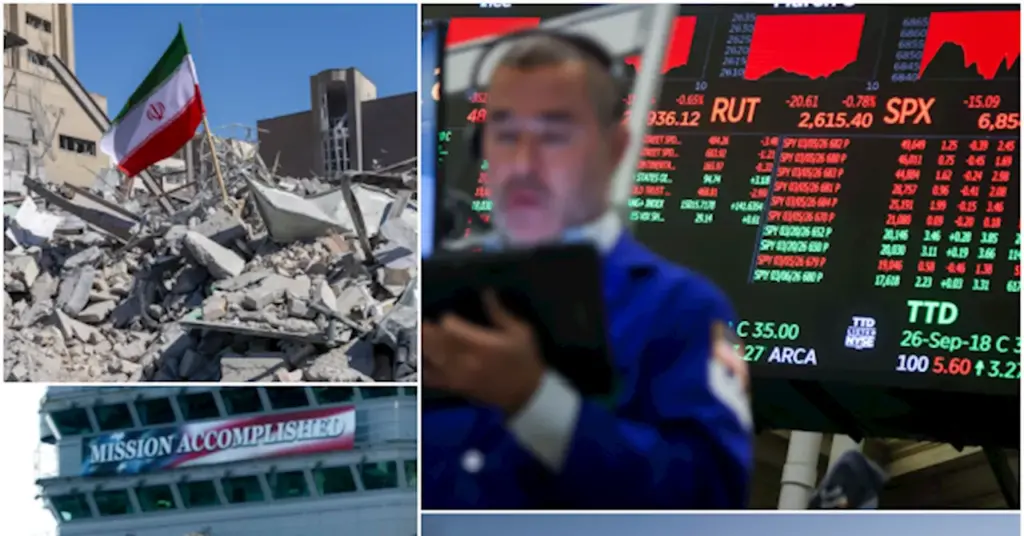
Recent market fluctuations highlight these concerns: when oil prices surged due to the conflict, stocks plunged, showcasing the direct impact on household budgets and corporate margins. Experts emphasize that the connection between energy prices and economic stability is critical, as oil remains a barometer for geopolitical tensions.
The economic implications of a drawn-out conflict extend far beyond immediate spending. Historical analogies, such as those drawn from World War II, reveal that while wartime production can initially boost output, the long-term costs are substantial. Robert Barro, a Harvard economist, illustrates that increased defense spending often leads to diminished private investment, which could hinder growth and productivity for years to come.
A combination of factors—including high-skill labor and industrial resources—are being pulled into the war effort, leading to a potential “crowding out” of civilian investment. Economists argue that without careful management, the U.S. could face a decline in living standards and real economic output.
The concept of “mission creep” poses additional risks. As the conflict persists, what begins as limited military objectives may expand, leading to a prolonged engagement that complicates recovery efforts. The so-called “Pottery Barn rule”—if you break it, you own it—could impose further burdens on U.S. resources, necessitating long-term commitments that stifle economic growth.
As public focus intensifies on the budgetary implications of the war, experts stress the often-overlooked structural changes within the economy.
“Every use of our resources is at the expense of an alternative use,”
as stated by economist John Maynard Keynes. This warning underscores the need for vigilance as funds and resources are redirected from productive civilian use to military efforts.
Looking ahead, the U.S. faces critical decisions regarding military engagement and economic priorities. With potential costs exceeding $2.89 trillion when factoring in long-term obligations, the stakes are higher than ever. Market analysts and policymakers must navigate these turbulent waters carefully to avoid long-lasting damage to the economy.
In summary, the war with Iran not only jeopardizes lives but poses a significant threat to economic stability. As the situation develops, the focus must remain on mitigating these risks to ensure a resilient future for the U.S. economy. Share this urgent update to keep others informed about the potential ramifications of this escalating conflict.