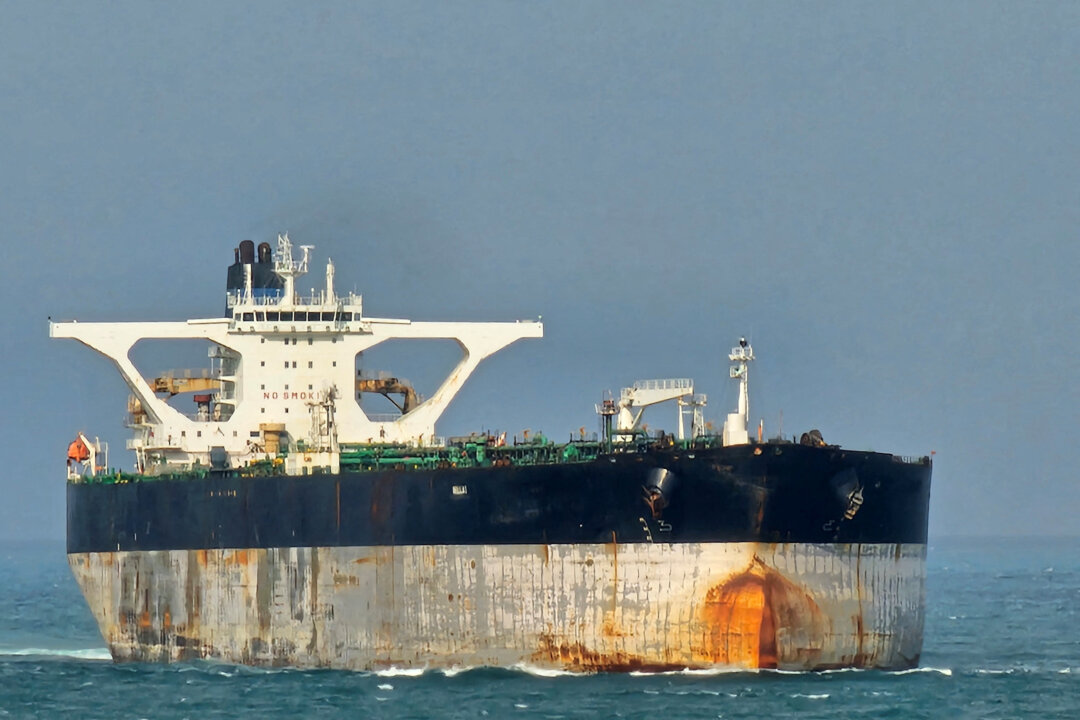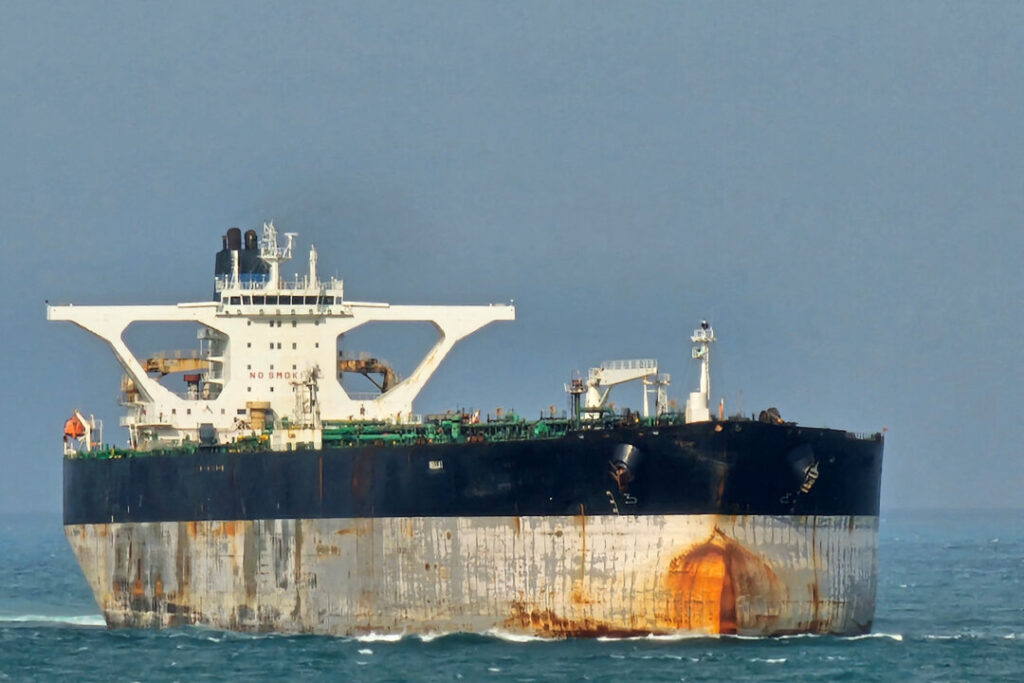
FILE PHOTO: The vessel tanker Bella 1 at Singapore Strait, after U.S. officials say the U.S. Coast Guard pursued an oil tanker in international waters near Venezuela, in this picture taken from social media on March 18, 2025. Hakon Rimmereid/via REUTERS/File Photo
UPDATE: The U.S. Treasury Department has just issued a groundbreaking general license on February 10, 2023, authorizing the exploration, development, and production of oil and gas in Venezuela. This critical move aims to boost the country’s crude output, which has suffered significantly due to stringent U.S. sanctions.
The newly approved license enables U.S. citizens to engage in vital oil and gas-related transactions with the Venezuelan government. This includes providing essential goods, technology, software, and services necessary for exploration and the development of new oil and gas sites. Furthermore, the license encompasses shipping, logistics, chartering vessels, insurance, and maintenance operations.
This decision is poised to rejuvenate Venezuela’s state oil company, PDVSA, which has been grappling with severe output cuts following a strict blockade imposed by Washington in January. The blockade resulted in millions of barrels of crude oil accumulating on shore, severely impacting the Venezuelan economy. The lifting of certain restrictions is anticipated to allow PDVSA to ramp up production and improve its financial standing.
The implications of this license are immense. As the global oil market continues to fluctuate, the resumption of operations in Venezuela could help stabilize prices and supply chains. Analysts expect that increased output from Venezuela could relieve some pressure on international oil prices, which have been volatile in recent months.
In a statement, U.S. officials highlighted the importance of this license as a step towards fostering a more stable energy landscape. The release noted, “This license aims to support the re-establishment of a reliable oil-producing nation, while still holding the regime accountable.”
What happens next is crucial. The Venezuelan government, led by Nicolás Maduro, now has an opportunity to leverage this license to restore its oil production capabilities. However, the potential for geopolitical tensions remains high, as the U.S. continues to monitor the regime’s actions closely.
As developments unfold, the global community will be watching closely. This move marks a significant shift in U.S. policy towards Venezuela and could have far-reaching consequences for the region’s energy dynamics. Share this urgent update and stay informed on the latest developments in this evolving situation.