UPDATE: In a shocking move early Saturday morning, U.S. forces conducted a military operation in Venezuela, forcibly removing President Nicolás Maduro without a declaration of war or prior congressional approval. This unprecedented action raises urgent questions about presidential authority and the future of U.S. military intervention abroad.
The operation, involving approximately 150 U.S. aircraft, was executed without any public announcement or imminent threat articulated beforehand. Instead, Americans learned of the event through statements from the Trump administration, which framed the intervention as a necessary step for Venezuela’s stability and political transition.
Officials confirmed that there were fatalities linked to the operation, although specific details remain scarce. Critics are voicing alarm over the lack of congressional oversight, as key lawmakers were briefed only after the operation had already commenced. This raises significant concerns about the erosion of democratic checks and balances in matters of war.
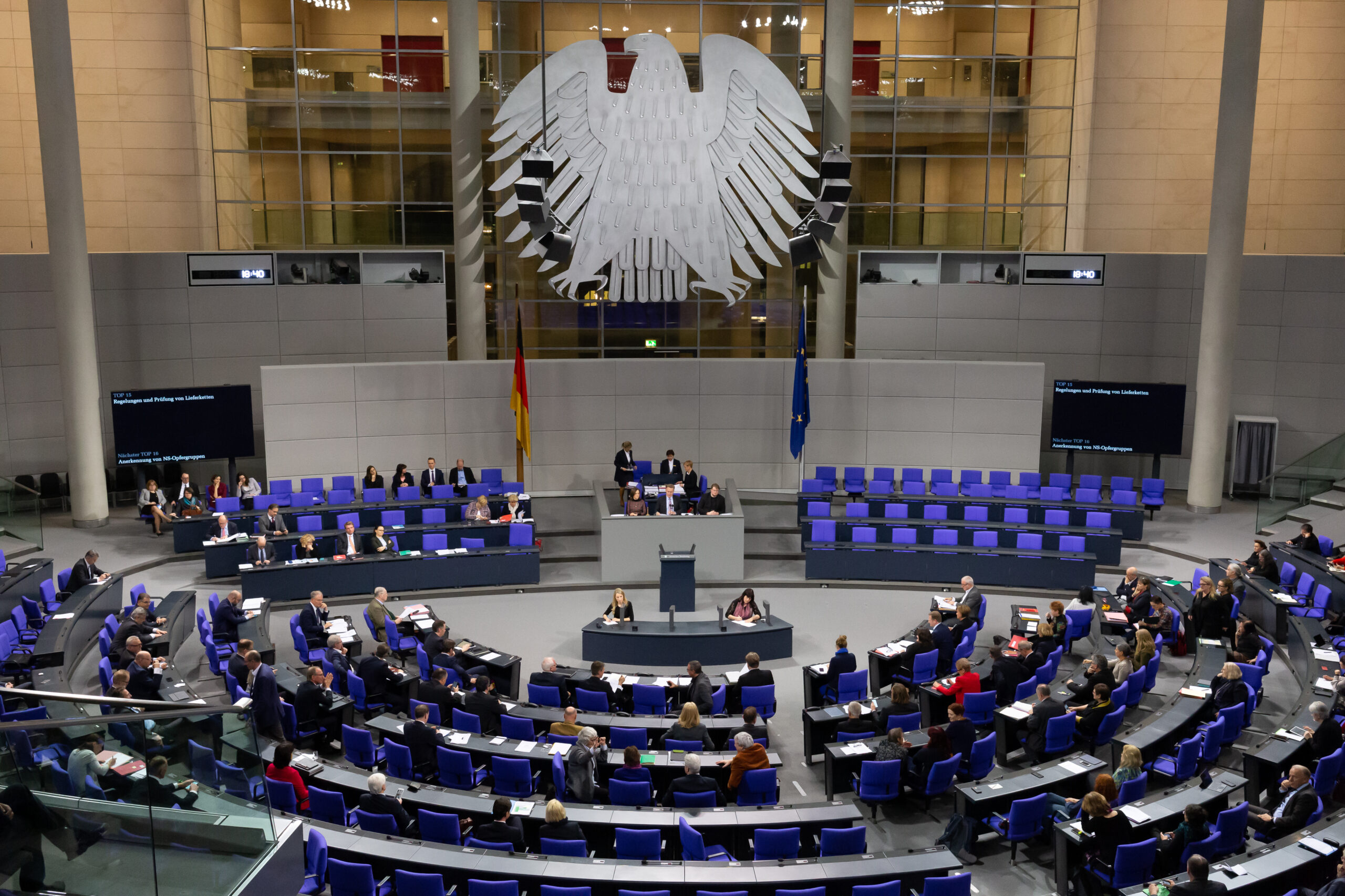
The absence of congressional authorization is particularly alarming. The War Powers Resolution mandates that Congress must approve military action, yet this operation bypassed those constitutional mechanisms. Senior officials treated Congress as an afterthought, leading to fears that this could set a dangerous precedent for unilateral military action in the future.
As the world watches, the implications of this military intervention extend far beyond Venezuela. The Trump administration’s justification—claiming the operation was a “law enforcement mission”—has been met with skepticism. Military operations involving airstrikes and the overthrowing of foreign leaders do not align with traditional law enforcement practices. Critics argue this redefinition of military action undermines the rule of law and accountability.
The ramifications of this decision could be profound. If the U.S. asserts the right to unilaterally engage in military action without congressional consent, it risks normalizing similar actions by other nations. The credibility of U.S. objections to aggression in regions like Ukraine and the South China Sea could be severely compromised.
The silence surrounding this operation is concerning. A government that acts without public consent and oversight is a threat to the principles of democracy. As Americans grapple with the implications of these developments, the focus now shifts to how Congress will respond and whether any actions will be taken to rein in executive power.
The urgency of this moment cannot be overstated. With war initiated and a foreign government overthrown, the question remains: who truly holds the power to declare war in the United States? As citizens ponder these critical issues, the impact of this military action will resonate far beyond the borders of Venezuela.
Stay tuned for further updates as this story develops.