UPDATE: US President Donald Trump has just announced a significant development regarding Greenland and NATO, revealing a new “framework” deal that could reshape Arctic relations. In a statement following a “very productive” meeting with NATO Secretary General Mark Rutte, Trump confirmed he will withdraw a tariff threat against several European allies, signaling a potential thaw in transatlantic tensions.
This urgent update comes as Trump emphasized that the agreement encompasses not just Greenland, but the entire Arctic Region. He framed the emerging understanding as a beneficial solution for both the United States and NATO. While specific operational details remain scarce, the announcement is poised to impact international relations significantly.
Trump’s comments follow a meeting characterized by positive dialogue, where both leaders expressed a mutual desire for collaboration. “We are making progress,” Trump stated, linking the decision to cancel tariffs set to take effect on February 1 to the developing agreement. Rutte echoed this sentiment, acknowledging the constructive nature of their discussions.
In a conciliatory response, Danish Foreign Minister Lars Løkke Rasmussen noted that the day concluded “on a better note than it began.” He called for ongoing talks to address American security concerns in the Arctic while respecting Denmark’s sovereignty over Greenland—a topic that was notably absent from their discussions.
Despite the positive tone, the meeting leaves many questions unanswered, particularly regarding any potential US ownership claims over Greenland. Trump hinted that the “framework” could involve rights related to minerals and broader defense strategies, including his ambitious “Golden Dome” missile-defense initiative. The strategic importance of Greenland is underscored by its location and resource potential, especially as interest from Russia and China in the Arctic grows.
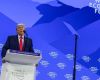
The announcement arrives amidst Trump’s address to global leaders in Davos, where he expressed a preference for negotiation over military action. This marks a notable shift from previous weeks, where threats of tariffs and harsh rhetoric had strained relationships with European nations.
European capitals are now closely monitoring the situation for specifics regarding what the “framework” entails and what the United States is willing to offer in return. As developments unfold, the implications for regional security and international diplomacy remain profound.
Stay tuned for more updates on this evolving story, as both leaders continue to navigate the complexities of Arctic relations and NATO commitments.