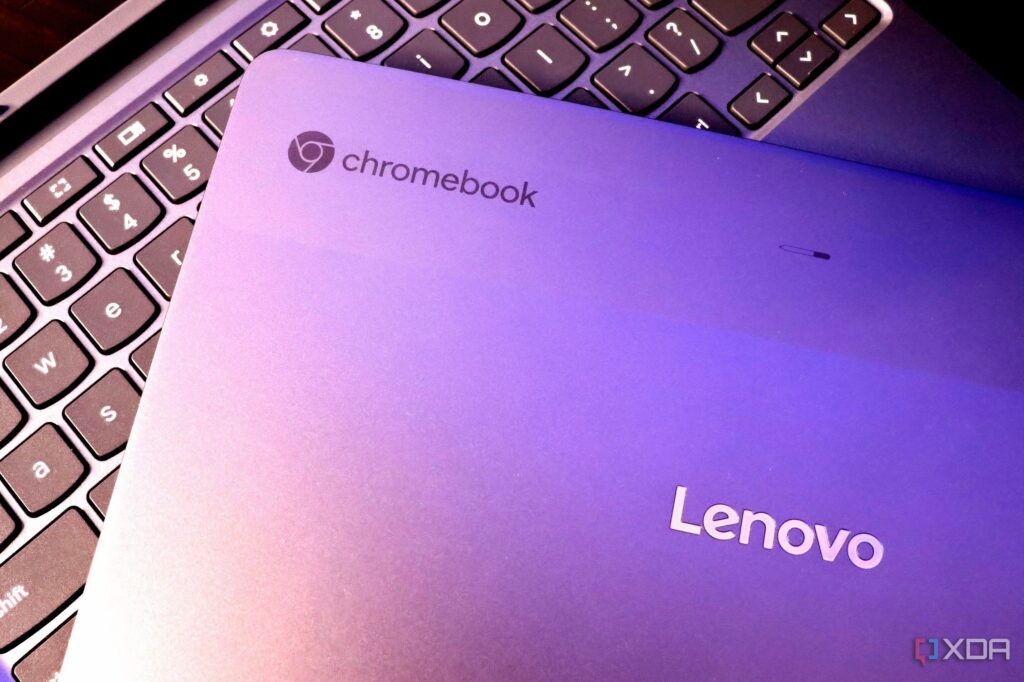
URGENT UPDATE: Transform your old Chromebook into a home server with just a few simple steps! As Google’s support for many Chromebooks fades, tech enthusiasts are rediscovering their potential as efficient, low-cost servers.
New reports confirm that older Chromebooks, often relegated to drawers once they age out of updates, can be repurposed into functional home servers. With their low power consumption and built-in features, these devices present an excellent opportunity for tech-savvy individuals to create a quiet, efficient server setup at no additional cost.
Chromebooks are engineered for power efficiency, making them ideal for server tasks. Designed with low-power processors, they can run continuously without heavy electricity bills. Many models are also fanless, ensuring minimal noise—perfect for small living spaces. With built-in screens, keyboards, and trackpads, they eliminate the hassle of extra peripherals.
However, users must tackle a significant hurdle: the limitations of ChromeOS. While ChromeOS is not suited for server functionalities, community projects like MrChromebox offer firmware updates that allow users to install full Linux distributions. This transition enables Chromebooks to function like standard laptops, unlocking their true potential.
Once Linux is installed, the possibilities expand. Users can run lightweight services such as Pi-hole for ad-blocking, local DNS resolvers, or even small Docker containers for personal websites. VPNs like WireGuard can also thrive on these devices due to their efficiency and consistent uptime.
Experts caution that while Chromebooks are versatile, they have limitations. They are not built for heavy virtualization or storage-intensive roles. Users looking to run extensive databases or media libraries should consider other options.
Storage is another consideration. Many Chromebooks utilize soldered eMMC storage, which is less durable than traditional SSDs. However, for most server workloads that are read-heavy, this isn’t a significant issue. External USB SSDs can be a viable solution for tasks requiring more write capacity.
Networking capabilities are also limited, typically featuring only a single Wi-Fi interface. While this may not suffice for routing tasks, it works well for internal services. For those needing wired connections, USB Ethernet adapters can provide additional stability.
The takeaway? Your old Chromebook is not just an outdated device; it can become a stepping stone into the world of home servers. With efficiency, low noise levels, and a familiar interface, it offers an accessible entry point for tech enthusiasts.
WHAT’S NEXT: Users eager to repurpose their Chromebooks should consider exploring Linux installation guides and community resources. As the trend of repurposing older tech gains momentum, expect more tips and innovations to emerge in the tech community.
Act fast—your old Chromebook could be the key to a new tech adventure!