UPDATE: The tech industry is reeling from its most significant failures over the past decade, with losses mounting to an astonishing $70 billion. As companies promised groundbreaking innovations, many turned into expensive failures, leaving investors and consumers alike questioning their value.
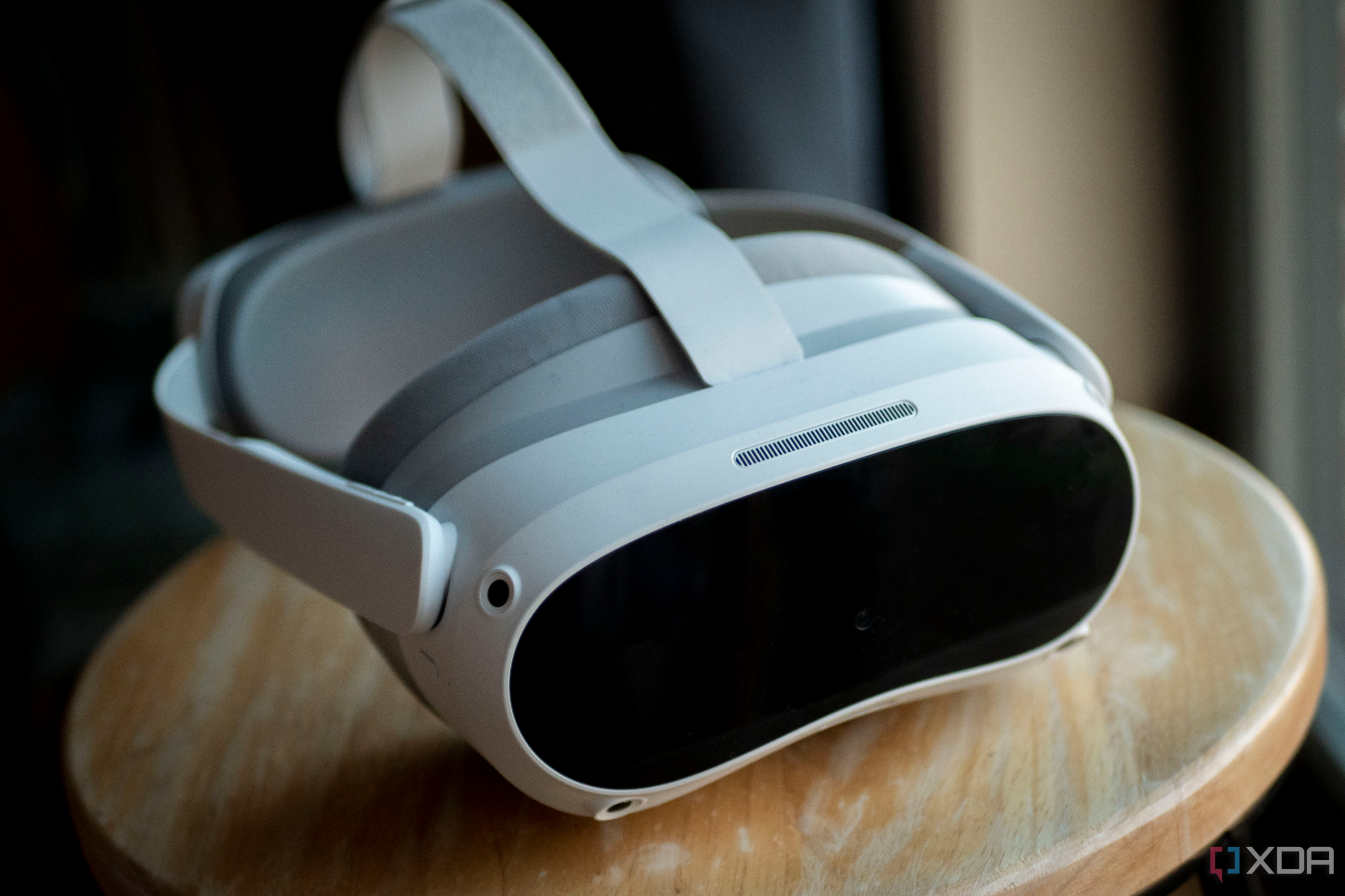
Breaking News: In 2021, Mark Zuckerberg’s vision for the Metaverse marked a drastic rebranding of Facebook to Meta. The promise? A digital utopia where users could engage in virtual meetings as floating avatars. Fast forward to 2026, and this dream has morphed into a staggering financial catastrophe, with Meta recently laying off 1,500 employees from its Reality Labs division. The flagship app, ‘Horizon Worlds,’ struggles to maintain even 900 active daily users, a stark contrast to the hype surrounding its launch.
The tech world also saw the rise and fall of 3D displays. Following the success of James Cameron’s Avatar in 2009, manufacturers rushed to create 3D TVs, laptops, and handheld devices, only to discover that consumers preferred comfort over gimmicks. The once-promising technology was abandoned in favor of 4K UHD displays, as major brands shifted focus to more user-friendly options.
In a striking example of consumer rejection, Google Glass debuted in 2013 at a staggering price of $1,500. The awkward design and lack of practical applications led to its discontinuation just two years later. However, Google is eyeing a comeback with new AI-powered glasses set to launch in 2026, hoping to learn from past mistakes.
Motion control also fizzled out after an initial surge in popularity. Between 2008 and 2011, the technology was hailed as the future of gaming, with Microsoft’s Kinect and Sony’s PlayStation Move. Yet, as of 2026, these interfaces are nearly nonexistent outside virtual reality ecosystems. Users have largely reverted to traditional controllers, valuing precision and comfort over novelty.
Lastly, the push for AI PCs has been met with skepticism. Companies like Intel and AMD have invested heavily in AI capabilities, yet reports indicate poor sales of their dedicated neural processing units (NPUs). Intel’s former CEO of Products confirmed that AI chips failed to attract consumer interest, with Dell’s product head noting that AI features didn’t influence purchasing decisions.
The tech industry’s ambitions often clash with reality, revealing a disconnect between innovation and user needs. As the landscape evolves, the focus must shift to comfort, usability, and genuine consumer demand. The lessons from these monumental flops remind us that not every technological leap is progress; sometimes, they are solutions in search of a problem.
What’s Next: As the tech giants reassess their strategies, the next few years will be crucial in determining whether they can learn from these mistakes. Watch for announcements regarding new products and shifts in focus as companies aim to regain consumer trust and financial stability.