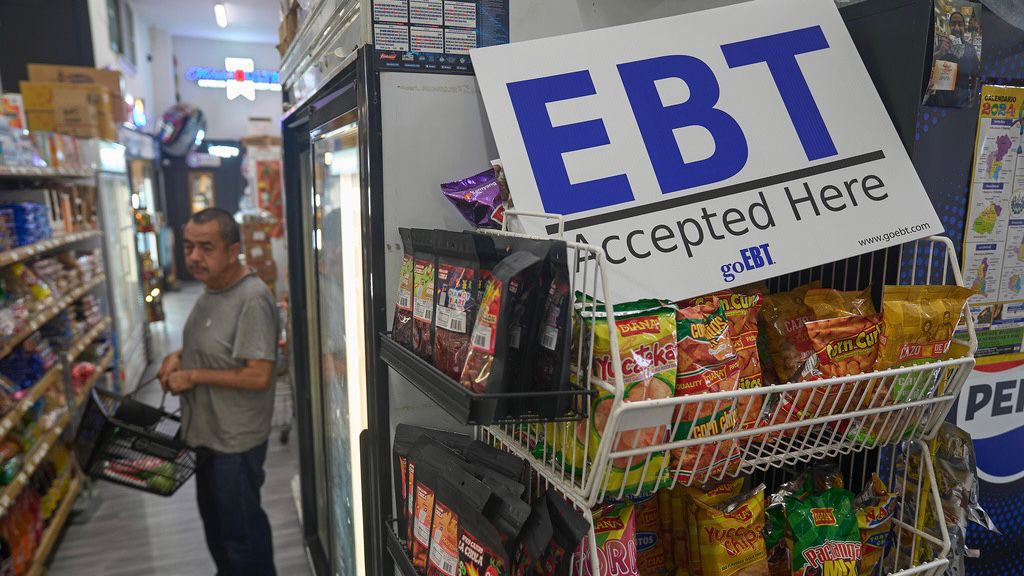
URGENT UPDATE: Starting March 1, 2025, New Yorkers who rely on food assistance will face new, stricter work requirements under the Supplemental Nutrition Assistance Program (SNAP). This change directly impacts “able-bodied adults without dependents” aged 18 to 64, who will now need to document at least 80 hours per month of work, job training, or approved activities to maintain their benefits beyond three months in a three-year period.
This sudden shift is set to affect hundreds of thousands of New Yorkers, many of whom are already struggling. Redeemer Dixon, an Albany resident recovering from an injury, expressed her concerns: “For me and my daughter, well, I get $532. They provide me, but it’s just not enough to conquer demand.”
As food prices continue to rise—with a 2.4% increase in food-at-home costs reported in the past year—low-income families face mounting pressure. Krista Hesdorfer, director of public affairs at Hunger Solutions New York, highlighted the gravity of the situation: “The average SNAP benefit in New York covers less than two meals per day,” making it increasingly difficult for families to stretch their resources.
State officials are urging SNAP recipients who do not live with children to pay close attention to their mail and respond to calls from local social services. Barbara Guinn, commissioner of the New York State Office of Temporary and Disability Assistance, confirmed that while these rules are federally mandated, there are numerous exemptions available. “If someone is unable to work 80 hours a month, they need to ensure their social services district is aware,” she said.
Exemptions include circumstances such as pregnancy, disabilities, and caregiving for young children. Advocates stress that those affected should seek assistance and inquire about their eligibility for these exceptions. “We are requiring each social services district to inform recipients of the requirement and offer assistance to help them maintain their SNAP,” Guinn added.
With the clock ticking down to the implementation date, advocates and officials alike are mobilizing to ensure that vulnerable New Yorkers are informed and supported. The urgency of this situation cannot be overstated, as many families brace for the potential impact of these new regulations.
Stay tuned for further updates on this developing story and how it may affect you or those in your community.