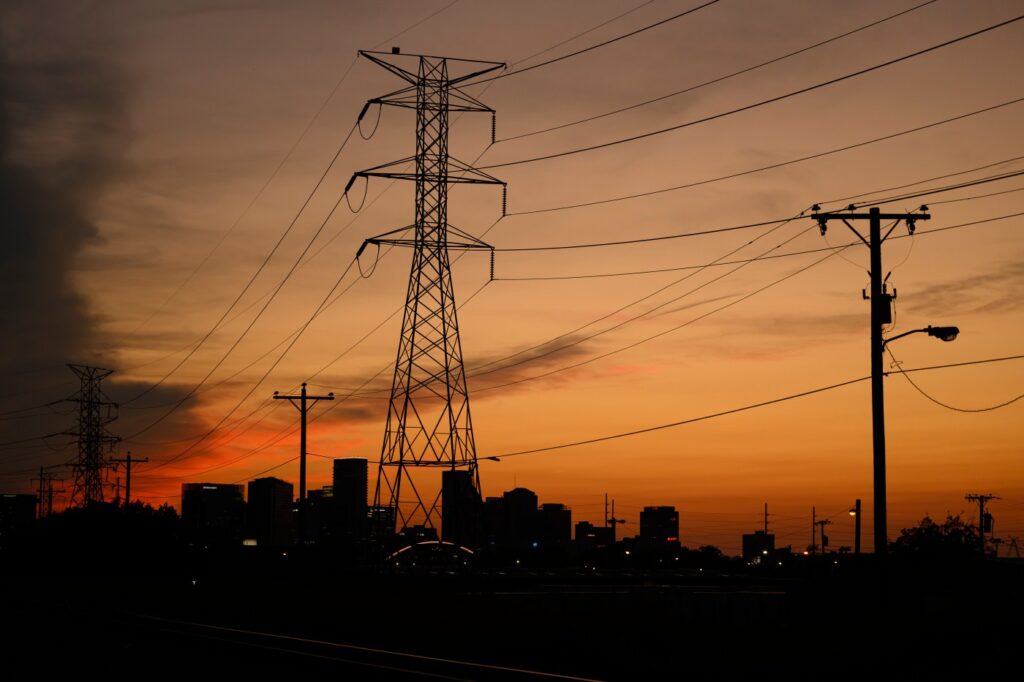
Electricity costs are soaring across the United States, prompting discussions on whether data centers should contribute to the expenses associated with expanding power infrastructure. The National Energy Assistance Directors Association (NEADA) estimates that the average household will spend approximately $995 on home heating this winter, marking an increase of $84 compared to the previous year. This surge in electricity prices, which are expected to reach their highest level in a decade, has put additional strain on household budgets.
As of January 2025, residential electricity bills have risen by about 10%. NEADA attributes these increases to various factors, including high interest rates that elevate grid financing costs, increased reliance on natural gas for power generation, rising demand from data centers, aging infrastructure, and regional capacity shortfalls.
Government Response and Proposals
In response to the escalating costs, the administration under President Donald Trump has proposed plans to develop new “reliable baseload” power sources in the Mid-Atlantic region, which is serviced by PJM Interconnection. The Department of Energy (DOE) indicates that the administration aims to expedite the construction of new power generation facilities that encompass coal, natural gas, and nuclear energy.
To facilitate this expansion, the DOE announced an agreement with regional governors to encourage PJM to invest more than $15 billion in new reliable generation resources. Central to this initiative is the question of who will bear the financial burden of these expansions. The administration argues that ratepayers should not be responsible for the costs associated with meeting the demands of large electricity consumers, particularly data centers.
Instead, the DOE suggests that PJM should mandate data centers to cover the costs of new generation resources built to accommodate their energy needs, whether they directly consume the power or not. The rationale is that by shifting more of the financial responsibility onto large electricity users, the pressure on the grid would be alleviated, ultimately stabilizing consumer prices.
Legislative Developments
In a bid to formalize this approach, a bill was introduced in the United States Senate last week. This legislation aims to require technology companies to contribute their fair share towards the costs they incur. The proposed bill would direct states to assess the feasibility of establishing a new rate classification specifically for data centers, ensuring that their costs are allocated appropriately in comparison to residential consumers.
As the debate over electricity costs and data center responsibilities intensifies, the implications for consumers and the energy market remain significant. The outcome of these discussions could shape the future of energy consumption and pricing in the United States.
For further insights or to share news tips, interested parties can reach out to Emma Withrow at [email protected] or via social media at x.com/emma_withrow.