UPDATE: A Maryland professor was left homeless for nearly two months after squatters moved into his home using a fake lease. The shocking incident has resulted in over $80,000 in damages, raising urgent questions about property rights and squatting laws.
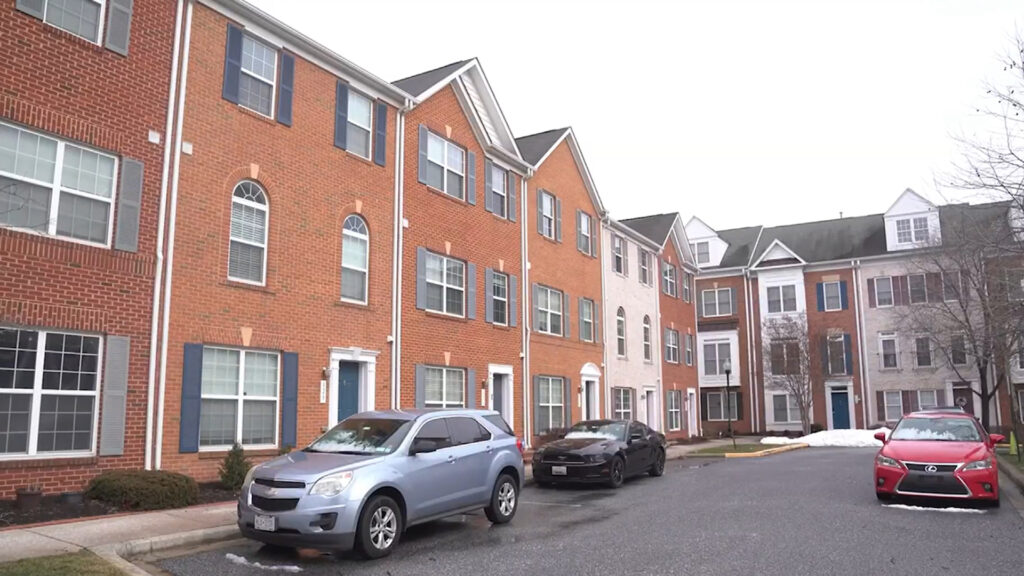
Professor Ze Wang, a faculty member at the University of Maryland School of Medicine, returned to his townhouse in the Pigtown neighborhood of Baltimore on January 7, only to find that his keys no longer worked. In a panic, he called 911 upon discovering signs of forced entry into his home. What he found next was astonishing: strangers unloading their belongings from a vehicle parked in his garage.
“I was totally shocked,” Wang told FOX45. “Before the police came, the woman came out and knocked on my window, saying, ‘We can talk.’ I said, ‘No, no, you shouldn’t be here, this is my house.’”
When officers from the Baltimore Police Department arrived, the woman produced a lease agreement signed by someone named “Samuel.” Wang quickly dismissed the document as fraudulent, stating, “Everything is fake.” Despite presenting evidence of forced entry, including a damaged window and a removed deadbolt casing, police left the scene after viewing the lease, treating it as a landlord-tenant dispute rather than criminal trespass.
Wang found himself without a place to sleep, forced to live elsewhere while receiving demands for $5,000 in cash from the squatters to vacate his property. “We are both victims,” the sender of the messages told him, highlighting the absurdity of the situation.
After enduring a harrowing 59 days of homelessness, Wang finally saw the squatters leave his property. Upon returning, he discovered extensive damage: multiple holes in the walls, a broken garage door frame, and a home littered with discarded items—including children’s toys, soiled baby diapers, and drug paraphernalia.
Contractors are now on-site repairing the townhouse, but the estimated cost of repairs has skyrocketed to over $80,000. Water damage from a clogged toilet on the third floor has caused a section of the ceiling to collapse into the basement. Disturbingly, the house bore a strong odor of urine and feces.
Wang is looking to restore his home with plans to sell it soon. His nightmare reflects a growing issue in Maryland, where lawmakers are currently debating changes to laws addressing fraudulent leases and the networks that facilitate squatting.
This urgent situation highlights the critical need for legal reforms to protect homeowners from similar violations. As the story develops, many are watching to see how authorities will respond to the increasing prevalence of such cases. Wang’s experience serves as a stark reminder of the vulnerabilities homeowners face in today’s housing climate.
Stay tuned for more updates on this developing story.