The Nobel Peace Prize has ignited debate following the announcement of its 2025 recipient, Venezuelan opposition leader María Corina Machado. Machado, honored for her efforts against authoritarianism in Venezuela, controversially presented the award to former U.S. President Donald Trump, who had previously claimed to have ended multiple conflicts during his presidency.
The Nobel Committee’s decision to award Machado has drawn mixed reactions, particularly from Trump, who expressed dissatisfaction that he was not recognized for his purported role in resolving up to eight wars. He remarked that the Norwegian government should be accountable for what he termed a “grave oversight.” According to Norwegian Prime Minister Jonas Gahr Stoere, the Nobel Peace Prize is awarded by an independent committee, meaning the government has no sway over the selection process.
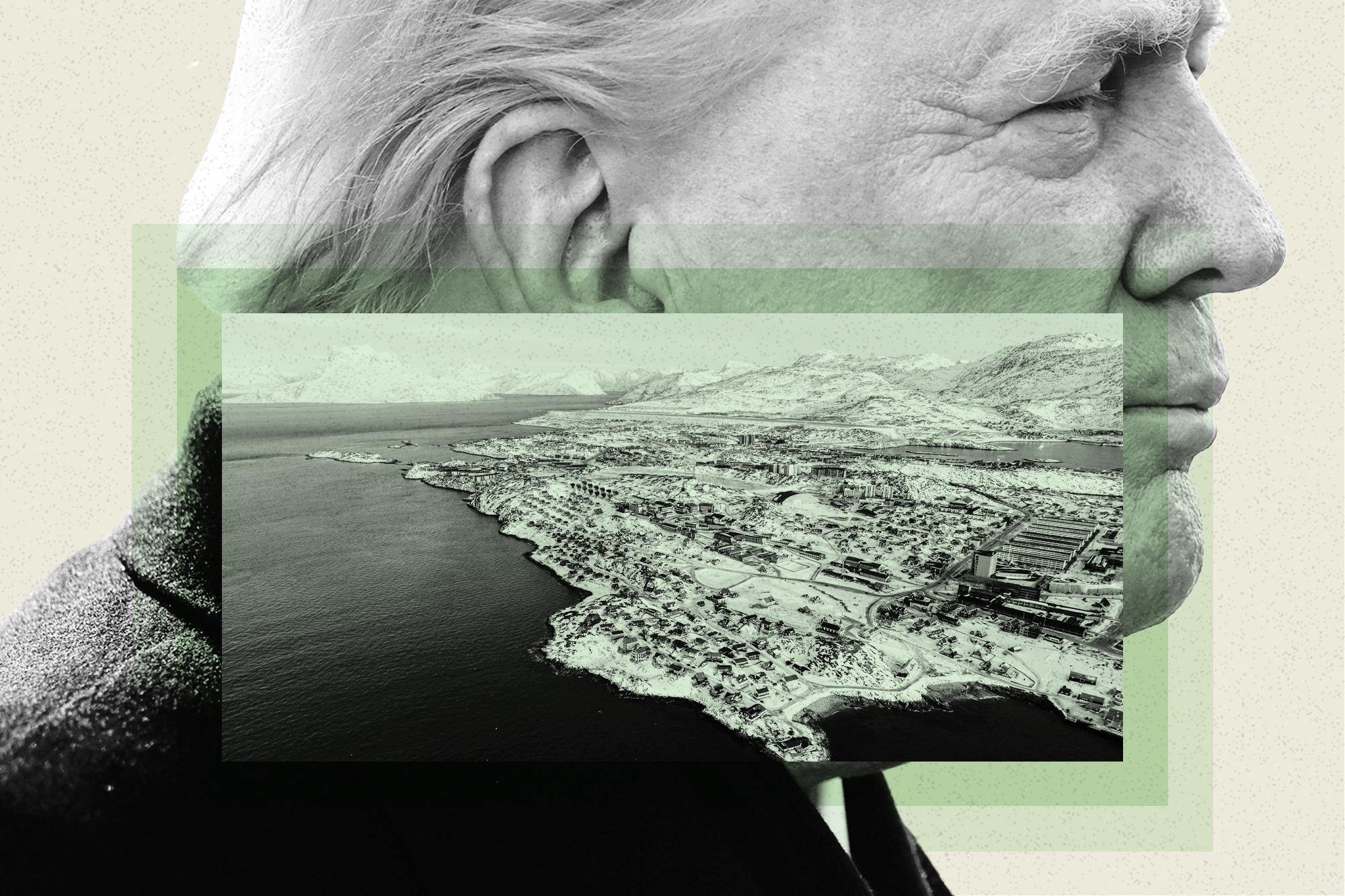
Trump’s response to Stoere included an unusual demand for “Complete and Total Control of Greenland,” which is technically an autonomous territory of Denmark. Stoere’s retort was not made public, but it is widely assumed he viewed Trump’s comments as misplaced, highlighting the complexity of international relations.
This controversy echoes the sentiments surrounding previous Nobel laureates. For instance, former President Barack Obama received the Peace Prize in 2009 after only eight months in office, a decision that many questioned, especially given that he had not yet made significant strides in foreign policy. The Nobel Committee lauded Obama for his “extraordinary efforts to strengthen international diplomacy,” a claim that some critics dismissed as unfounded.
Trump’s announcement of his own Peace Prize aspirations reflects a broader pattern of public figures seeking recognition for their diplomatic efforts. As he continues to assert his importance in international affairs, the question remains: what criteria should the Nobel Committee use in its selections? The committee’s choice of Machado has certainly stirred the pot, raising discussions about the value of peace efforts and the recognition of global leaders.
In a light-hearted twist, the columnist lamented a perceived injustice in not receiving a Nobel Prize for Literature, humorously suggesting that it be awarded to Clarabell the Clown instead. This anecdote underscores the sometimes surreal nature of public discourse surrounding prestigious awards.
As the debate continues, the implications of these award choices extend beyond individual recognition. They reflect the evolving landscape of geopolitics and the values that different leaders embody. The Nobel Peace Prize, intended to honor those who promote peace, remains a powerful symbol, but its selections often provoke more questions than answers.