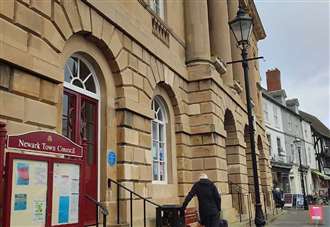
UPDATE: In a heated Newark Town Council meeting on January 28, 2025, a motion to transfer council assets back to the Newark and Sherwood District Council was overwhelmingly rejected, igniting fierce debate among council members. The proposal, put forth by Matthew Skinner and supported by Diane Ledger, aimed to reassess the management and delivery of key assets including parks, the town hall, and the market.
The motion sought to explore whether these services would be more efficiently managed under the district council, which is set to evolve into a unitary authority amid ongoing local government reorganization efforts. Skinner emphasized the financial strain on Newark residents, stating, “One of the biggest challenges we have… is in terms of our finances.” He questioned if a switch to district management could yield cost savings for local taxpayers.
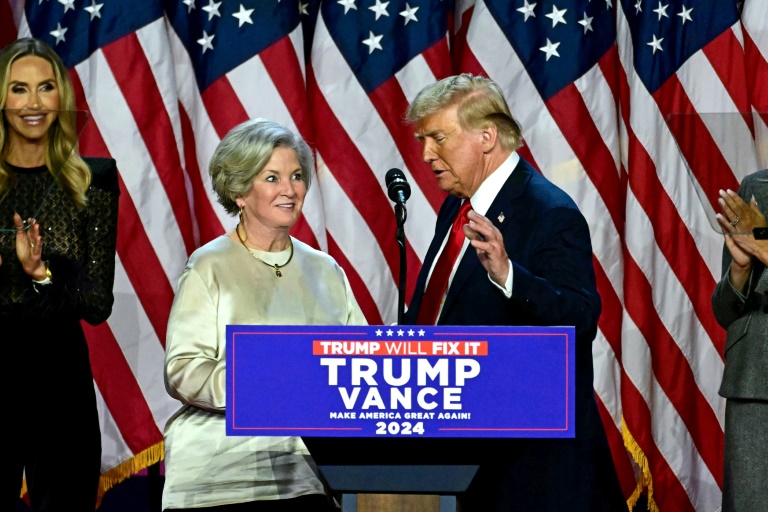
Critics of the proposal voiced strong opposition, with Susan Crosby declaring, “My legacy will not be giving the town council assets away,” highlighting concerns over local control. The council’s decision comes as the government pushes for a north-south model for local governance, which would dissolve existing councils and create two new unitary authorities covering the region.
The implications are profound. If the proposal had passed, it could have led to Newark residents paying increased council taxes while relinquishing control over local services. Skinner pointed out the potential financial burden on residents, noting that Newark taxpayers could face higher rates compared to neighboring areas that are not part of the town center.
The motion faced fierce scrutiny as council members expressed fears that handing assets back to the district council would diminish local democratic representation. Matthew Spoors argued that this action could be perceived as an “attack on local democracy,” warning that it would transfer decision-making to councillors unfamiliar with Newark’s unique needs.
Amid the controversy, some councillors found merit in reassessing the proposal. Paul Taylor acknowledged the financial challenges ahead, stating, “I believe this building [the town hall] is the jewel in the crown for Newark, but it needs a million quid or so spending on the roof.” He stressed the need for a strategic approach moving forward, urging colleagues to consider all options for the wellbeing of Newark’s residents.
The council’s financial landscape is shifting dramatically. In light of the local government reorganization, the annual grant of $3,780,000 that Newark Town Council receives from the district is set to terminate in 2026/27, raising urgent questions about future funding and service sustainability.
As the council grapples with these pressing issues, the rejection of the asset transfer motion is just the beginning of a larger conversation about the future of local governance in Newark. The council will continue to discuss the implications of the local government reorganization and its next steps in the coming months.
This developing situation is crucial for Newark residents, who must navigate potential changes to council services and financial responsibilities. Stay tuned for further updates as the council deliberates on the best path forward for its community.