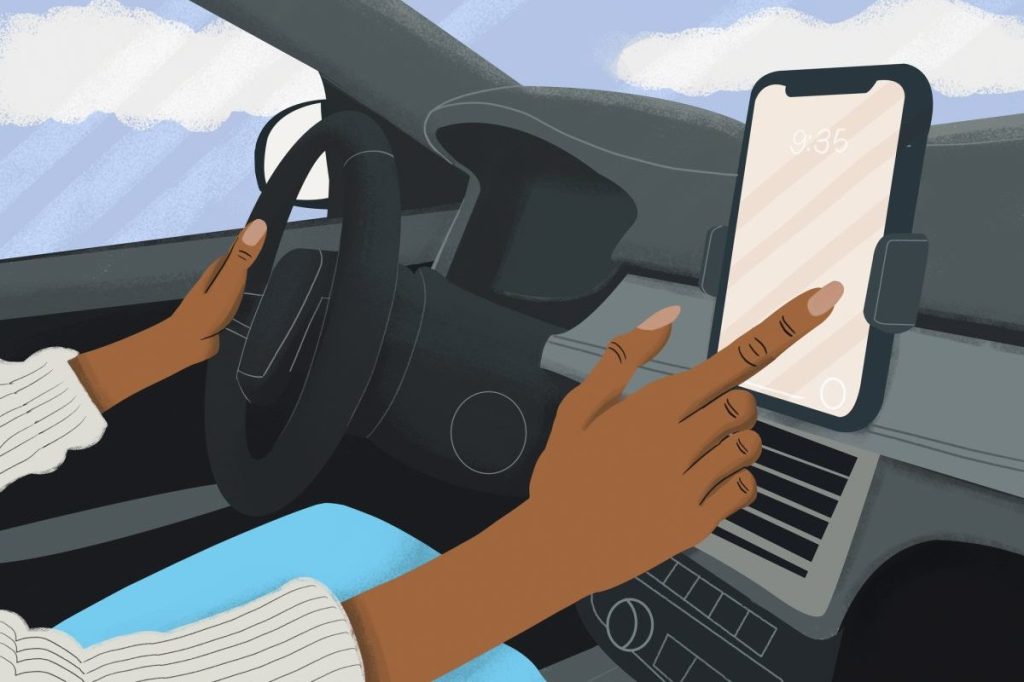
URGENT UPDATE: A groundbreaking study from the University of Washington and the Toyota Research Institute has confirmed what many drivers have long suspected: touchscreens in modern cars are significantly more distracting than traditional physical buttons. This alarming revelation underscores critical safety concerns for millions of drivers on the road today.
The study highlights that drivers reaching for touchscreen controls often divert their attention away from the road, increasing the risk of accidents. As vehicles become more technologically advanced, the overreliance on touch interfaces is raising eyebrows among safety advocates and automotive experts alike.
According to the research, conducted in 2023, participants found it markedly easier to operate physical controls without taking their eyes off the road, compared to navigating touchscreen menus. The implications are profound, especially in an era where driver distractions are a leading cause of traffic incidents.
“This study serves as a wake-up call for manufacturers,” said a representative from the University of Washington. “As we innovate, we must prioritize driver safety over aesthetic design.”
The findings come at a crucial time when car manufacturers are increasingly shifting toward digital interfaces, often at the expense of user-friendliness. Drivers, especially those accustomed to older models with tactile buttons, report frustration with touchscreen systems that require more visual engagement.
While many manufacturers tout the sleek design and advanced features of their vehicles, this study reveals a fundamental flaw in the user experience. Automotive journalists and industry experts are already calling for a reevaluation of design priorities, urging manufacturers to consider the driving experience’s safety aspects.
What does this mean for consumers? Those in the market for a new vehicle may want to reconsider their options and weigh the benefits of physical controls against the allure of modern touchscreens. As the debate heats up, drivers are encouraged to advocate for safer designs that keep their focus where it belongs—on the road.
Next Steps: The automotive industry is poised for discussions on how to enhance driver safety in the face of advancing technology. Expect to see increased pressure on manufacturers to integrate more physical controls in their future models.
As this story develops, stay tuned for further updates on how this research could influence automotive design and driver safety regulations. Share this critical information with fellow drivers to highlight the important conversation around technology and safety on the road.