URGENT UPDATE: The innovative new tool, Mind Map AI, has just launched, providing users with remarkable customization features for mind mapping. This development comes as many users of NotebookLM express the need for a more flexible option that allows for standalone capabilities.
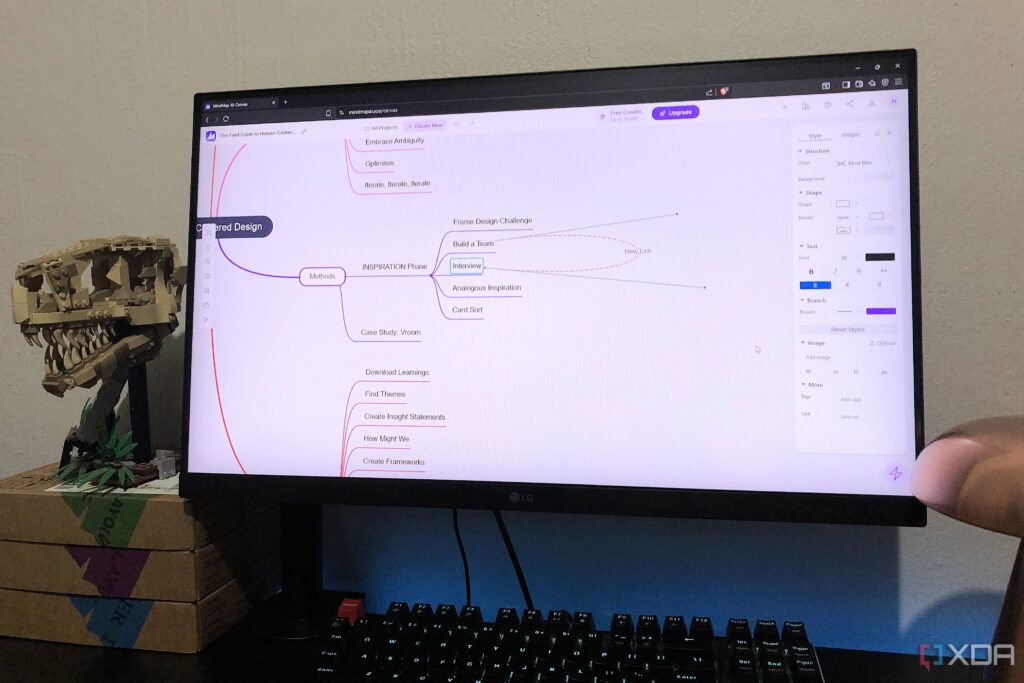
Mind Map AI is designed to automatically generate mind maps from user-provided prompts and sources, breaking down complex topics into organized subtopics. The tool features a Copilot AI assistant, which enhances the mapping process by allowing users to expand on content with real-time web searches. Unlike NotebookLM, which is limited to curated notebooks, Mind Map AI enables users to create maps “out of thin air,” making it a highly versatile addition to the learning toolkit.
This tool is particularly appealing for those who seek both the power of mind mapping and the freedom to customize their diagrams. Users can choose between various diagram types, including Mind Maps, Logic Charts, and Org Charts, and adjust colors, shapes, sizes, and text fonts. These features are designed to enhance the user experience, making it a suitable choice for visually-oriented learners.
However, Mind Map AI operates on a freemium model, limiting the number of maps users can create each month. This may pose challenges for frequent users, although the free credits should suffice for basic projects. The tool is ideal for individuals who create mind maps occasionally, but those needing extensive features may consider a subscription.
Users have reported that Mind Map AI performs exceptionally well in generating accurate and interactive maps. For example, when tasked with creating a map of the top five dog breeds, the tool demonstrated its effectiveness by producing reliable information based on user prompts. This capability positions Mind Map AI as a strong contender against NotebookLM for those looking for customization and ease of use.
As users explore this new tool, it’s important to note that while Mind Map AI excels in generating diagrams quickly, it lacks the depth of analysis offered by NotebookLM. The latter remains unrivaled for its ability to retrieve and synthesize information, making it essential for those seeking deeper insights into complex subjects.
In summary, Mind Map AI emerges as a compelling alternative for users wishing to create interactive smart maps with customization options. It is essential for those in academia, business, and creative industries to stay updated on this development, as it could significantly enhance productivity and learning strategies.
NEXT STEPS: Users are encouraged to try out Mind Map AI and share their experiences. As the tool continues to evolve, keeping an eye on updates and new features will be crucial for maximizing its potential. How will this shift impact users’ learning and organizational processes? Only time will tell, but the buzz around Mind Map AI promises exciting possibilities for the future of mind mapping.