UPDATE: As discussions around food waste and family dynamics heat up, urgent questions arise about the acceptability of taking leftover food from restaurants and the complexities of familial relationships.
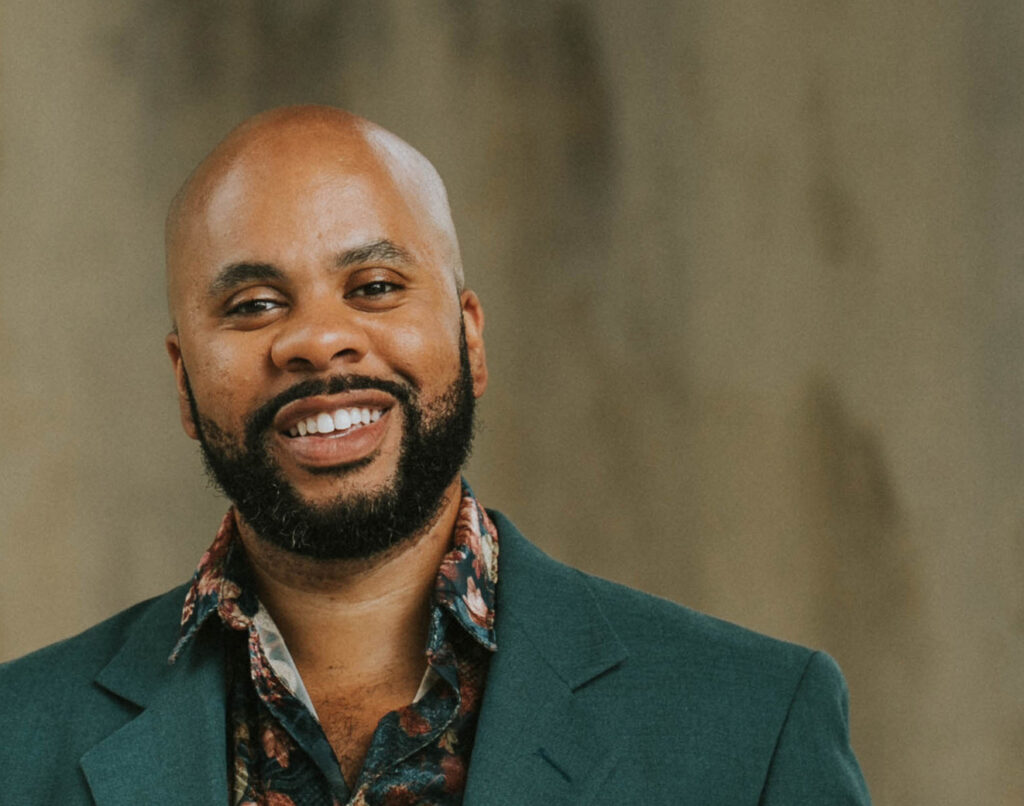
New advice from relationship columnist Eric Thomas is igniting conversations across social media. Readers are grappling with whether it’s appropriate to ask for uneaten food from tables in restaurants, sparking a debate on food waste and personal boundaries.
In a recent column, a reader posed the question, “Can I take their leftovers?” highlighting the dilemma many face when witnessing food waste at eateries. Thomas emphasized that while the desire to reduce waste is commendable, patrons should be aware of potential legal liabilities faced by restaurants. He suggested that directly asking fellow diners about leftovers might be awkward but could be addressed by expressing concern over food waste.
“Simply telling people that you’re trying to prevent food waste and would like to take their food home may be the best path,” Thomas advised. He also pointed to resources like Food Waste Prevention Week for broader community engagement in addressing this issue.
Meanwhile, another reader shared a deeply personal story about navigating strained familial ties following the death of a loved one. After receiving an insensitive email from her sister-in-law, Tanya, she expressed frustration over the emotional toll it has taken on her during a challenging time. Thomas reassured her that while open communication might seem ideal, it could be counterproductive given Tanya’s apparent insensitivity.
For those facing similar challenges, Thomas suggested strategies for minimizing uncomfortable interactions at family gatherings. “Choose seats farthest from her to avoid conversation, or focus on engaging with other family members instead,” he recommended.
Additionally, a humorous suggestion from a 73-year-old reader regarding medical complaints resonated with many, sparking laughter and camaraderie in what Thomas dubbed the “Organ Recital.” This approach offers a light-hearted way to manage conversations that can often become too focused on ailments.
As these conversations unfold, readers are encouraged to reflect on their own relationships and the societal implications of food waste.
What’s next? As families prepare for upcoming gatherings, expect more discussions around these pressing issues. Will the movement towards reducing food waste gain traction? How will family dynamics evolve in the face of personal loss?
Stay tuned for more updates and insights as these urgent topics continue to develop.