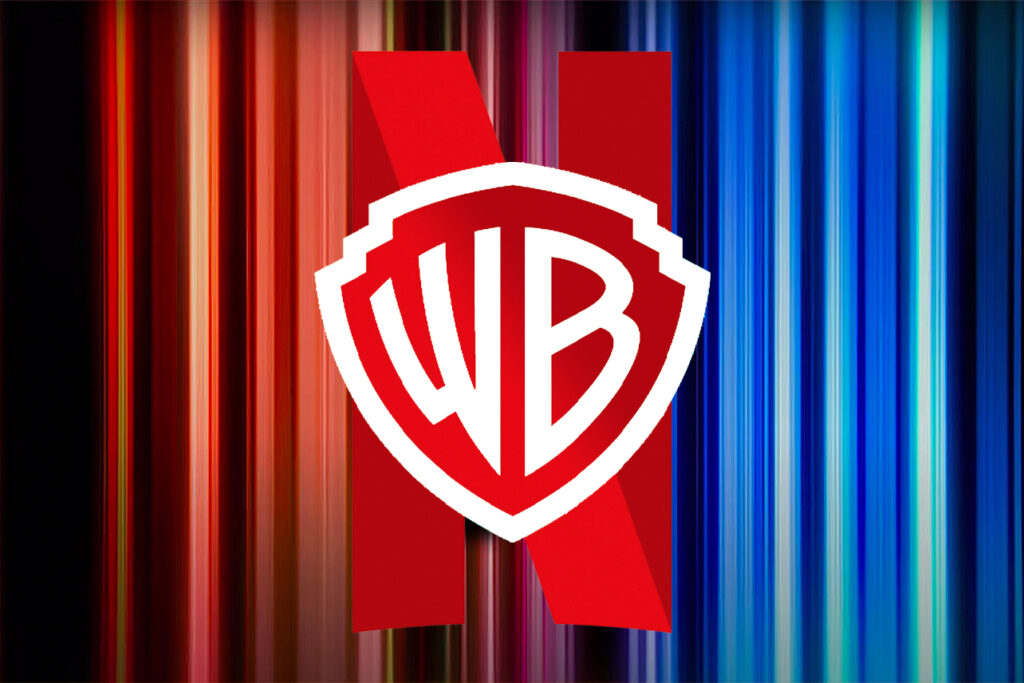
BREAKING: Netflix has announced a bold move to acquire Warner Bros. as part of a strategic deal expected to be finalized by 2026. This acquisition includes the iconic movie and TV studios along with HBO, while TV networks will remain under the Discovery banner. As regulatory hurdles loom, the industry watches closely to see how this landmark merger will reshape Hollywood and impact viewers globally.
This deal is poised to transform the entertainment landscape, with Netflix asserting it will enhance content offerings for consumers. “We are in the storytelling business!” declared Netflix co-CEO Ted Sarandos during a recent conference call, emphasizing the potential for new and diverse narratives. However, industry analysts suggest that the acquisition may signal a shift towards Netflix’s model, prioritizing streaming over traditional theatrical releases.
Currently, Warner Bros. is known for its extensive theatrical releases, but Netflix’s vision raises questions about the future of cinema. With Netflix planning 30 theatrical releases for 2025, it becomes evident that the streaming giant is keen to redefine how films are distributed. Sarandos hinted at evolving release windows, stating, “We expect to meet the audience where they are quicker,” potentially shortening the time between theatrical debuts and streaming availability.
The implications for the audience are significant. Viewers currently subscribe to HBO Max and Netflix separately, which costs around $35 a month. There are speculations that a merger could lead to bundling options or even a unified service, offering potential savings for consumers. However, this could also result in higher subscription fees as Netflix seeks to capitalize on its expanded content library.
Warner Bros. has enjoyed tremendous success lately, with hits like Barbie and multiple franchises, from Godzilla/Kong to Dune. Yet, the acquisition raises concerns about the fate of these beloved franchises and whether they will maintain their cinematic identity under Netflix’s umbrella.
As this deal progresses, viewers are left wondering about the future of HBO Max. Will it remain a standalone service, or will it be absorbed into Netflix, altering the streaming landscape? The Hollywood Reporter suggests that the combined libraries could provide Netflix members with an even richer selection of high-quality titles, but this raises further questions about subscription pricing.
Moreover, industry insiders speculate on the potential impact on theatrical releases. Netflix’s acquisition might lead to a more robust theatrical strategy for Warner Bros., which could benefit filmmakers seeking traditional releases. However, there are concerns whether Netflix will prioritize theatrical revenue over its streaming-first approach.
As this urgent story develops, consumers will need to stay informed about how this acquisition will impact their viewing options and costs. The entertainment industry is on the brink of a significant transformation, and the ripple effects of this merger could redefine how audiences engage with film and television for years to come.
Stay tuned for more updates on this evolving story as Netflix and Warner Bros. navigate the complexities of this acquisition.