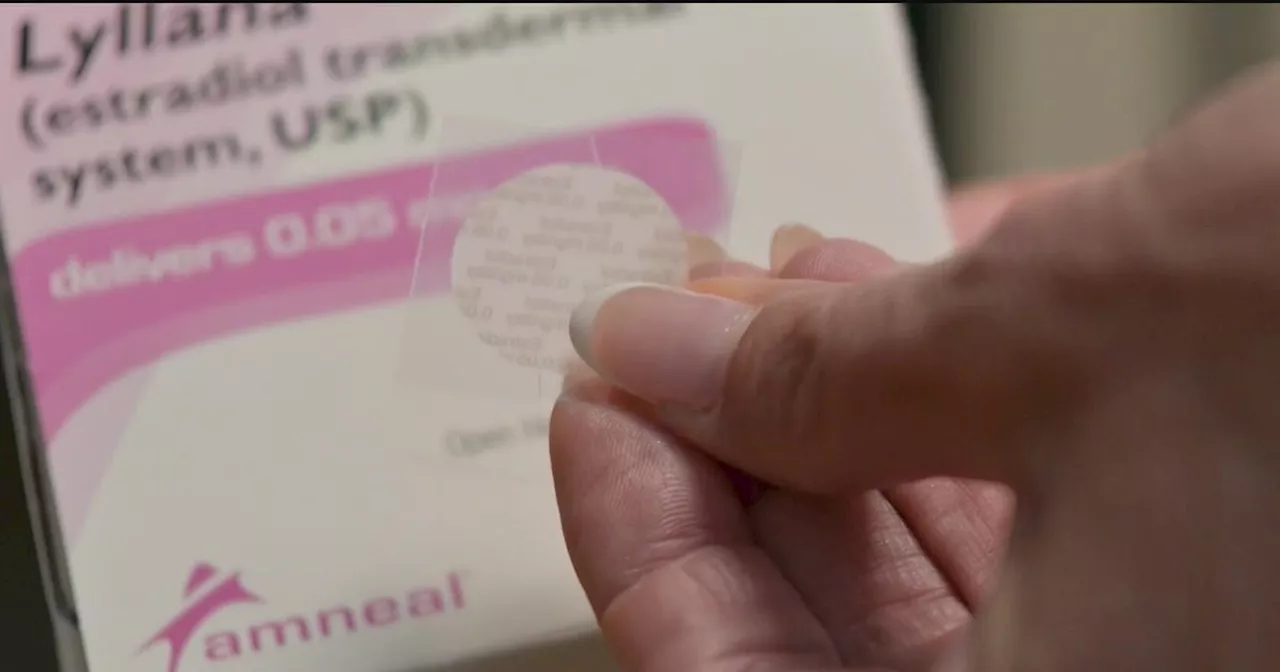
A significant shortage of estrogen patches has emerged across the United States, impacting many women seeking hormone replacement therapy (HRT) to alleviate symptoms of perimenopause and menopause. This surge in demand is attributed to increased awareness and recent changes from the U.S. Food and Drug Administration (FDA), yet ongoing supply chain issues and limited insurance coverage for alternatives complicate the situation further.
According to a study by Epic Research, the number of women using hormone replacement therapy has risen by 72% since 2021. Manufacturers of estradiol patches are struggling to meet this demand, resulting in noticeable shortages at pharmacies nationwide. Many women, like Martie Jo Pennisi from Glendale, have experienced firsthand the frustration of seeking these crucial medications.
Pennisi began experiencing severe menopause symptoms in October 2020. Describing her struggles, she stated, “I was kind of crawling out of my skin and really the symptoms came on like gangbusters. I had everything in the book.” After a friend recommended HRT, she started using an estradiol patch alongside a progesterone pill in the spring of last year, which provided her with immediate relief.
However, when she went to refill her prescription last month, her pharmacy informed her that the estradiol patch was unavailable. “I contacted multiple pharmacies across the county, but none had the estradiol patch in stock,” Pennisi lamented.
The shortage has drawn attention from medical professionals as well. Dr. Jessica Shepherd, a menopause expert, noted that while the increase in demand is positive, it also highlights significant supply chain challenges. “The good news is that means that more women are asking for estradiol in the form of a patch. So that’s great news. The bad news is that we see a supply chain issue, and this is not just one particular pharmacy; this really is across the board,” she explained.
In April 2023, the FDA removed the boxed warning from certain hormone therapies, leading to a rise in prescriptions as more women become aware of their options for managing menopause symptoms. Many women previously endured these symptoms in silence, as expressed by Pennisi, who noted that her family had not openly discussed menopause.
During the ongoing shortage, Dr. Shepherd advises patients to consult with their healthcare providers about alternative forms of estradiol, which may include creams, gels, pills, or pellets. “There’s no difference in how it works,” she stated, adding that individual responses may vary.
Despite the difficulties, Pennisi was able to find a weekly estradiol patch instead of her usual twice-weekly version. While she is relieved to continue her treatment, she expressed frustration at the broader implications of the shortage. “I think if the world experienced men losing all their testosterone at once, there would be a whole different story,” she remarked.
Some women have opted to switch from generic to brand-name hormone treatments during the shortage. Unfortunately, brand-name options are often not covered by insurance, with costs reaching hundreds of dollars each month, creating an additional barrier for women seeking relief from their symptoms.
The ongoing crisis underscores a critical issue in women’s health, as the demand for effective treatments continues to rise while supply chain challenges and insurance limitations persist. As healthcare providers and patients navigate these hurdles, the hope remains that increased awareness and advocacy will lead to more sustainable solutions for women seeking hormone replacement therapy.