UPDATE: A controversial solar farm proposal in Lincolnshire is under fire as the last panels could remain in place until 2090. The Fosse Green solar farm, planned for approximately 3,000 acres around Witham St Hughs and Thorpe on the Hill, is seeking a 60-year approval period, causing deep concerns among local residents and officials.
Lincolnshire County Council has raised significant objections, warning that this project would “irreversibly transform” large parts of the county for generations. The council’s report, to be sent to the government, highlights the potential loss of farmland and adverse mental health impacts related to the extensive industrialization of this rural area.
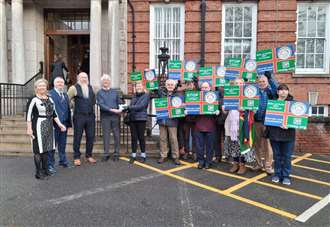
At a recent planning meeting on January 12, 2024, residents from nearby villages presented 500 letters to the Prime Minister opposing the project. Nick Lyons, chairman of Thorpe on the Hill Parish Council, stated, “It will industrialize a rural area, and would consume 51% of all land in the parish boundary.” He emphasized the project’s potential impact on local tourism, questioning, “Would you want to come to a place like that?”
The plans, submitted by Windel Energy and Recurrent Energy, include not only solar panels but also a battery farm and infrastructure leading to a new substation at Navenby. The developers claim the facility could power 110,000 homes, with construction anticipated to begin in 2031 and energy production starting in 2033.
Critics have voiced strong concerns about the long-term implications of the project. James Bean described the plans as “a blight on the landscape,” while Charlotte Vernon warned, “It will irreversibly change our local area forever; 60 years is effectively all of our lifetimes.”
Marianne Overton, a local representative, expressed that the solar farm would lead to “glass and steel concrete marching across productive farmland, swallowing our heritage.” The urgency is palpable, as the council prepares to formally address these issues with the government, which is expected to make a final decision later this year.
In contrast, Labour Councillor Neil Murray was the sole supporter of the solar initiative, asserting the necessity for renewable energy infrastructure in Lincolnshire, saying, “We all want electricity and know we need to stop using fossil fuels.”
As the debate intensifies, the future of this solar farm remains uncertain. Local residents are encouraged to express their views as the council’s report will outline strong concerns over the project’s environmental and social ramifications. The outcome of this proposal could have lasting effects on Lincolnshire’s landscape and community for generations to come.
Stay tuned for further updates on this developing story.