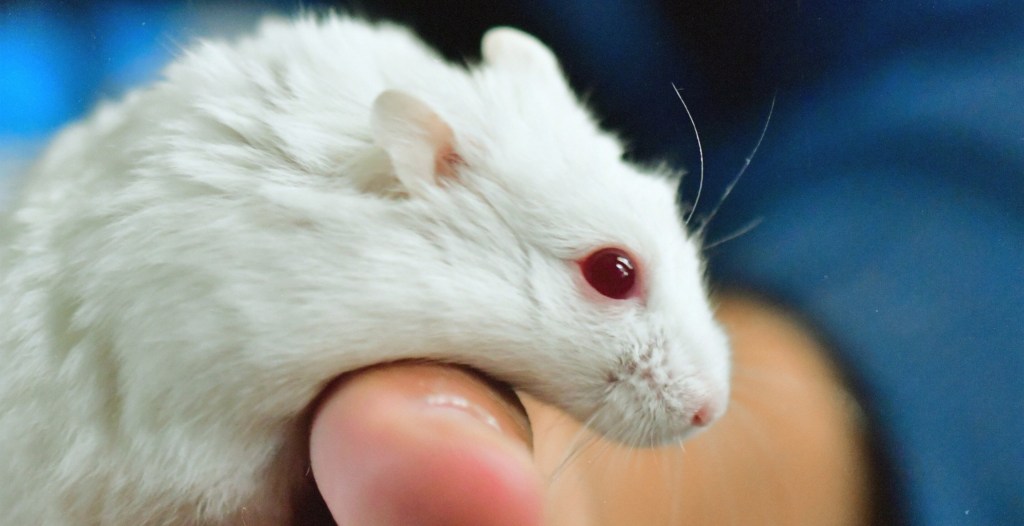
Researchers at Cornell University have made a significant discovery regarding the behavior of lab mice when exposed to a natural environment. In a novel experiment, scientists released mice that had been raised in controlled settings into a spacious outdoor enclosure. This simple yet effective approach allowed the mice to engage with their surroundings, dig, climb, and experience the outdoors for the first time.
The findings, published in the journal Current Biology, revealed that after just one week in the wild, the mice exhibited a notable reduction in anxiety behaviors. Biologist Matthew Zipple reported, “We put them in the field for a week, and they returned to their original levels of anxiety behavior.” This change occurred without any medication or prolonged intervention, highlighting the impact of environmental exposure on behavioral responses.
Understanding Anxiety in Lab Settings
To grasp the significance of this study, it is essential to understand how anxiety is typically measured in lab mice. Researchers often use a device called the elevated plus maze, which consists of a platform shaped like a plus sign, featuring two enclosed arms and two open ones. Mice typically venture into the open arms before retreating to the enclosed sections, a behavior interpreted as anxiety. Once established, these anxiety responses can be stubborn, often persisting even when treated with anti-anxiety medications.
In contrast, the mice in the outdoor environment displayed different behavior patterns. Their fear responses diminished as they navigated varied terrain and encountered new sensory experiences. Zipple elaborated, stating that living in a naturalistic setting “both blocks the formation of the initial fear response, and it can reset a fear response that’s already been developed.”
Neurobiologist Michael Sheehan further emphasized the implications of the research, drawing a relatable analogy. He noted that experiencing a wide range of situations helps individuals better assess what is genuinely threatening. Conversely, limited experiences can lead to heightened anxiety in unfamiliar situations.
Implications for Understanding Anxiety
This research invites a reconsideration of how anxiety is understood in both animals and humans. While the study should not be directly extrapolated to human behavior—given the complexity of anxiety that includes trauma, chemistry, and context—it raises important questions about the influence of laboratory settings on behavior. It suggests that some anxiety responses may stem more from limited experiences than from inherent problems within the individual.
The findings indicate that for these lab mice, relief came not from medical intervention but from the simple act of exploring a larger world. Their nervous systems benefited from the influx of new information, challenging the notion that anxiety is a fixed trait.
This study highlights the importance of environmental factors in shaping behavior, urging a reconsideration of how lab settings might influence the interpretation of animal behaviors. As researchers continue to explore these dynamics, the potential for broader applications in understanding anxiety in various contexts remains an area of keen interest.