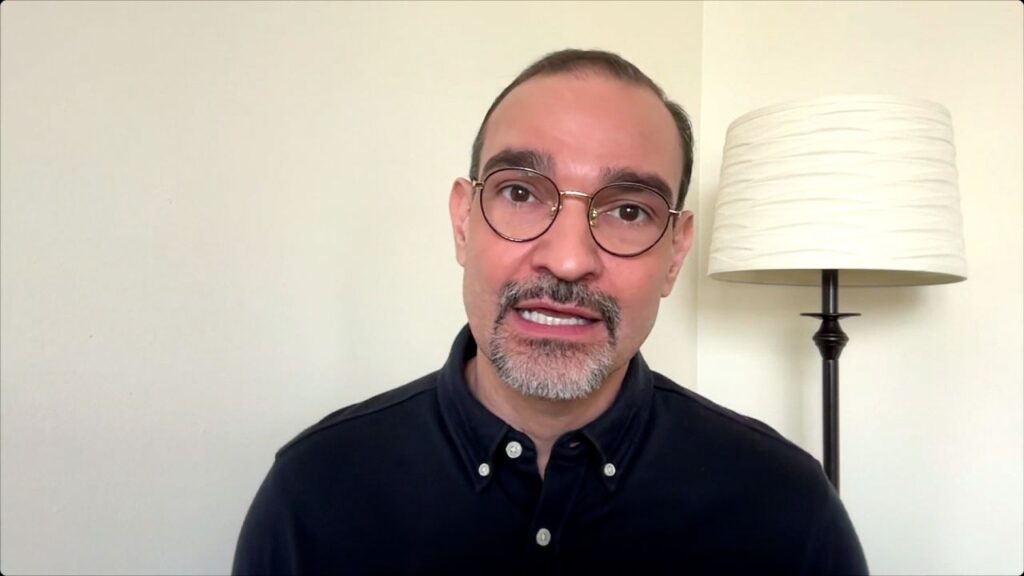
The Pentagon has ordered a temporary halt to initial training for military recruits living with HIV, prompting strong criticism from HIV/AIDS activist and Broadway actor Javier Muñoz. Speaking to CNN anchor Danny Freeman, Muñoz condemned the decision as one that conveys a message “rooted in bigotry and discrimination” against individuals with the virus.
Muñoz, who has been a vocal advocate for HIV awareness and rights, emphasized that the Pentagon’s action undermines efforts to promote inclusivity within the military. The decision affects the enlistment process for recruits who are HIV-positive, a move that, according to Muñoz, sends a harmful signal to those aspiring to serve their country.
Concerns Over Discrimination
The pause in training raises significant concerns about discrimination in military practices. Muñoz highlighted that this policy reflects outdated perceptions of HIV and reinforces stigma surrounding the virus. “This is not just a matter of policy; it has real implications for people’s lives,” he stated during the interview.
The implications of this decision extend beyond recruitment numbers. Muñoz pointed out that such policies could deter individuals from seeking treatment or disclosing their HIV status, fearing adverse consequences for their military careers. This undermines public health efforts aimed at managing HIV/AIDS, which have made significant strides over the past few decades.
Context and Health Implications
HIV/AIDS has been a critical public health issue for over four decades. Advances in treatment have transformed HIV from a once-deadly diagnosis into a manageable chronic condition. Current medical guidelines support the idea that individuals living with HIV can serve effectively in various capacities, provided they are receiving appropriate care.
The Pentagon’s decision comes at a time when military policies around health and inclusion are under scrutiny. The U.S. military has made progress in recent years to improve diversity and representation, yet the recent training pause indicates a regression in attitudes towards individuals living with HIV.
Muñoz’s comments resonate with a growing movement advocating for equal treatment and inclusion in all aspects of society, including the military. By addressing the systemic issues surrounding HIV, advocates like Muñoz strive to dismantle the stigma that persists in many areas of life.
The Pentagon has not provided a detailed explanation for the decision or indicated how long the pause will last. As discussions continue, the impact of this policy on recruits and the broader military community remains to be seen. Muñoz’s remarks serve as a reminder of the ongoing challenges faced by people living with HIV, emphasizing the need for continued advocacy and reform.
In conclusion, the Pentagon’s decision has sparked a vital conversation about inclusion and discrimination in military service. As society continues to evolve in its understanding of HIV/AIDS, the military’s policies must also reflect this progress to ensure that all individuals have the opportunity to serve without prejudice.