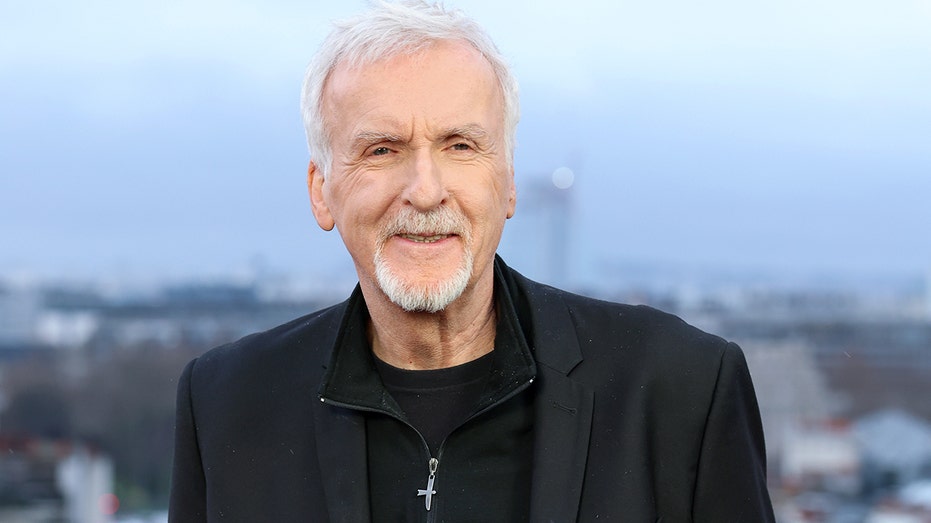
BREAKING: Hollywood director James Cameron has raised urgent concerns about the challenges of regulating artificial intelligence (AI), highlighting a critical moral dilemma in a recent interview. Speaking on December 5, 2025, Cameron emphasized that the “fundamental issue” in establishing guardrails for AI lies in humanity’s inability to agree on a universal moral code.
During an appearance on “Just Foolin’ About with Michael Biehn“, Cameron stated, “The fundamental problem is — they call it ‘alignment.’ As long as AI is aligned with human good, it won’t betray us. But the big problem is that we can’t agree on one godd— thing about what is best for human beings.” His comments come at a time when the debate over AI regulation is intensifying globally.
Cameron highlighted the complexity of morality, noting that various religions and political systems uphold different moral frameworks, making consensus nearly impossible. “By creating guardrails, we’re trying to impose morality on a conscious system that’s smarter than us,” he warned, underlining the potential dangers of misaligned AI.
As discussions around AI ethics gain traction, Cameron has shifted his perspective on AI’s role in filmmaking. Once a skeptic, he has now joined the board of directors for Stability AI. He explained that embracing AI is essential for the future of Hollywood, stating, “We have to figure out how to cut the cost of that in half.” Cameron believes that integrating AI can enhance the production process rather than replace human talent.
His evolving stance reflects a growing recognition of AI’s potential in creative industries, despite earlier fears of an AI arms race. In 2023, Cameron expressed concerns about the “weaponization of AI,” viewing it as a significant danger. Now, he advocates for thoughtful integration of AI into visual effects workflows to maintain the quality of blockbuster films.
The urgency of Cameron’s message resonates as the industry faces potential disruptions from advancements in AI technology. He stressed that understanding developers’ intentions and the resources needed for AI projects is critical for future filmmaking.
As the conversation around AI continues to unfold, Cameron’s insights serve as a stark reminder of the ethical complexities involved. His call for a united moral approach to AI regulation highlights the pressing need for dialogue among policymakers, technologists, and creatives alike. The stakes are high, and the time for action is now.
Stay tuned for further updates on this developing story as the discourse on AI ethics and regulation evolves.