UPDATE: Controversy erupts as Defense Secretary Pete Hegseth downplays the significance of American soldiers’ deaths during a press conference regarding the ongoing conflict with Iran. Just days after a deadly drone strike in Kuwait claimed the lives of six U.S. Army reservists, Hegseth suggested media coverage of these casualties constitutes mere “noise” that distracts from the military mission.
The drone attack, which occurred on October 15, 2023, killed Army reservists including Sgt. Declan Coady, 20, Sgt. 1st Class Nicole Amor, 39, and Maj. Jeffrey O’Brien, 45. Hegseth’s remarks have ignited fierce backlash, as he implied that the public should ignore the personal tragedies and focus on the overarching military goals.
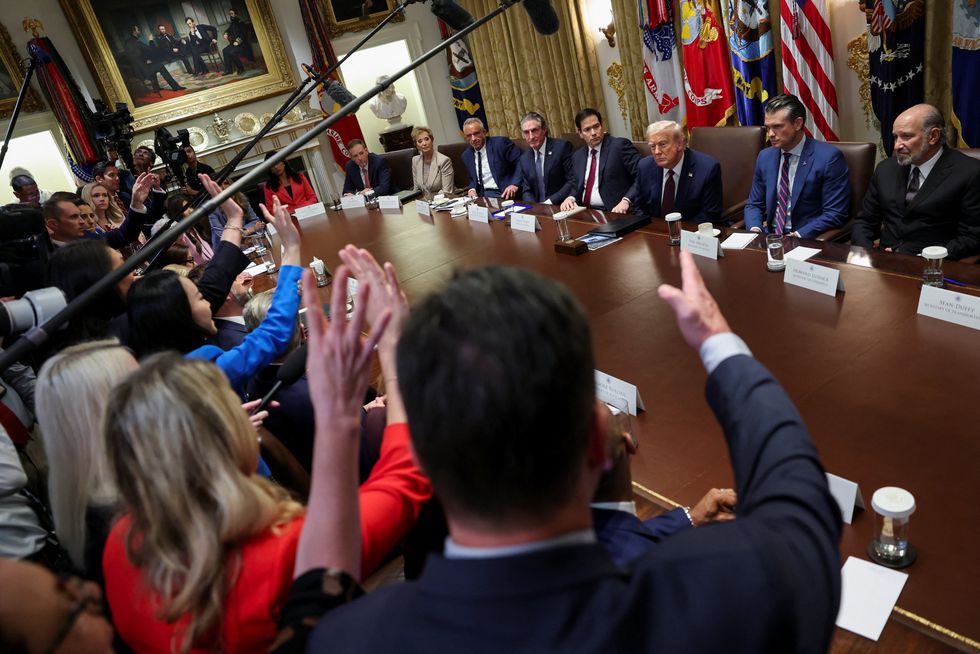
During a White House briefing, when Hegseth’s comments were relayed to Press Secretary Karoline Leavitt, she defended the administration’s stance, asserting, “The press does only want to make the president look bad. That’s a fact.” This statement has raised questions about the administration’s sensitivity towards the families affected by these tragic losses.
The implications of Hegseth’s remarks are stark: the lives lost are being framed as political liabilities rather than tragedies. The six soldiers—Coady, Amor, Capt. Cody Khork, 35, Sgt. 1st Class Noah Tietjens, 42, CW3 Robert Marzan, 54—are not just names but represent the human cost of ongoing military actions in the region.
This incident is not isolated. In January 2024, similar tragedies occurred when three American soldiers died in a drone strike in Jordan, generating significant media coverage and political outcry. Critics have pointed out the double standard in how such deaths are treated based on the current administration’s political alignment.
“Sadly, there will likely be more [casualties], before it ends,” Hegseth stated on October 15, indicating the potential for further loss as the conflict escalates. For families like that of Nicole Amor, a mother of two who was days away from returning home, this is not just a statistic; it is a profound personal tragedy.
The American press has traditionally reported on combat fatalities without bias, presenting the facts of war as part of the public record. The six soldiers who died are not mere statistics; they are individuals with families and communities who are mourning their loss.
In an era where the narrative surrounding military engagement is increasingly politicized, the need for empathetic and factual reporting is more crucial than ever. Hegseth’s comments challenge the very essence of journalistic integrity and raise ethical questions about the portrayal of military casualties in the current political landscape.
As this story develops, it remains critical to remember the human impact behind the headlines. The families of these fallen soldiers deserve recognition and respect, not dismissal as political fodder.
Stay tuned for more updates on this evolving situation as both the military and political repercussions unfold.