BREAKING: Foreigners traveling to the United States without a visa may soon be required to submit detailed social media information and family history to the Department of Homeland Security (DHS). The urgent proposal, announced on Wednesday, could significantly change the travel landscape for millions.
The new rules, published in the Federal Register, require travelers from over three dozen countries participating in the Visa Waiver Program to provide up to five years of social media accounts, as well as extensive family details, before being cleared to travel. This move follows a directive from former President Donald Trump aimed at enhancing national security screening.
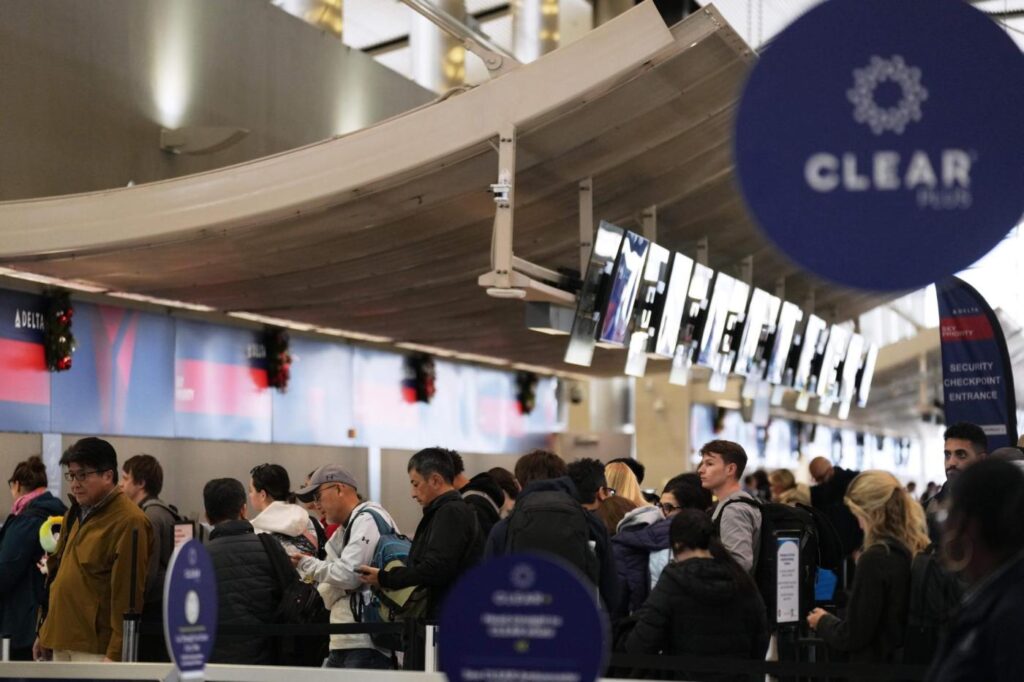
Travelers from countries eligible for the Visa Waiver Program currently avoid the visa application process, which includes in-person interviews. Instead, they can gain entry through the Electronic System for Travel Authorization (ESTA). However, this new requirement marks a significant shift in protocol as authorities seek more comprehensive data on international arrivals.
Under the proposed changes, travelers will need to disclose their email addresses from the past decade and phone numbers used in the last five years. Additional data, such as metadata from submitted photos and detailed family member information—including their birthplaces and contact numbers—will also be requested.
The public has 60 days to comment on these proposed changes. If implemented, this policy could affect citizens from approximately 40 countries, primarily in Europe and Asia, who typically travel to the U.S. for business or tourism without visas.
The announcement comes amid ongoing scrutiny regarding the administration’s enhanced monitoring of travelers, a practice that began during Trump’s presidency and continues under President Joe Biden. Currently, travelers from non-Visa Waiver countries are already required to provide their social media details, creating a two-tiered system for international entry.
Officials have not disclosed the specific purpose behind the social media requests or what kind of information they are targeting. This lack of clarity raises concerns among immigration advocates and civil rights organizations regarding potential implications for free speech and privacy rights.
The urgency of these developments can’t be understated, as they reflect a growing trend in the U.S. to tighten immigration and travel regulations. Increased monitoring is already a reality for visa applicants, who must set their social media accounts to public for scrutiny. Failure to comply can lead to visa denials based on perceived derogatory information.
As these changes unfold, the international community watches closely. Travelers are advised to prepare for possible new requirements that could impact their plans.
Stay tuned for further updates on this developing story, as the implications of these proposed regulations extend beyond travel, touching on broader issues of privacy, security, and civil liberties.