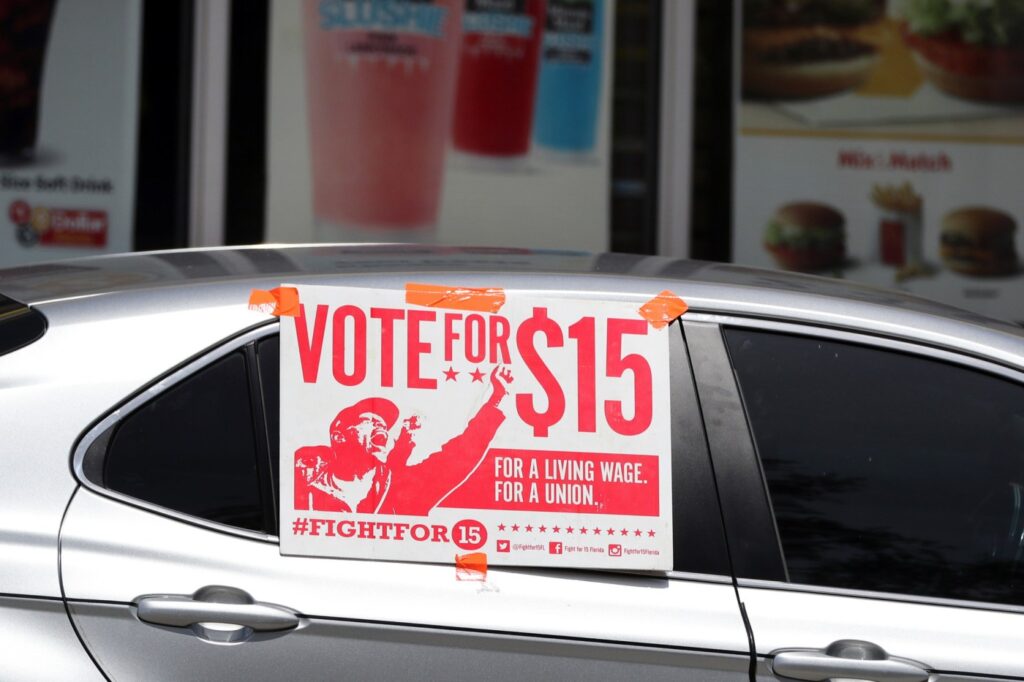
BREAKING NEWS: Florida lawmakers are moving swiftly to pass House Bill 221, which seeks to undermine the state’s minimum wage law approved by over 60% of voters. This controversial legislation is raising alarm over its implications for small businesses and workers alike, as it proposes “exceptions” to the established minimum wage, generating significant backlash.
Critics argue that this bill is a direct violation of the Florida Constitution, potentially eroding the rights granted to workers following a decisive voter mandate. James Carbone from Fort Lauderdale expressed deep concern, stating, “Republicans in the Legislature will gut it, just like they did on allowing ex-felons to vote.” The legislative session is heating up as advocates for workers rally against what they view as another attempt to sidestep public will.
In another developing story, Broward County is facing scrutiny over a proposal for a sewage wastewater sludge dryer in Pompano Beach, which aims to utilize methane from the nearby Monarch Hill dump. Commissioner Beam Furr is championing the initiative, claiming it will reduce the volume of sewage sludge, despite concerns about the potential environmental impacts and safety of the locations being considered.
The proposed sites include a hazardous waste drop-off on Powerline Road and an undeveloped area near a school on Blount Road. Community members fear this proposal could pose health risks, especially considering that studies indicate sludge may contain harmful substances, including carcinogenic PFAs and heavy metals. Tammy Lettieri from Coconut Creek questioned the wisdom of placing such a facility near schools, stating, “If Furr is such a diehard for a sludge dryer, then why not experiment with it in his own home of Hollywood?”
Furthermore, the influence of money in politics remains a pressing concern as studies reveal the alarming extent of corporate and wealthy individual contributions shaping policy decisions. Researchers Martin Gilens and Benjamin Page highlighted that the public has little sway over government actions due to the overwhelming dominance of affluent business interests. The Citizens United ruling has amplified this issue, enabling Super PACs to exert considerable influence over election outcomes.
The implications are profound: large donations, like the $4.8 million from nursing home executives to President Trump’s campaign, illustrate how financial power can translate into favorable policies that can cost taxpayers billions in lost revenue. As the political landscape evolves, the intrusion of foreign actors complicates matters further, with foreign companies potentially influencing educational policies through unrestricted donations.
As these developments unfold, Florida’s residents are urged to stay informed and engaged. The future of both the minimum wage law and local environmental safety hangs in the balance, prompting a community call to action. Next steps will include public discussions and possible protests against the sludge dryer proposal, alongside continued advocacy for protecting Florida’s hard-won labor rights.
Stay tuned for ongoing updates on these urgent issues that impact communities across Florida. Your voice matters!