URGENT UPDATE: New insights reveal that the popular advice to “just put it in Docker” may not be suitable for everyone setting up home labs. This guidance, which has dominated self-hosting discussions, could be leading users astray, particularly in mixed environments with varied hardware.
Experts emphasize that while Docker offers significant advantages, including simplified deployment and consistent environments, it introduces complexities that can hinder performance on certain devices. For instance, a Raspberry Pi Zero 2 W may struggle with Docker’s overhead, causing unexpected issues that native installations do not face.
Docker has gained traction by addressing common frustrations in self-hosting, such as dependency conflicts and inconsistent behavior across systems. However, the assumption that it is the best option for every setup is increasingly being challenged. As communities rally around Docker, the advice to use it as a default solution has become self-perpetuating, overshadowing other viable alternatives.
Key Insights:
– Docker may not be ideal for Raspberry Pi devices with limited resources, where native installations can be more efficient.
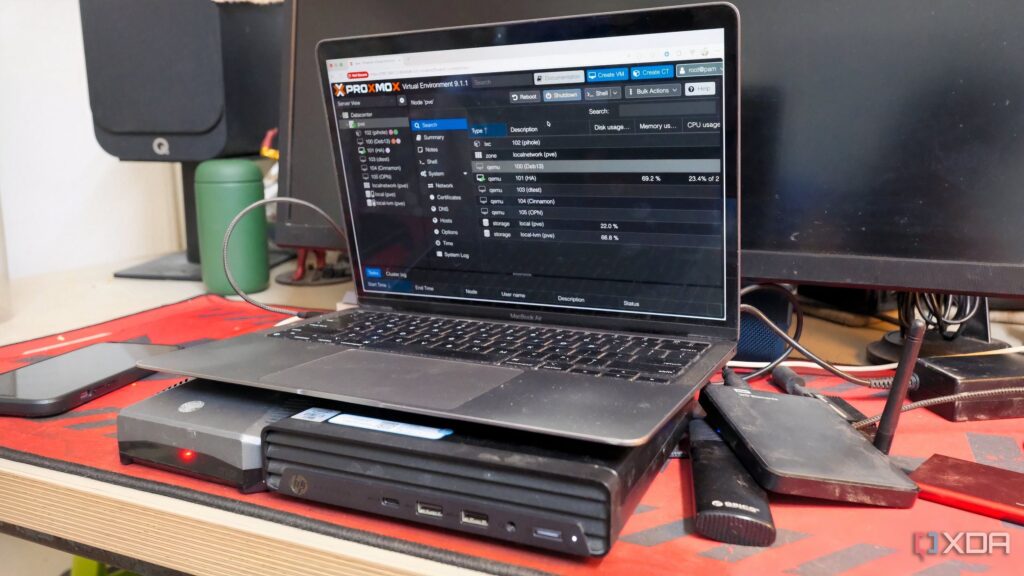
– In environments with diverse hardware, like those incorporating multiple mini PCs and Raspberry Pi boards, Docker can complicate rather than simplify deployment.
– Performance issues arise when running Docker on constrained devices, making native installs preferable for dedicated tasks such as DNS and monitoring.
The conversation is shifting as users report that Docker’s added complexity can actually reduce reliability in mixed labs. Installing services directly often proves faster and less error-prone, particularly when devices are frequently rotated or repurposed.
What’s Next: As home lab enthusiasts navigate these revelations, it’s crucial to evaluate the context of their setups. Experts recommend a selective approach to Docker, using it only when it adds clear value. The emphasis is now on adapting tools to fit specific needs rather than adhering to one-size-fits-all solutions.
The discussion around Docker is evolving rapidly, and users are encouraged to share their experiences and insights. As more individuals experiment with their setups, the community’s understanding of the best practices for home lab configurations will continue to grow.
Stay tuned for further developments as the home lab community reassesses the role of Docker in their setups. This dynamic landscape is shaping the future of self-hosting, and the implications for users could be significant.