BREAKING: The European Union has just announced a decisive move to indefinitely freeze Russian assets in Europe, preventing Hungary and Slovakia from vetoing their use to support Ukraine. This urgent measure aims to mobilize billions of euros to assist Ukraine amid ongoing conflict.
In a remarkable step taken on December 15, 2025, EU officials confirmed that the assets, estimated at around 210 billion euros ($247 billion), will remain blocked until Russia withdraws from Ukraine and compensates for the extensive damages inflicted over nearly four years of warfare. EU Council President António Costa stated, “Today we delivered on that commitment,” emphasizing the EU’s resolve to assist Ukraine financially.
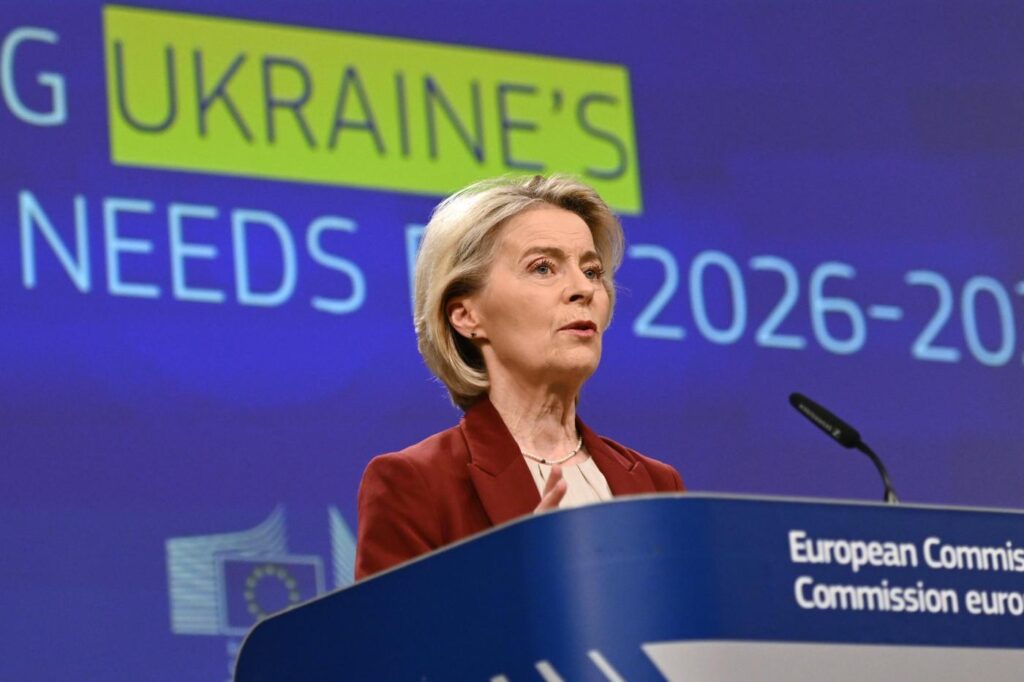
The freeze is particularly critical as it enables EU leaders to strategize at a summit scheduled for December 18 on utilizing these funds to secure a substantial loan for Ukraine’s pressing financial and military requirements over the next two years. Costa highlighted, “Next step: securing Ukraine’s financial needs for 2026–27,” indicating the EU’s commitment to long-term support.
Hungary and Slovakia, under leaders sympathetic to Russia, had previously opposed further aid to Ukraine. This latest decision effectively overrides their ability to block the sanctions renewal process, facilitating the EU’s economic and military assistance to Ukraine.
The assets, primarily held in Euroclear, a Belgian financial clearing house, were previously frozen under sanctions imposed by the EU in response to Russia’s invasion on February 24, 2022. These sanctions require unanimous approval from all 27 EU member states every six months, a process that Hungary and Slovakia aimed to obstruct.
Viktor Orbán, Hungary’s Prime Minister and a close ally of Russian President Vladimir Putin, criticized the EU’s decision, claiming it undermines the rule of law within the bloc. He stated on social media, “The rule of law in the European Union comes to an end,” expressing his intent to restore lawful order.
In a separate letter, Slovak Prime Minister Robert Fico warned against any move that could cover Ukraine’s military expenses, suggesting that using frozen Russian assets could jeopardize U.S. peace efforts aimed at reconstruction in Ukraine.
The European Commission argues that the war has inflicted severe economic consequences on the EU, contributing to rising energy prices and hampering growth, with nearly 200 billion euros ($235 billion) already allocated to support Ukraine.
Controversy surrounds these developments, as Belgium, where Euroclear is located, has expressed hesitance regarding the EU’s reparations loan plan due to potential legal and financial risks. Meanwhile, Russia’s Central Bank has filed a lawsuit against Euroclear, asserting that the asset management ban has caused significant damages and decrying the EU’s plans as “illegal and contrary to international law.”
As the situation evolves, the EU’s actions underscore its strategic pivot towards providing robust support for Ukraine, reflecting the urgency of the ongoing conflict and the pressing need for international cooperation.
Stay tuned for further updates as the December 18 summit approaches, where critical decisions regarding the future of Ukraine’s financial stability will unfold.