UPDATE: The Dutch Gambling Authority (KSA) has just announced a significant internal restructuring set to take effect on January 1, 2026. This urgent transformation aims to address the evolving challenges within the country’s gambling market, enhancing player protection and enforcement measures.
The KSA’s new governance model will centralize management, positioning the organization to better respond to the rapid changes in the gambling landscape. This critical shift comes as authorities recognize the pressing need to combat illegal gambling operations that continue to thrive despite regulatory efforts.
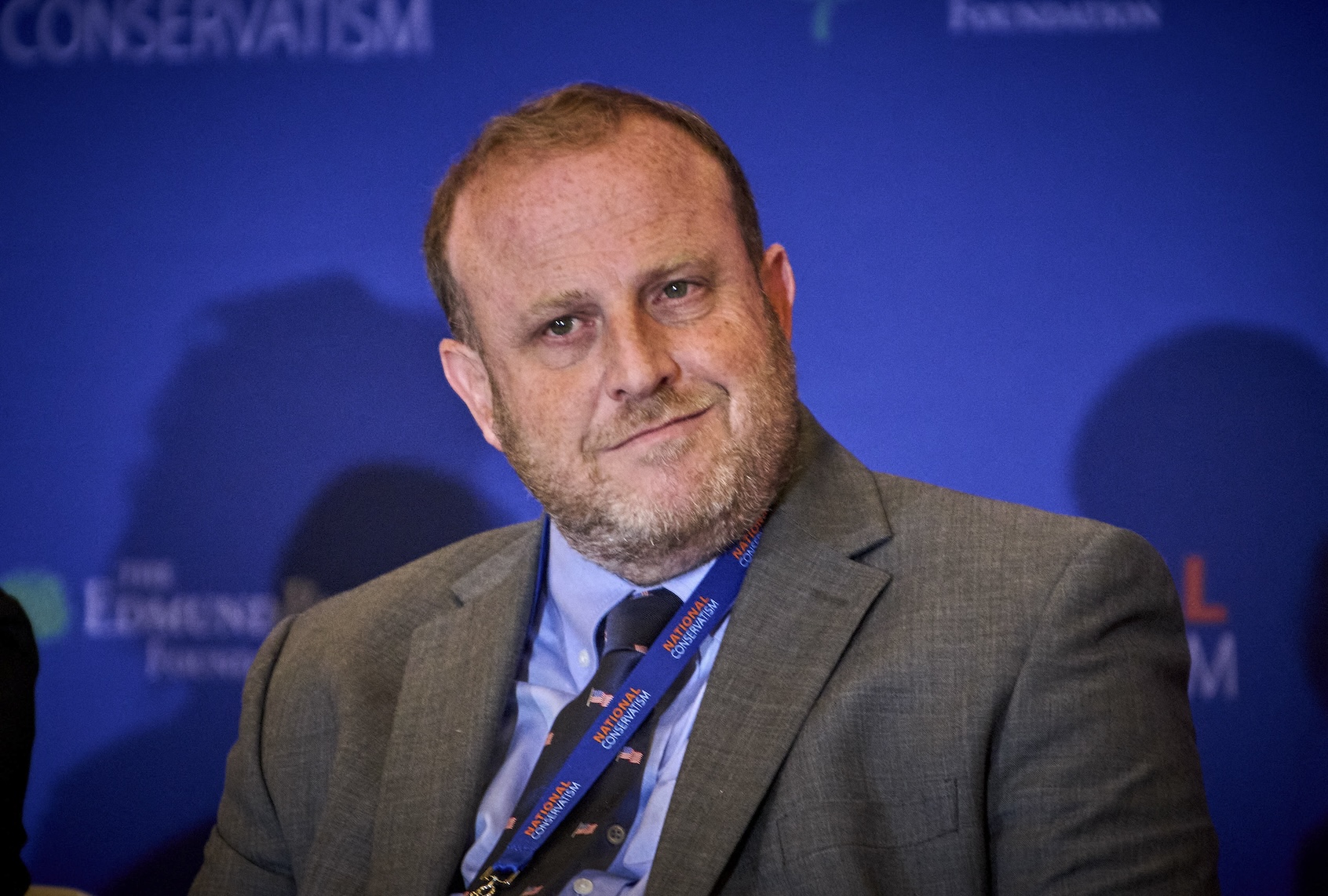
Michel Groothuizen, KSA’s chairman, confirmed that he will remain the sole full-time member of the Board of Directors during this transition. The KSA is actively recruiting two part-time board members to provide strategic guidance, with announcements expected in the coming months. Groothuizen emphasized, “This change will make the KSA a modern, agile organization that oversees a rapidly changing gambling market.”
As part of the restructuring, the KSA will consolidate its operations into three key directorates:
1. **Player Protection and Management Advice**
2. **Licenses and Supervision**
3. **Digitalization, Analysis, and Operations**
These departments will be responsible for daily management, allowing the board to concentrate on strategic governance and accountability. Directors Roos Lawant, Ella Seijsener, and Daniël Palomo van Es will lead these new directorates, marking a pivotal shift in how the KSA approaches its oversight responsibilities.
In a reflective moment, Groothuizen acknowledged the limitations of the current regulatory framework, particularly as illegal operators remain a persistent challenge. Despite the launch of a regulated online gambling market, many players are shifting to unlicensed platforms, undermining the effectiveness of regulatory efforts. The KSA’s strict player protection measures, while well-intentioned, have inadvertently driven high-spending players away from licensed operators.
Groothuizen reiterated the urgent need for international collaboration among regulators to combat the escalating trend of illegal gambling. He proposed the establishment of a Europe-wide body akin to Interpol, dedicated to tackling these issues.
This restructuring underscores that gambling regulation is evolving beyond merely issuing licenses and enforcing compliance. It is now about leveraging data, adopting digital tools, and fostering strategic cooperation. The KSA aims to remain relevant in a landscape that is increasingly influenced by technology and global market dynamics.
The impending departure of Vice-chair Bernadette van Buchem at the end of 2025 adds another layer of urgency, as her four-decade career in public service reflects a steadfast commitment to gambling regulation.
With these substantial changes on the horizon, stakeholders in the gambling industry and affected players should stay tuned for further developments. The KSA’s proactive measures indicate a commitment to modernize its approach and tackle the complexities of today’s gambling environment head-on.
This is a crucial moment for the KSA, and the implications of these changes will resonate throughout the Dutch gambling landscape as the regulator prepares for a future that demands agility, transparency, and robust player protection.