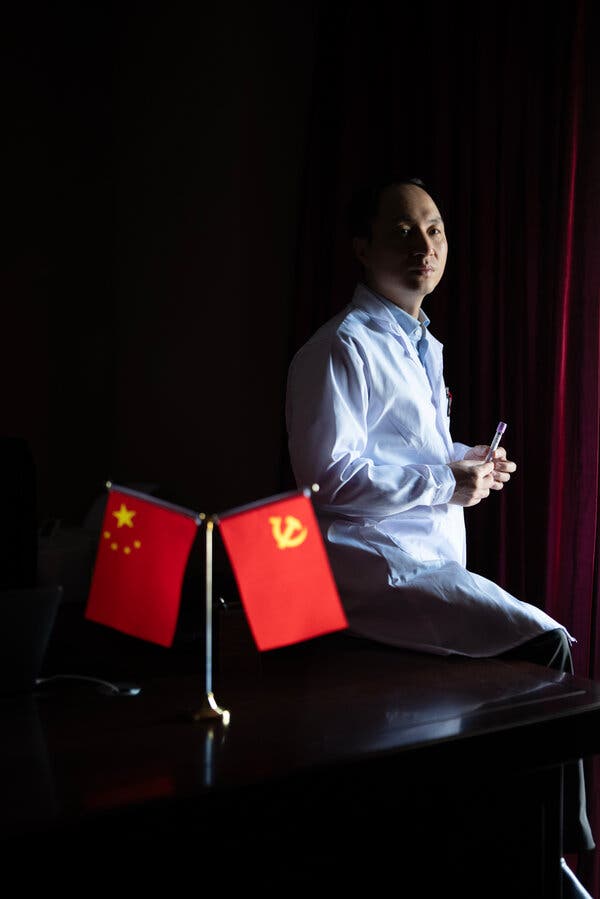
He Jiankui, the scientist who gained notoriety for creating the world’s first genetically edited babies, continues to attract attention in China, despite his controversial past. After serving a three-year prison sentence for deceiving medical authorities, He remains active in the biotechnology field, openly discussing his work from a government-supported research facility located north of Beijing.
His conviction in December 2019 marked a significant moment in the global conversation around genetic editing, raising ethical questions that reverberated worldwide. Yet, instead of fading into obscurity, He has adopted a visible role in China’s rapidly evolving biotech landscape. Although he cannot travel internationally due to a confiscated passport, He has become an outspoken advocate for genetic research, asserting that China is ready to embrace scientists who push ethical boundaries.
“China is making significant progress in technology,” stated Benjamin Hurlbut, an associate professor at the University of Arizona who has known He for years. Hurlbut noted the unusual circumstances surrounding He’s current status. “For a country that is adept at censorship and control, they are leaving him curiously unfettered. He is not seen as a liability, but is apparently seen as a potential asset.”
He’s continued presence in the public eye raises questions about the implications of his work. While he maintains that there is a growing demand for boundary-pushing researchers, the ethical considerations of his previous actions remain a topic of intense debate. Observers note that his visibility may serve a dual purpose for the Chinese government, showcasing both scientific innovation and a willingness to confront Western criticism regarding ethical standards in research.
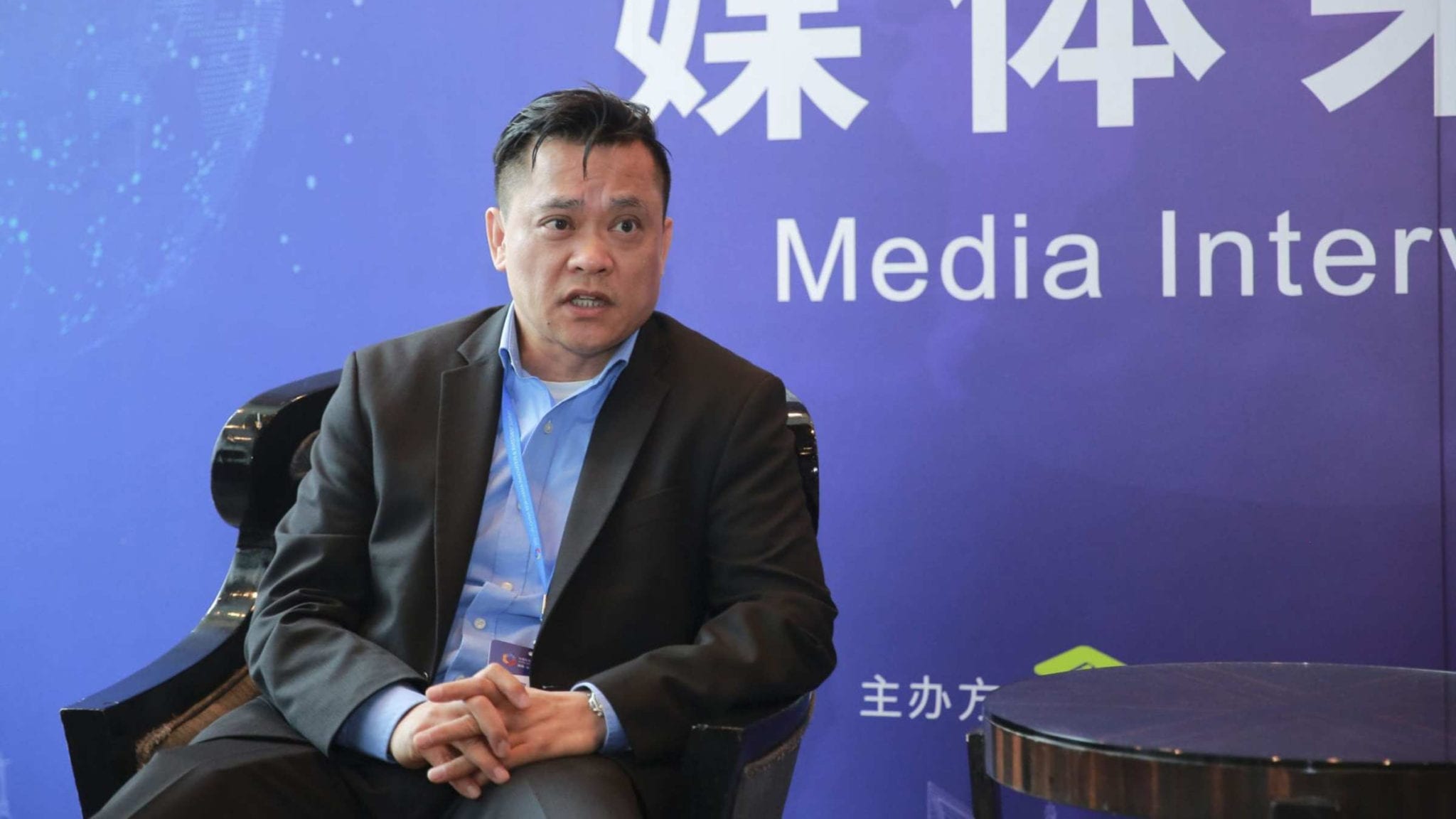
In an interview conducted in his expansive apartment, which he is provided along with a bodyguard by an undisclosed financial sponsor, He expressed confidence in the direction of his work. He emphasized the potential benefits of genetic editing, arguing that advancements in biotechnology can address pressing global health issues.
As China positions itself as a biotechnology superpower, He Jiankui’s story embodies the complexities of scientific exploration in a politically charged environment. His case illustrates the delicate balance between innovation and ethical responsibility, a tension that is likely to shape the future of biotechnology both in China and globally.
The international response to He’s claims and the Chinese government’s backing of controversial scientific pursuits will undoubtedly influence ongoing discussions about genetic editing practices. As nations grapple with the implications of such technology, He remains a focal point in the discourse surrounding the future of biotechnology.