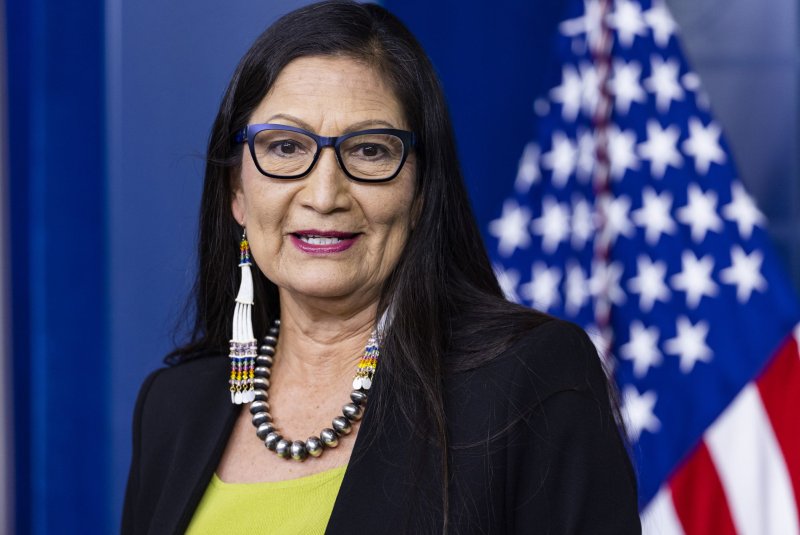
UPDATE: On March 15, 2021, the U.S. Senate confirmed Deb Haaland as the Secretary of the Interior, marking a historic milestone as she becomes the first Native American to serve in a presidential Cabinet. This groundbreaking decision, announced at 3:00 PM EST, is seen as a significant step toward representation for Native American communities at the federal level.
The confirmation of Haaland, a member of the Laguna Pueblo tribe, has immediate implications for Indigenous rights and environmental policies in the United States. With her background in both activism and politics, Haaland is poised to influence critical decisions regarding land management, climate change, and tribal affairs. This is a pivotal moment not just for the Biden administration but for the nation as it grapples with its history and responsibilities toward Indigenous peoples.
In a statement following her confirmation, Haaland expressed her commitment to uphold the trust responsibilities to Native communities and to protect the lands and resources that are integral to their cultures. She stated,
“I am honored to be confirmed as the Secretary of the Interior and to represent the voices of Tribal Nations.”
This landmark event is part of a broader narrative of progress in U.S. politics, where representation has increasingly taken center stage. The urgency surrounding her role is underscored by the ongoing climate crisis and the need for inclusive governance that reflects the diverse fabric of America.
March 15 has been a notable date in history, with various significant events occurring, including Julius Caesar’s assassination in 44 B.C. and President Lyndon Johnson’s call for voting rights in 1965. However, Haaland’s confirmation stands as a beacon of hope for many, symbolizing a shift toward inclusivity and recognition of Indigenous rights.
As Haaland steps into her new role, all eyes will be on her actions and policies as they unfold. Key areas to watch include her approach to energy policies, land conservation efforts, and the management of national parks, especially those that hold cultural significance for Native Americans.
The implications of her leadership are profound, resonating not just within the political realm but also among the millions of Native Americans who see their stories reflected in her journey. As discussions around Indigenous rights gain momentum, the urgency for effective leadership has never been more critical.
Stay tuned for further developments as Haaland embarks on this historic journey, shaping the future of the Interior Department and advocating for the rights of Indigenous communities across the nation. Her confirmation is not just a personal achievement but a collective victory for diversity and representation in American governance.