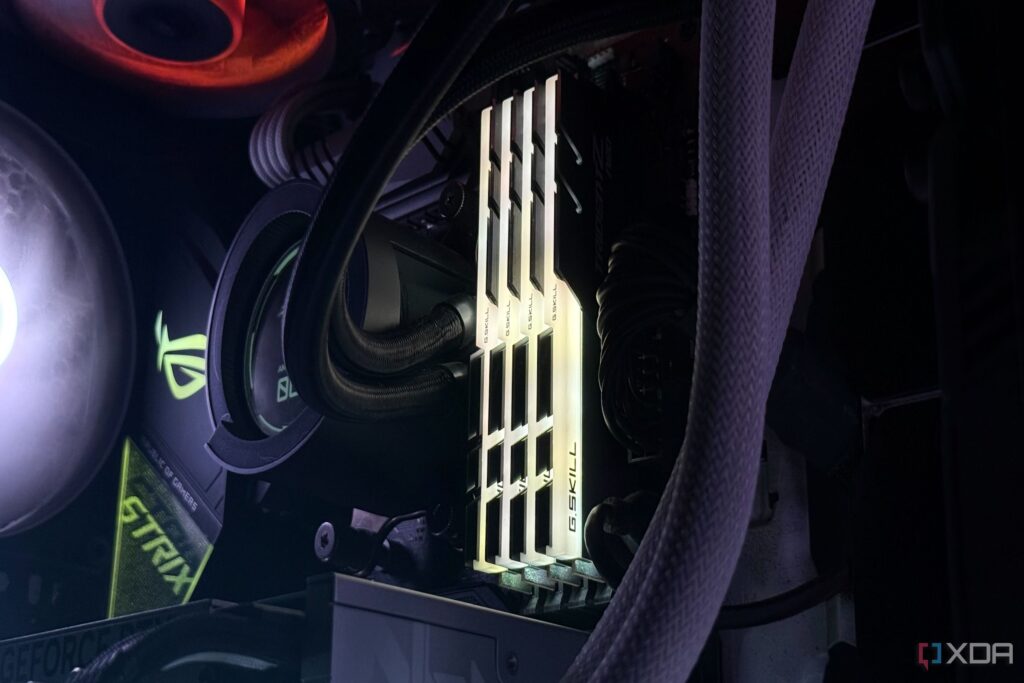
UPDATE: DDR4 RAM is experiencing a surprising resurgence as AM4 CPUs see a dramatic spike in sales. New reports from Wccftech reveal that even older Zen 2 chips have made their way into the top 10 bestsellers in the US. This unexpected trend highlights the enduring relevance of DDR4, even in the wake of newer technologies.
According to Mindfactory, a leading German hardware retailer, AM4 CPUs have captured nearly 34% of the market share, signaling a robust demand for DDR4 in European markets. The increase in DDR5 prices has contributed to this shift, but the reasons extend beyond mere economics. A decade of AM4 platform adoption has cultivated a vast consumer base, making its versatility and maturity key factors in its continued popularity.
Despite expectations for an industry-wide migration to DDR5, the first days of 2026 have shown a shift in consumer behavior. Rumors from ASUS indicate plans to ramp up production of select AM4 and LGA1700 motherboards with DDR4 support, including B550 variants. If these plans materialize, they would mark a significant change in strategy, as consumer demand has forced a mid-cycle pivot back to DDR4.
DDR4 has proven resilient as users face the financial burden of DDR5 and associated platform upgrades. AMD’s Ryzen AM4 CPUs are flying off the shelves, suggesting that consumers are voting with their wallets. This trend contradicts the narrative that DDR5 would dominate the market, as the high costs of switching platforms have deterred many from upgrading.
As DDR5 struggles to justify its price point, the AM4 platform remains a viable option for users. With a range of processors available—from budget-friendly six-core options to high-performance chips—the platform satisfies a variety of needs, including gaming, content creation, and productivity. Modern software demands do not challenge AM4 systems beyond their capabilities, particularly at 1440p and 4K resolutions, where GPU performance is the primary concern.
The vast scale of DDR4’s adoption over the past decade has solidified its position in the market. It remains the dominant memory standard, utilized across consumer and enterprise systems globally. This widespread acceptance bolsters DDR4’s resistance to obsolescence, even as newer standards emerge.
As enthusiasts transition to DDR5, the secondary market for DDR4 is thriving. Many first-time builders and budget-conscious users are opting for DDR4 systems in early 2026, driven by the inflated prices of DDR5 and the costs associated with platform upgrades. Additionally, enterprise infrastructure continues to rely on DDR4, with many data centers using Intel Xeon and early EPYC systems that depend on this memory standard.
While DDR4 shows no signs of fading away, concerns about potential artificial scarcity loom. As demand continues to rise, coupled with stagnant production capacity, the market may face challenges in meeting consumer needs. Even as enterprises refocus on DDR4 to extend server lifecycles, the economics may favor selling limited supplies to data centers rather than retail channels.
For now, DDR4 endures another year, proving its staying power amidst evolving technology landscapes. As consumers navigate the complexities of upgrading, DDR4’s resilience offers a compelling choice that continues to resonate across various sectors. Stay tuned for further updates on this developing story as the tech world reacts to these significant market shifts.