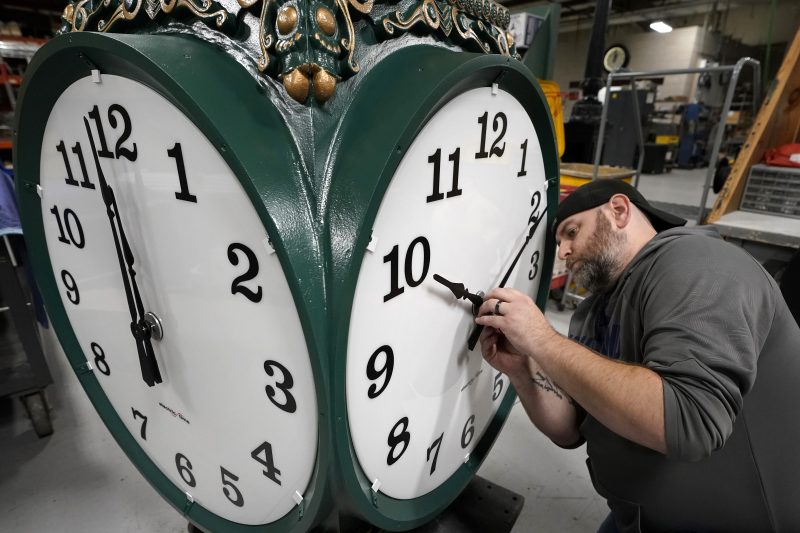
BREAKING: Daylight Saving Time officially begins today, March 10, 2024, at 2:00 AM, prompting many to adjust their clocks forward by 1 hour. This year’s transition comes amid growing discussions in the U.S. Congress about potentially making this the last time Americans will need to change their clocks.
Lawmakers are increasingly frustrated with the biannual clock changes, and the push for permanent Daylight Saving Time is gaining momentum. Senator Marco Rubio, a prominent advocate for this change, argues that the current system causes unnecessary disruption for the 2.5 billion people who adjust their schedules.
“This is not just an issue for convenience; it’s about mental health and productivity,” Rubio stated in a press conference earlier today. The senator’s remarks underscore the potential emotional toll that clock changes can have on American citizens, especially those with demanding work schedules.
The debate over Daylight Saving Time isn’t limited to the United States. The European Union has also been reconsidering its approach, with many nations expressing a desire to eliminate clock changes altogether. As of now, 48 states in the U.S. observe Daylight Saving Time, with only Arizona and Hawaii opting out.
This year’s change is particularly significant as it aligns with a broader push for legislative reforms. Lawmakers are expected to vote on a bill later this month that could establish permanent Daylight Saving Time, eliminating the need for future clock adjustments.
What happens next? If the proposed legislation passes, Americans may never again have to face the biannual clock change. This potential change could lead to a more stable daily routine for millions.
Stay tuned as this story develops, and consider how these changes impact your daily life. Will you miss adjusting your clocks, or are you ready for a permanent shift?
As public interest surges, discussions on social media are already heating up. Share your thoughts using #DaylightSavingTime and join the conversation on this timely issue.