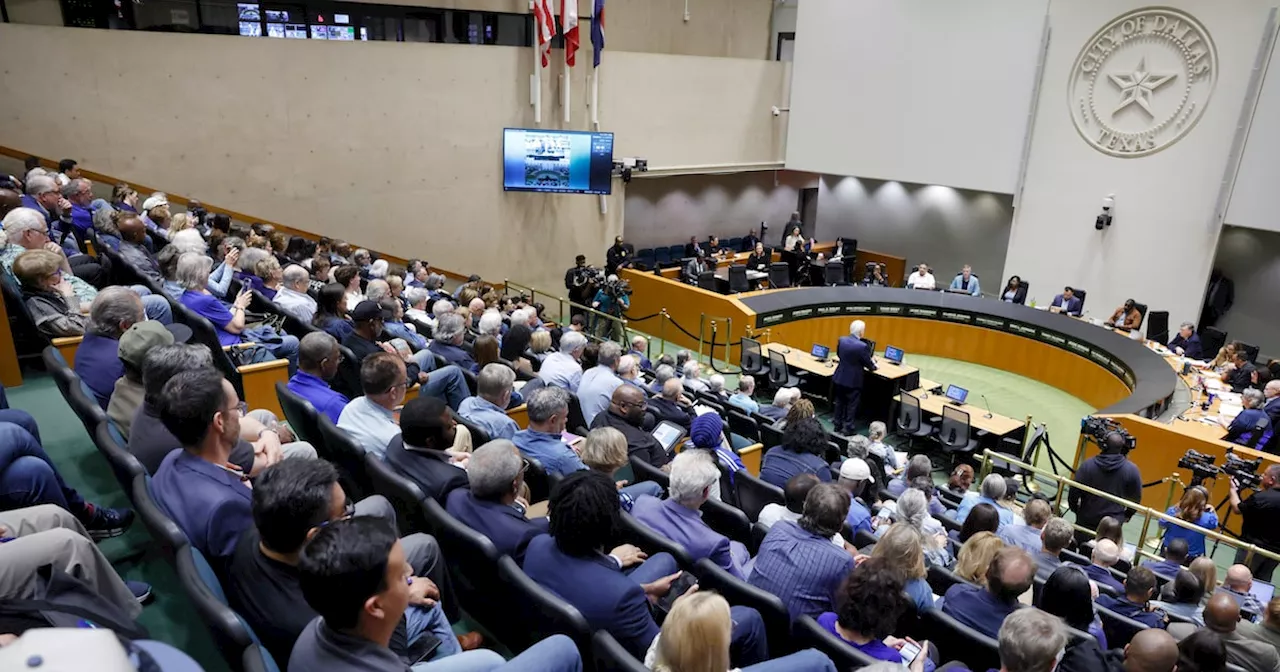
A significant debate emerged at the Economic Development Committee meeting regarding the future of Dallas City Hall on March 2, 2026. Council members and residents discussed concerns over the potential relocation of the iconic building, the involvement of the Dallas Mavericks, and the absence of a detailed financial plan. The meeting marked the first opportunity for public input since a recent assessment report was released, intensifying the dialogue surrounding the 48-year-old structure.
Attendees expressed skepticism about the speed of discussions regarding relocation or redevelopment. Many residents, numbering over two hundred, filled the council chamber, sporting ‘Save Dallas City Hall’ pins, and urged council members to reconsider any hasty decisions. The overwhelming sentiment was a desire to preserve the historic building designed by I.M. Pei rather than facilitate its relocation.
Council member Cara Mendelsohn, a strong advocate for transparency, criticized the council’s proposed vote set for Wednesday. She emphasized the need for genuine public input before any decisions are made, suggesting that a potential move of the Dallas Mavericks to Valley View might be a more prudent solution that allows the team to remain within the city.
Other council members, including Laura Cadena and Paula Blackmon, raised pertinent questions about the ongoing process. Blackmon specifically pointed out the lack of a clear financial plan, voicing concerns that the initial directives might inadvertently limit options for the city. She sought clarity, questioning whether the city was receiving straightforward answers about the implications of the proposed plans.
The Divide Between Development and Preservation
The Economic Development Committee’s findings highlighted a significant divide between downtown business leaders and developers, who view the site as ripe for redevelopment, and preservationists, including architects and concerned citizens, who argue for the building’s conservation. City staff affirmed their commitment to exploring all options while adhering to the council’s directions, underscoring the complexities of the situation.
As the discussion unfolded, the influence of the Dallas Mavericks loomed large. City officials maintained that there was no formal agreement with the team regarding redevelopment, yet the potential involvement of the Mavericks raised questions about the motivations behind the current deliberations.
The meeting served as a crucial platform for residents to express their opinions, allowing council members to probe deeper into the implications of various plans. The absence of a clear consensus and the ongoing debate surrounding the city’s relationship with the Mavericks underscored the importance of a careful and inclusive decision-making process.
As the city grapples with these pressing issues, the future of Dallas City Hall remains uncertain, with many residents advocating for a preservation strategy that honors the historical significance of the building while also considering the evolving needs of the city. The outcome of these discussions will likely have lasting implications for both the architectural landscape and the community identity of Dallas.