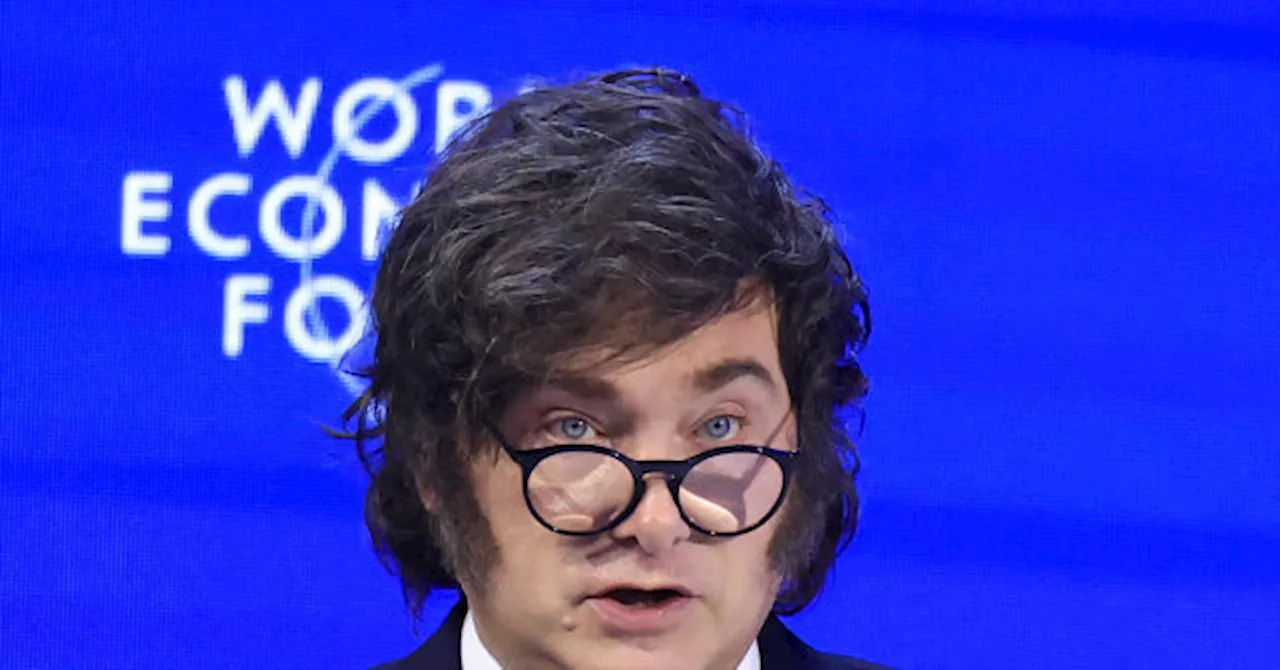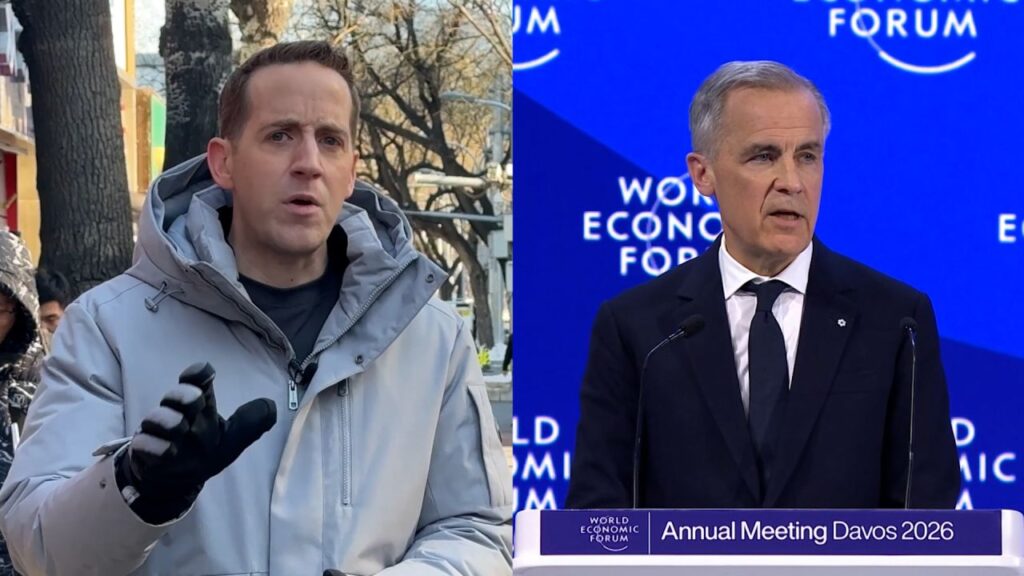
As tensions rise over trade policies, particularly with the United States considering new tariffs on European goods, China is asserting its role as a stabilizing force in the global economy. During the World Economic Forum in Davos, which commenced on January 22, 2024, Chinese leaders are actively promoting their nation as a reliable trade partner amid uncertainty in Western markets.
The backdrop to this development includes President Donald Trump‘s controversial suggestion to purchase Greenland and potential tariffs aimed at European nations. In response, Chinese officials are leveraging the platform at Davos to showcase China’s economic resilience and commitment to free trade. This shift in narrative positions China as a counterbalance to the growing protectionist sentiment in the West.
China’s Strategic Messaging at Davos
Chinese representatives are emphasizing their commitment to multilateralism and trade openness. This strategic messaging is aimed at attracting Western leaders who are increasingly wary of the shifting trade landscape. As reported by CNN correspondent Mike Valerio from Beijing, more Western political figures are recognizing the potential benefits of engaging with China, particularly as the European Union navigates its own economic challenges.
During discussions at Davos, Chinese Premier Li Qiang highlighted the importance of cooperation in addressing global economic instability. He stressed that China’s economic growth model is adaptable and resilient, capable of providing a stabilizing influence in turbulent times. The emphasis on stability resonated with many attendees who are concerned about the ramifications of the ongoing trade tensions.
In recent years, China has made concerted efforts to enhance its global trade relationships. Initiatives such as the Belt and Road Initiative have positioned China as a key player in international trade, with investments in infrastructure projects spanning across Asia, Europe, and Africa. This expansive outreach is designed to foster economic interdependence, which China argues can lead to greater stability.
Western Leaders’ Reactions
Responses from Western leaders at Davos indicate a growing openness to China’s proposals. As the European Union grapples with internal divisions and external pressures, many are considering the benefits of closer ties with China. This evolving dynamic reflects a pragmatic approach to international relations, as leaders weigh the risks of isolation against the potential rewards of engagement.
For instance, discussions surrounding trade agreements and investment opportunities highlighted in Davos have prompted leaders to reassess their positions. The notion that China could serve as a stabilizer in global trade is gaining traction, especially in light of uncertainty stemming from U.S. policies.
China’s assertive stance at Davos comes at a time when the global economic landscape is shifting. With the International Monetary Fund projecting a modest growth rate of around 3.2% for the global economy in 2024, the calls for collaboration are more urgent than ever. China’s leaders are keenly aware of this context and are strategically positioning their nation as a solution to global economic challenges.
The World Economic Forum serves as an ideal platform for China to amplify its message. By presenting itself as a dependable trade partner, China aims to solidify its influence and counteract the narrative of uncertainty propagated by U.S. policies. As the forum progresses, all eyes will be on how these discussions evolve and whether they lead to tangible agreements that could redefine international trade relations.
In conclusion, China’s assertive positioning at Davos underscores its ambition to be seen as a stabilizing force in a fragmented global economy. As Western leaders consider their responses to rising protectionism, the dialogue initiated at this high-profile event could have lasting implications for global trade dynamics.