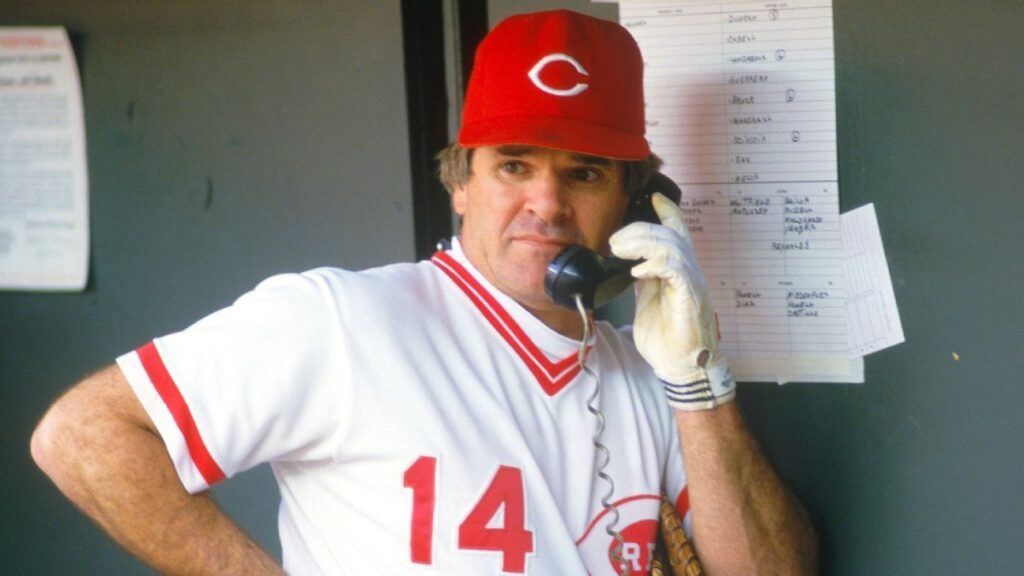
Newly released FBI documents confirm that Major League Baseball (MLB) initiated an investigation into Pete Rose in 1988, just before the widely known inquiry that led to his lifetime ban from the sport. The investigation was reportedly halted at the request of federal authorities who were probing Rose’s finances, which revealed he was deeply in debt.
The documents, disclosed in a request by ESPN, detail MLB’s early suspicions that Rose was engaging in betting on baseball games, a revelation that has significant implications for his legacy and Hall of Fame eligibility. At the time, Rose was estimated to be $300,000 to $400,000 in debt, prompting MLB to pause its investigation on April 13, 1988, to avoid interfering with federal inquiries, including those by the Internal Revenue Service (IRS).
MLB later resumed its probe, hiring former federal prosecutor John Dowd in February 1989. Dowd’s findings culminated in the infamous Dowd Report, which ultimately led to Rose’s ban in August of that year for betting on MLB games, including those involving his own team.
Despite the lifting of his ban by MLB Commissioner Rob Manfred in May 2023, following Rose’s death at the age of 83, questions linger about his Hall of Fame candidacy. The new FBI documents shed light on the timeline of MLB’s actions, revealing that the league has been investigating Rose for potential gambling ties since the 1970s, though these earlier inquiries did not result in formal charges.
The urgency of these revelations cannot be overstated. The records include details about Rose’s connections to organized crime figures and mention that while Rose was questioned about sports memorabilia, his gambling activities were under scrutiny throughout the investigation.
A memo from the FBI indicated that they had a potential witness to assist MLB, which was pivotal in moving the investigation forward. The documents are part of a larger release that includes heavily redacted records, with a significant portion dedicated to narcotics and bookmaking operations related to Rose’s alleged bookmaker, Ronald Peters.
The implications for Rose’s legacy are profound. As it currently stands, the earliest consideration for his Hall of Fame candidacy could occur in 2027 when he may be eligible for review by the Classic Era Committee. This committee will assess candidates based on their integrity, sportsmanship, and character, making Rose’s path to Cooperstown uncertain.
As sports fans and analysts digest this emerging information, the conversation around Pete Rose’s legacy continues to evolve. With the new data from the FBI, the narrative around Rose’s gambling allegations is being rewritten, fueling debates on his rightful place in baseball history. The question remains: will the Hall of Fame honor a player with such a controversial past, even decades later?
Stay tuned for further updates as this story develops.