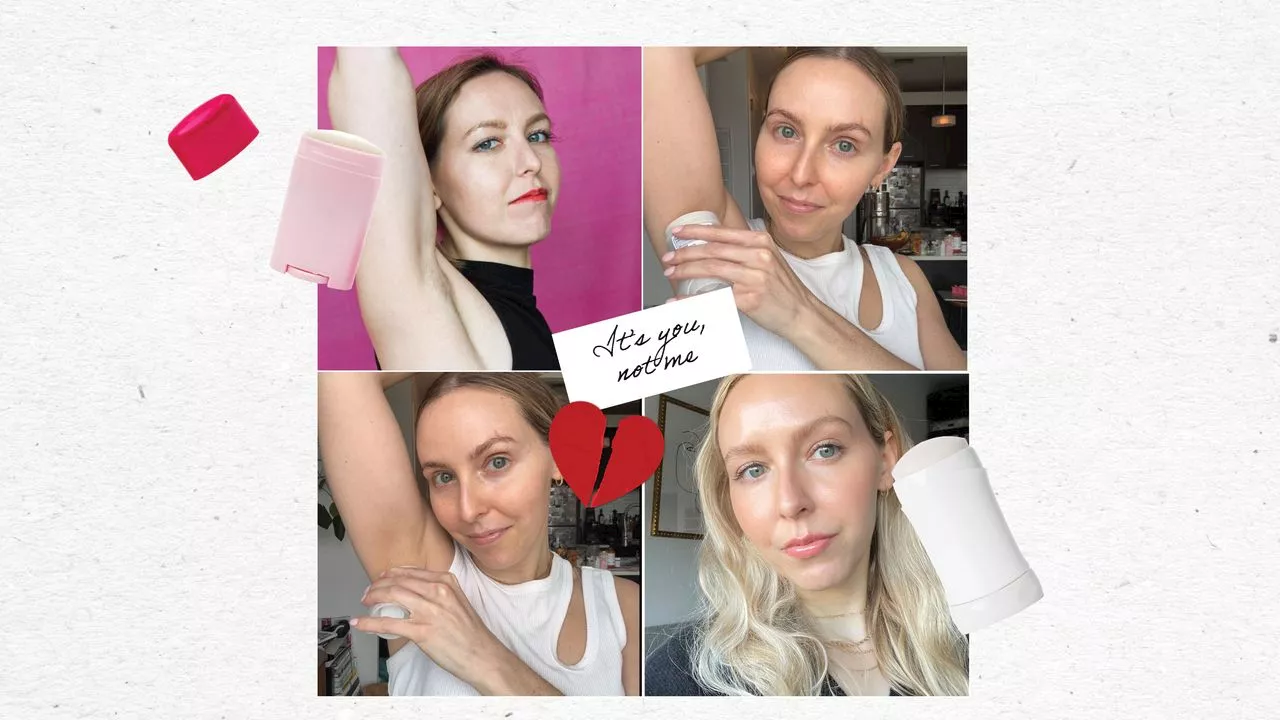
After a decade-long commitment to natural deodorants, beauty director Sarah Kinonen has decided to transition back to traditional antiperspirants. This shift follows years of dissatisfaction with the performance of natural alternatives, particularly in managing sweat and odor.
Kinonen, who began using natural deodorants during the clean beauty movement in 2016, expressed frustration with the limitations of these products. “As a sweaty person, I need stability,” she explained. “Unfortunately, over the last decade, I haven’t gotten any of that from natural deodorant.” Her decision stems from recurring issues such as sweat stains and discomfort associated with ineffective formulas.
Understanding the fundamental differences between deodorants and antiperspirants is essential. According to board-certified dermatologist Joyce Park, MD, “Deodorants help with odor, usually by reducing bacteria or masking scent. Antiperspirants actually reduce sweat, which, in turn, reduces odor because there’s less moisture for bacteria to break down.” Antiperspirants are formulated with aluminum salts, which temporarily block sweat ducts, while natural deodorants typically contain a blend of essential oils and absorbents without aluminum.
Several popular brands, including Lavanila, Schmidt’s, Native, and Kopari, emerged during the clean beauty trend, promoting aluminum-free options. As a beauty editor, Kinonen had the opportunity to explore numerous natural deodorants but ultimately found them lacking in efficacy.
Kinonen’s initial switch from antiperspirants was fueled by irritation and discomfort caused by aluminum salts. “Aluminum salts can be irritating for some people, especially right after shaving,” Park noted. Kinonen also suspected that she had developed a fragrance allergy, further complicating her experience with scented natural products.
Recent studies have debunked myths surrounding aluminum in antiperspirants, indicating no substantial evidence linking it to serious health issues such as breast cancer. “We do not have good evidence showing that aluminum-containing antiperspirants cause breast cancer,” Park stated, clarifying that the presence of aluminum in breast tissue does not equate to danger.
Despite the lack of evidence against aluminum, Kinonen found herself reverting to antiperspirants due to the significant amount of sweat she produces, especially during workouts. She noted that the sensation of moisture trickling down her torso became increasingly uncomfortable. “I don’t want to fling it onto someone else as I run and jump in my classes,” she remarked.
Another contributing factor to her decision was the inconsistency she experienced with natural deodorants. Kinonen stated that her body often seemed to adapt to the formulas, leading to odor re-emerging after a few months of use. This phenomenon, explained by cosmetic chemist Kelly Dobos, is known as microbial drift rather than physiological adaptation. “When the bacterial community changes, a deodorant that once worked well may no longer be as effective,” Dobos elaborated.
While Kinonen’s experience with natural deodorants was not entirely negative, she encountered irritation and rashes that mirrored her initial struggles with antiperspirants. “Many natural deodorants rely on essential oils and strong fragrance blends to mask odor, and those are common triggers for allergic contact dermatitis,” Park explained.
As Kinonen returns to antiperspirants, she emphasizes the importance of proper application. “Sweat glands are less active when you’re sleeping, so the product has a better chance of forming those plugs effectively,” Park advised. Kinonen plans to apply her antiperspirant at night to maximize its effectiveness.
In a world where consumers often feel compelled to choose between natural and conventional products, Kinonen’s journey highlights the complexities of personal care choices. Her story reflects a broader dialogue about the efficacy of natural versus traditional options, and the ongoing quest for solutions that align with individual needs.
As consumers navigate the evolving landscape of personal care products, Kinonen’s decision serves as a reminder that personal preferences and body chemistry play crucial roles in finding the right deodorant or antiperspirant. For now, Kinonen is looking forward to a fresh start with her trusted antiperspirant, free from the sweat stains and discomfort that had become all too familiar.