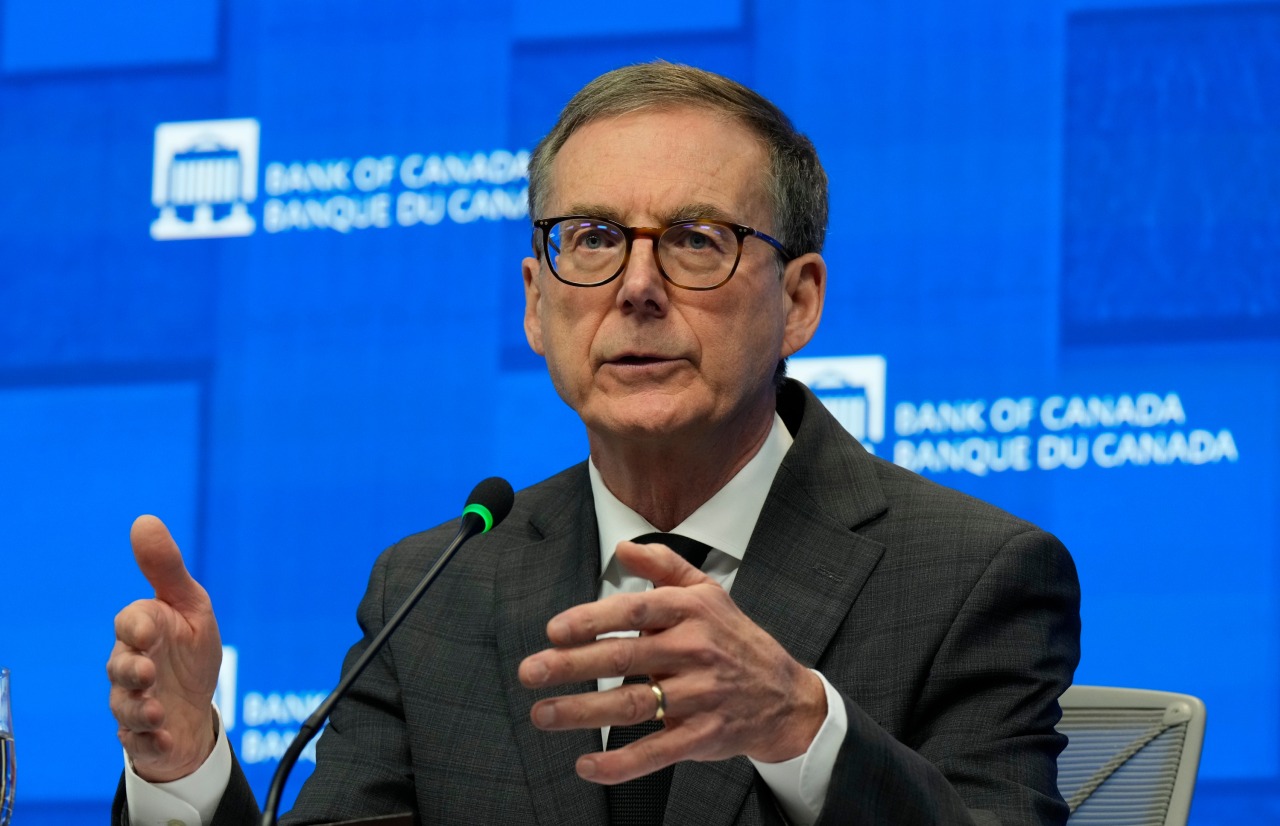
The Governor of the Bank of Canada, Tiff Macklem, issued a cautionary message regarding potential misinterpretations of the country’s economic condition. During a recent address, Macklem highlighted that rate cuts intended to stimulate the economy might not yield the desired outcomes, particularly in light of ongoing trade tensions with the United States and rapid technological advancements.
Macklem emphasized that the Canadian economy is facing unique challenges that could be exacerbated by ill-timed monetary policy. He expressed concern that lowering interest rates could lead to unintended consequences, especially if the adjustments are not aligned with current economic realities. “We must be cautious not to misdiagnose the economic situation,” he stated.
The backdrop of this warning includes a complex interplay of factors affecting both domestic and international markets. The Bank of Canada has been closely monitoring the implications of U.S. trade policies, which have introduced uncertainty into the Canadian economic landscape. As trade relationships evolve, particularly with the United States, Macklem noted that Canada must adapt its strategies to remain resilient.
In addressing the impact of technological advancements, Macklem remarked that innovation could disrupt traditional economic patterns. He pointed out that the rapid pace of change necessitates a nuanced understanding of how these developments influence various sectors. The integration of new technologies may shift productivity levels, potentially complicating the central bank’s response to economic fluctuations.
September 2023 marks a pivotal moment for Canada’s economic outlook. With inflation rates fluctuating and employment figures showing signs of variability, the Bank of Canada is tasked with navigating a delicate balance. Macklem reinforced the importance of targeted interventions rather than broad strokes that may not address the specific weaknesses in the economy.
As the central bank deliberates its next moves, the focus remains on maintaining stability while fostering growth. The potential for rate cuts must be weighed against the risk of diminishing returns. “Our approach must be informed by data and grounded in a thorough understanding of the underlying economic factors,” Macklem emphasized.
Analysts have noted that the Bank of Canada’s decisions could have far-reaching implications not only for Canada but also for its trading partners. A cautious approach to monetary policy may resonate positively across markets, as stakeholders seek clarity in an increasingly complex economic environment.
In conclusion, the Bank of Canada under Tiff Macklem is navigating a challenging landscape marked by trade tensions and technological change. The governor’s insights underscore the need for a thoughtful evaluation of economic conditions before implementing significant changes to interest rates. As Canada prepares for potential adjustments, the emphasis remains on ensuring that policy decisions are well-informed and strategically aligned with the evolving economic context.