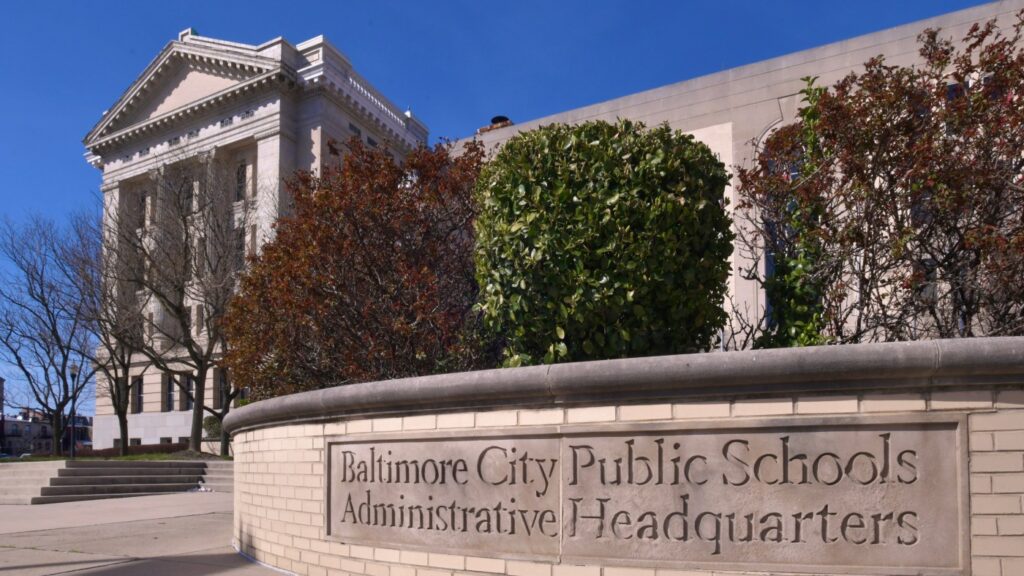
UPDATE: Baltimore City Public Schools are urgently ramping up career preparation programs to meet a wave of job opportunities in the city. As major infrastructure projects like the reconstruction of the Key Bridge and the expansion of the Frederick Douglass Tunnel promise to generate up to 30,000 jobs, the need for skilled workers has never been more critical.
Officials confirm that Baltimore is at a pivotal moment, with investments in Amtrak and a federally designated tech hub creating unprecedented career prospects. The Blueprint for Maryland’s Future aims for nearly half of graduates to earn meaningful credentials or complete registered apprenticeships by 2030. However, the urgency to prepare students is now, as these opportunities are already at our doorstep.
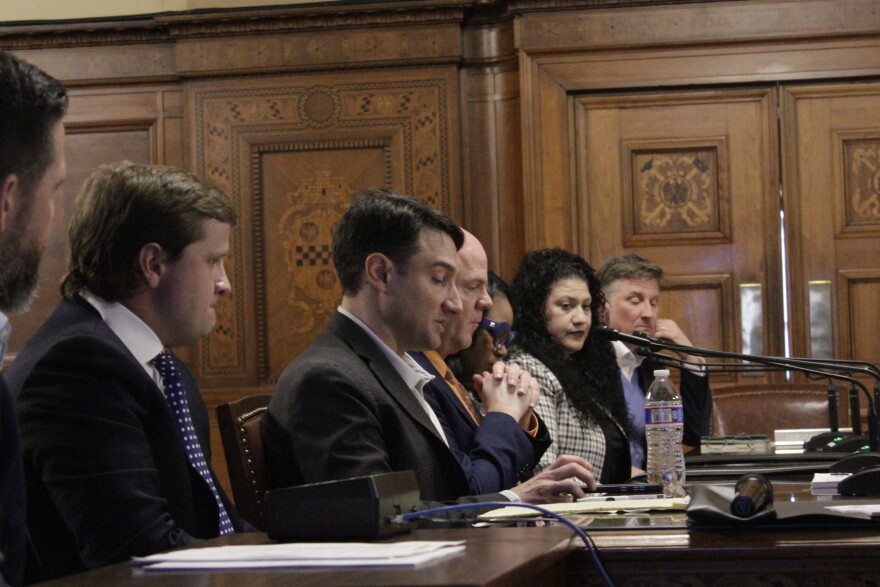
Baltimore City Schools have initiated career-exploration pilots for middle school students and are increasing the number of students earning industry-recognized credentials. Leaders such as Stan Wolfe, Eugene Chong Qui, and Shionta Somerville are committed to transforming these initiatives into actionable outcomes. Their work is crucial, but the challenge remains: can the school system keep pace with the rising demand for skilled labor?
The Baltimore City Board of School Commissioners is prioritizing career readiness and workforce alignment, ensuring that Career and Technical Education (CTE) is a core strategy rather than an afterthought. This focus has already shown measurable growth in students earning credentials and participating in youth apprenticeships across sectors like construction, IT, and healthcare.
To sustain this momentum, the city needs a surge of CTE instructors, welders, coders, and electricians to turn classrooms into training grounds for real careers. Studies indicate that effective CTE programs significantly boost student engagement and career readiness, as seen in cities like Louisville, Nashville, and Philadelphia.
Mujahid Muhammad, a member of the Baltimore City Board of School Commissioners, emphasizes the human impact of this initiative. He witnessed a student in a CTE classroom discover his purpose, realizing that the skills he was learning could lead to a tangible career. Muhammad states, “Purpose must spread across this generation, because this is the generation standing at the crossroads of today’s opportunity.”
The call to action is clear: Baltimore cannot let these job opportunities pass while students remain unprepared. The city must collaborate with industries to incorporate real-world skills into the classroom, ensuring that education aligns with the workforce’s evolving needs.
As Baltimore builds its future, the role of public education is crucial. Schools can and should be the first door of opportunity, guiding students directly into promising careers. With robust leadership and community support, this vision can become a reality, paving the way for a brighter future for Baltimore’s youth.
In this defining moment, the city stands on the brink of transformation. The future is being constructed now, and it’s vital that young people are included in that blueprint. All stakeholders, from educators to industry leaders, must unite to ensure that Baltimore’s students are not sidelined in the face of this job boom.
This is a shared responsibility, and time is of the essence. The demand for skilled workers is immediate, and the opportunities for Baltimore’s youth are waiting to be seized.