UPDATE: A growing number of older homeowners are caught in a capital gains tax trap, prompting many baby boomers to hold onto their homes instead of selling. This trend is intensifying as more retirees seek to leave their properties to children tax-free, highlighting urgent implications for the housing market.
Duane Flemming, an 81-year-old retired veterinarian from California, reveals the heart of the issue. After 41 years in a four-bedroom home, he and his wife, Chris Currie, want to downsize but are deterred by potential capital gains taxes. Flemming estimates he could face between $30,000 and $60,000 in taxes if he sells, a burden that has led him to reconsider his plans. “We don’t need it, and we would love to be able to get rid of it in an easy fashion,” he said, emphasizing the financial strain on retirees.
Since 1997, homeowners selling properties with profits exceeding $500,000 for married couples and $250,000 for singles face a federal capital gains tax, which can reach 20%. The National Association of Realtors’ 2025 report indicates that about 34% of U.S. homeowners might exceed these thresholds, up from just 3% in 2019. This significant rise is attributed to soaring home values across the nation.
Flemming’s concerns reflect a broader trend known as the “lock-in effect,” where older homeowners hesitate to sell due to high capital gains taxes, exacerbating the housing supply crisis. As a result, younger families struggle to purchase larger homes. Jim Parrott from the Urban Institute notes this phenomenon is creating a “gumming up of the market,” where the mismatch between current homeownership and desired living situations leads to ripple effects throughout the housing market.
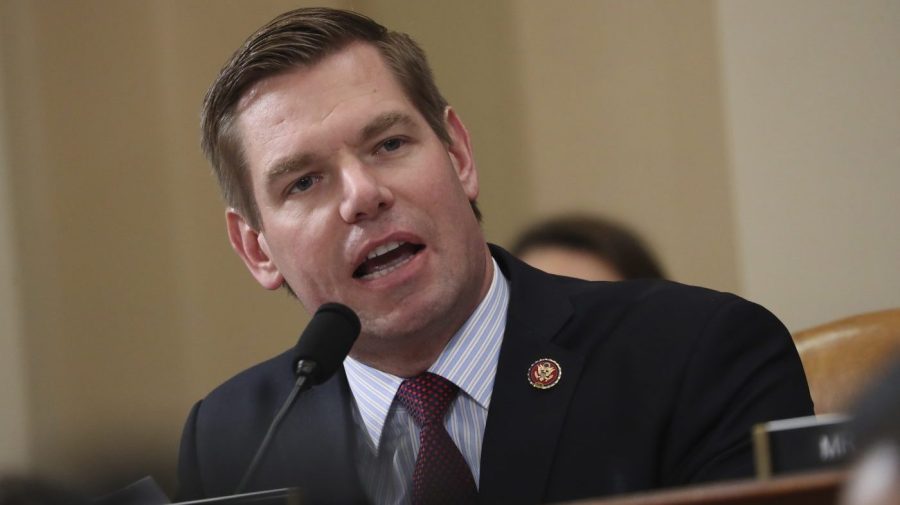
Amid these challenges, some lawmakers are advocating for reform. Representative Jimmy Panetta has introduced legislation to double the tax exclusions to $500,000 for individuals and $1 million for couples, proposing to index these figures to inflation. However, experts warn that easing capital gains taxes could disproportionately benefit wealthier individuals and might not significantly impact housing affordability.
As the debate continues, some retirees are considering alternative strategies. Patrick G., a 74-year-old retiree from Colorado, plans to potentially rent his home after his wife’s passing, allowing his children to inherit it with a stepped-up tax basis. “If it becomes inevitable that the home in Colorado is no longer feasible, then I would probably turn it over to a property manager,” he stated.
Collin Goodall, another retiree from New Jersey, grapples with similar choices. He faces the possibility of selling his home, valued at over $1.2 million more than his purchase price, while contemplating whether to rent it out instead. “I would not like to make a decision about downsizing driven by taxes,” he expressed, highlighting the emotional weight behind these financial decisions.
As more baby boomers delay selling their homes, the urgency for housing market reform becomes increasingly apparent. Experts argue that any changes to capital gains tax policy could have significant implications for both the housing market and broader economic conditions. With the ongoing conversations in Washington, how lawmakers address this issue could reshape the housing landscape in the coming years.
As the situation develops, stay tuned for further updates on this crucial topic affecting millions of American families.