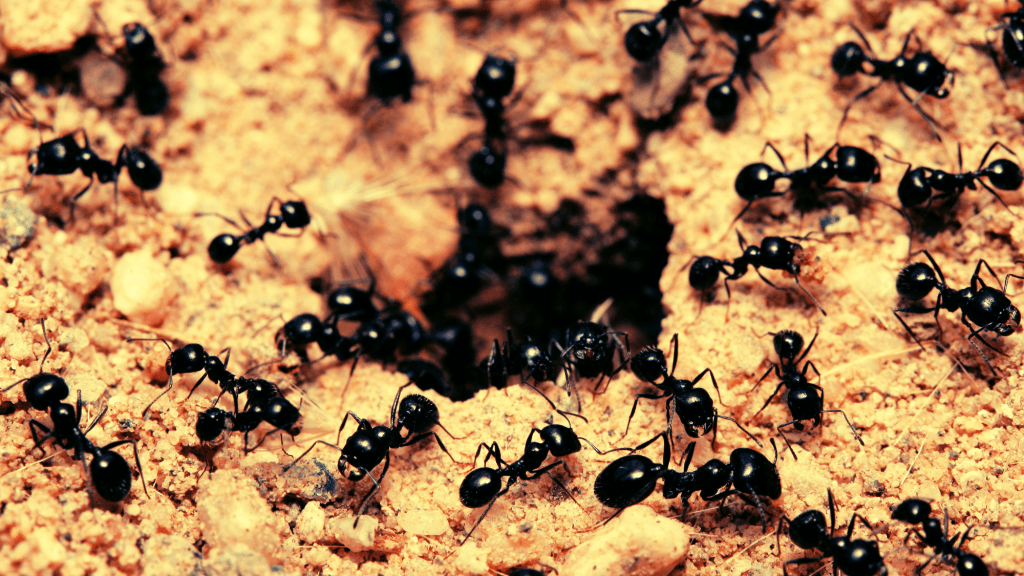
URGENT UPDATE: New research has revealed a shocking behavior in young ants: when they fall fatally ill, they actively signal older workers for death. This unsettling discovery was published in Nature Communications and led by a team at the Institute of Science and Technology Austria studying the small black garden ant, Lasius neglectus.
The study highlights how these young ants, while sealed in their cocoons, release a distinctive chemical signal indicating their dire condition. This behavior aims to maintain the health of the entire colony by prompting older workers to remove them before they pose a risk of disease transmission. “An ant colony is a perfect place for a disease outbreak,” stated Erika Dawson, a behavioral ecologist involved in the research.
Adult ants can simply leave the nest to die, but pupae, unable to move, resort to this drastic chemical plea for intervention. The experiments showed that when healthy pupae were exposed to the scent of sick ones, workers annihilated the healthy ants as well. This suggests that the chemical signal is a calculated call for removal rather than a mere byproduct of illness.
Dawson explained this behavior as both self-sacrificial and strategic, allowing the genes of the sick pupae to continue through their healthier siblings. Interestingly, queen pupae do not emit this signal; they possess stronger immune defenses and often recover from infections, negating the need for such drastic measures.
This groundbreaking study provides a stark glimpse into the complexities of ant societies, where some members willingly sacrifice themselves for the greater good. As colonies have perfected survival for over 100 million years, this behavior raises profound questions about social cooperation and individual sacrifice in the animal kingdom.
With ant colonies operating as a collective, the implications of this behavior are vast. It underlines the harsh realities of survival in nature and presents a unique perspective on how social insects manage disease outbreaks within their ranks. This research is poised to change our understanding of social behavior in insects, emphasizing the intricate balance between individual welfare and community health.
As scientists continue to explore these findings, the academic community is urged to consider the broader implications of such behaviors in other social species. The urgency of understanding these dynamics could reshape ecological studies and inform future research on disease management in social organisms.
Stay tuned for more updates as this story develops further.