URGENT UPDATE: New research has unveiled a remarkable discovery: ancient bees nested inside the bones of dead rodents over 5,000 years ago. This fascinating revelation, published in Royal Society Open Science, sheds light on the unique behavior of these bees on the island of Hispaniola, home to both the Dominican Republic and Haiti.
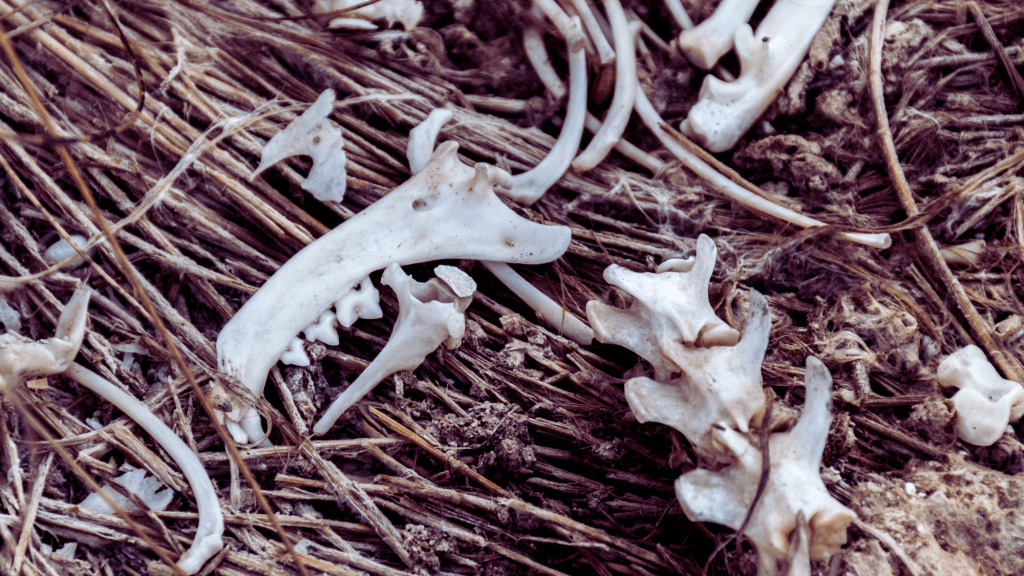
The study reveals that these bees, specifically identified as Osnidum almontei, ingeniously utilized the hollow teeth and vertebrae of rodents buried in a cave. Researchers unearthed fossils within a cave filled with the remains of hutias, stocky rodents resembling a hybrid between squirrels and beavers, alongside bones from an extinct sloth.
This extraordinary nesting behavior reflects the bees’ opportunistic nature. Instead of creating new tunnels, they took advantage of existing cavities, finding the perfect brood chambers buried within the sediment. “The cells of Osnidum almontei appear highly opportunistic, filling all bony chambers available in the sediment deposit,” researchers noted in their findings.
The bones themselves had a storied past, likely deposited by an extinct species of barn owl, Tyto ostologa, which preyed on hutias. This owl either transported the rodents into the cave or regurgitated pellets containing their bones. Over time, sediment accumulated, preserving these remains until bees moved in generations later.
One significant finding included a tooth cavity that housed six separate nests, indicating a long-term nesting site used by multiple generations. This is the first documented instance of bees nesting in preexisting fossil cavities and only the second known case of burrowing bees utilizing a cave environment.
Why did these bees choose the cave? The surrounding landscape, characterized by karst terrain, limited their nesting options, as it consists of sharp limestone devoid of natural soil. “The area we were collecting in is karst, so it’s made of sharp, edgy limestone, and it’s lost all of its natural soils,” stated study co-author Mitchell Riegler from the University of Florida.
However, the cave faced a looming threat. Shortly after the team’s final visit, plans emerged to convert the site into a septic storage facility. The lead author, Lazaro Viñola Lopez of the Field Museum, described their urgent “rescue mission” to recover as many fossils as possible. Fortunately, those plans were halted, but many fossils remain unstudied, leaving the door open for further exploration into the intriguing relationship between bees, owls, and rodents.
This groundbreaking study not only enriches our understanding of ancient ecosystems but also highlights the importance of preserving such invaluable sites for future research. As further investigations unfold, the extraordinary collaboration among these species may reveal even more secrets of the past.
Stay tuned for more updates on this astonishing discovery!