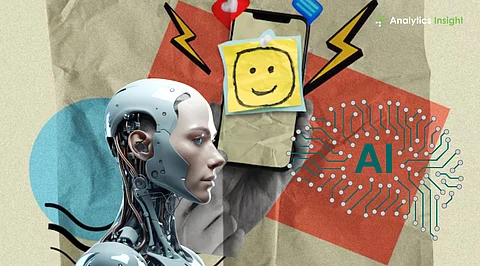
Artificial Intelligence (AI) is set to transform digital marketing by 2026, shifting the focus from traditional methods to more personalized, data-driven strategies. This evolution allows brands to understand customer behavior better, optimize campaigns in real time, and enhance overall engagement. As AI technologies advance, marketing decisions will increasingly rely on predictive intelligence rather than intuition.
The integration of AI in marketing processes has led to significant changes in how brands approach customer interactions. AI now plays a crucial role in personalization, advertising, content creation, analytics, and customer engagement. Brands leveraging AI strategically are experiencing heightened efficiency, relevance, and return on investment. With this shift, the success of marketing campaigns will depend less on sheer scale and more on agility, precision, and relevance.
Transforming Marketing with AI
The adoption of AI in digital marketing involves a sophisticated use of technology to analyze vast amounts of customer data. AI systems identify trends, predict actions, and automate decision-making processes. Unlike traditional algorithms, modern AI models continuously learn and adapt, improving their performance over time.
A key application of AI in marketing is dynamic customer segmentation. Through advanced analytics, AI categorizes users based on their actions, intentions, and previous purchases. This real-time segmentation allows marketers to target audiences more effectively, ensuring that campaigns are relevant and timely. For example, a customer browsing luxury items may quickly be assigned to a high-value segment, enabling personalized marketing initiatives almost instantaneously.
Predictive marketing is another area where AI excels. These models assess which users are likely to convert, churn, or disengage from a brand. Consequently, businesses can proactively engage potential customers with tailored offers or retention campaigns, shifting marketing from reactive to proactive strategies.
AI also underpins the personalization of websites, apps, newsletters, and advertisements. Each customer experiences customized content, enhancing interaction and satisfaction. With AI managing tasks such as bidding, scheduling, and A/B testing, marketers can concentrate on broader strategies and creative processes.
By 2026, AI is expected to serve as an essential tool for marketers, working alongside them rather than replacing their roles.
AI Tools Reshaping Marketing Strategies
AI marketing tools are now utilized throughout the entire marketing funnel, from initial ideation to optimization and performance analytics. Marketers are moving away from all-in-one platforms, opting instead for specialized tools tailored to specific functions.
Content generation tools are designed to create blog drafts, landing pages, advertisement copy, and product descriptions. These tools analyze competitor content, search intent, and engagement data to produce relevant material. While free versions provide basic functionalities, paid tools offer advanced features such as brand voice control and SEO optimization.
Design and video tools automate the creation of visual assets and video content, streamlining the design process. These tools also resize assets for various platforms, testing different variations to identify top-performing creatives.
Advertising tools harness AI for bid optimization, audience targeting, and creative selection. With budgets adjusting automatically based on predicted conversion probabilities, marketers can achieve greater efficiency without manual intervention. Data analytics tools aggregate data from various sources, offering insights that help identify performance trends and areas for improvement.
Successful marketing teams tend to use fewer tools but invest more time in training, data quality, and integration. Ensuring that AI tools connect seamlessly with Customer Relationship Management (CRM) systems and analytics platforms is critical for maintaining operational efficiency.
AI’s role in programmatic advertising further illustrates its impact on marketing. By automating the buying of ad inventory in real time, AI eliminates the need for manual negotiations. Algorithms analyze user behavior, location, device type, and engagement history to place bids instantly. Platforms like Google and Meta leverage AI to manage billions of ad auctions each day, optimizing campaigns based on audience insights and engagement metrics.
The ability to show ads to users most likely to respond enhances relevance and reduces unnecessary spending. As campaigns become increasingly data-driven, the reliance on manual optimization decreases, allowing marketers to focus on strategic oversight and creative execution.
AI also plays a significant role in content marketing. By analyzing audience questions and search trends, AI identifies high-impact topics, ensuring that content aligns with real demand. It assists teams in generating outlines, headlines, and drafts, while also optimizing for search engine visibility. This approach enables brands to maintain consistent, relevant content across platforms without adding to their workforce.
Social media marketing is another area where AI is indispensable. With its ability to analyze engagement data, AI determines optimal posting times and content strategies tailored to each platform. This functionality enhances organic reach and community engagement, allowing brands to respond swiftly to emerging trends.
Furthermore, AI has revolutionized email marketing. By personalizing every element of email communication, from subject lines to visuals, brands can deliver tailored messages to individual users. AI optimizes send times based on predicted engagement, improving open rates and reducing unnecessary email saturation.
As AI continues to evolve, its application in marketing analytics is becoming more sophisticated. AI moves beyond descriptive reporting to deliver predictive insights that inform decision-making. By unifying data from multiple sources, AI provides a comprehensive view of the customer journey, facilitating more accurate assessments of channel performance and enabling smarter budget allocation.
The successful integration of AI into marketing operations has been exemplified by major brands like Amazon and Netflix. Amazon’s recommendation engine, which analyzes browsing behavior and purchase history, significantly contributes to its revenue, while Netflix uses AI to personalize content suggestions, enhancing user engagement.
In conclusion, the future of digital marketing is increasingly intertwined with AI technology. As businesses strive to improve efficiency, relevance, and ROI, those that embrace AI will gain a competitive edge. By balancing AI capabilities with human oversight and strategic thinking, brands can navigate the complexities of the digital landscape effectively. The integration of AI into marketing strategies is not just a trend but a fundamental shift towards a more data-driven, personalized approach to customer engagement.