UPDATE: A groundbreaking shift in smart home technology is unfolding as users discover the transformative power of the $10 ESP32 board, solving long-standing issues with device reliability and automation. This low-cost microcontroller is quickly becoming a game-changer for smart home enthusiasts around the world.
Just announced, the ESP32 has emerged as a reliable alternative to mainstream smart speakers like the Apple HomePod and Amazon Echo Plus, which often struggle with interoperability. Users have reported a renewed sense of control and customization, allowing them to build personalized smart home setups without the constraints of Big Tech.
The development is significant—many users had nearly abandoned their smart homes due to frequent device failures and automation glitches. However, the introduction of the ESP32 board has rekindled their passion for smart technology, enabling them to integrate a wide array of devices and sensors seamlessly.
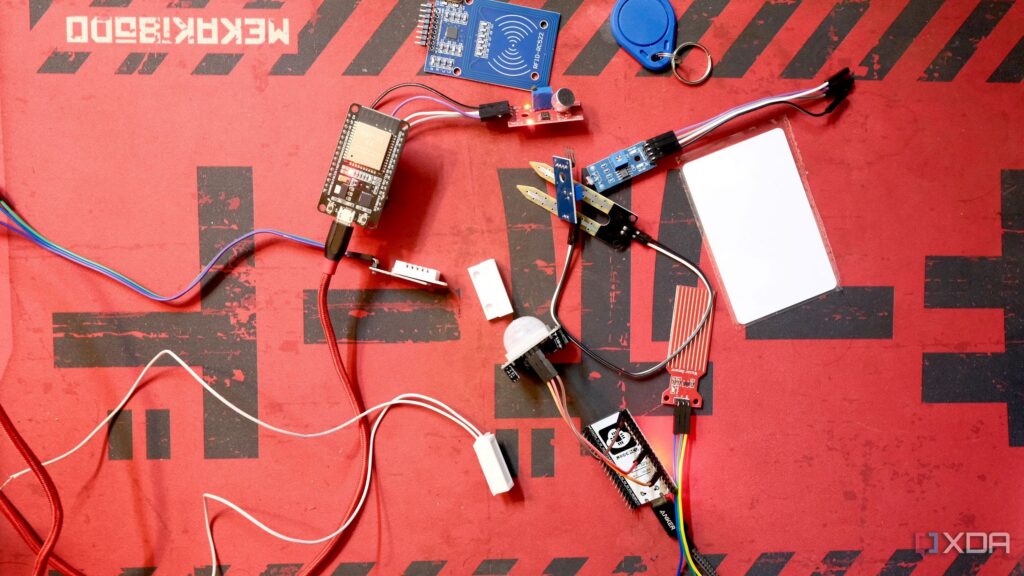
The ESP32 board, touted for its native built-in Wi-Fi and Bluetooth support, allows for wireless control of devices such as temperature sensors and motion detectors, all without needing complicated setups. Users can create their own automations from scratch, tailoring their systems to their specific needs, which is a far cry from the limitations posed by previous smart hubs.
With the support of the Home Assistant community and forums like GitHub, users have reported significant improvements in their smart home systems. One user mentioned, “Using the ESP32, I’ve automated lighting, temperature control, and even integrated older devices that previously wouldn’t work together.”
The ESP32 board is not only a hub replacement but also a cost-effective solution. Users have found that commercial sensors often cost three times more than the regular sensors they can hook up to the ESP32, making it an economical choice for enhancing smart home capabilities.
The board’s ability to bridge Bluetooth and Wi-Fi networks has been particularly praised. After installing the ESPHome firmware, users quickly integrated the ESP32 into their Home Assistant setups. This has allowed many to build innovative projects, including voice-controlled devices and Bluetooth proxies that connect previously unsupported devices to their Wi-Fi networks.
Moreover, the ESP32-H2 board has extended capabilities by supporting Thread and Matter protocols, enabling users to integrate a wider range of smart devices. This versatility positions the ESP32 as a critical component in the evolving smart home landscape.
As the trend continues to grow, the ESP32 board is changing how consumers interact with technology in their homes. Users are encouraged to share their experiences and projects, fostering a community of innovation and collaboration.
The latest developments suggest that the ESP32 board could soon become the standard for DIY smart home setups, appealing to tech-savvy homeowners and those seeking reliable, customizable solutions. With its low price point and extensive capabilities, the ESP32 is poised to revolutionize how smart homes are built and managed.
For those looking to enhance their smart homes, the time to act is now. The future of home automation is here, and it’s just a $10 ESP32 board away. Share your experiences and join the conversation as this technology continues to evolve and expand.