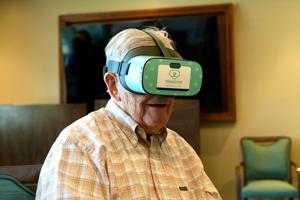
Virtual reality (VR) technology is making significant strides in enhancing social interactions among older adults living in senior communities. By utilizing immersive experiences, these residents can rekindle their sense of adventure and forge deeper connections with one another, overcoming the limitations posed by physical mobility.
Many retirement developments often serve as peaceful havens, providing comfort and security for those who can no longer travel extensively or engage in adventurous activities. However, through innovative VR programs, residents across hundreds of senior living communities are now able to rediscover their wanderlust and engage in shared experiences that stimulate both the mind and spirit.
According to research conducted by the University of Central Florida, VR technology is proving effective in helping older adults combat feelings of loneliness and isolation. The study highlights that participation in VR activities can significantly improve mental well-being, allowing seniors to explore virtual environments that replicate real-world locales. This shift not only provides entertainment but also promotes cognitive engagement and emotional connections among participants.
Exploring New Virtual Landscapes
The implementation of VR experiences in senior living facilities has seen positive feedback from residents eager to explore new landscapes and revisit cherished memories. Many communities are adopting VR platforms that offer a variety of activities, ranging from virtual travel tours to interactive games that encourage collaboration and communication. These platforms can transport users to iconic destinations such as the Eiffel Tower or the Great Barrier Reef, all from the comfort of their living rooms.
In a notable initiative, a senior living community in Florida integrated VR into its weekly programming, resulting in increased social interactions among residents. Feedback from participants indicated that they felt more connected to one another after experiencing these shared adventures, leading to deeper friendships and a more vibrant community atmosphere.
The National Institute on Aging has also recognized the potential benefits of VR in enhancing the quality of life for seniors. With the senior living industry projected to exceed $700 billion by 2026, the incorporation of advanced technologies like VR could play a crucial role in attracting new residents and improving overall satisfaction among current ones.
As communities continue to adapt to the evolving needs of their residents, the integration of VR technology presents a compelling opportunity to foster engagement and connection. This progressive approach not only addresses the challenges of aging but also highlights the importance of maintaining social ties in later life.
The Future of VR in Senior Living
Looking ahead, experts believe that the use of VR in senior living communities will expand, driven by technological advancements and a growing recognition of the importance of mental health among older adults. Future developments may include more sophisticated VR experiences that incorporate elements of physical activity and cognitive challenges, further enhancing the benefits of these programs.
With the increasing acceptance of VR as a valuable tool in senior care, communities are likely to see ongoing investment in this area. By providing opportunities for exploration and connection, VR has the potential to transform the landscape of senior living, ensuring that older adults can continue to lead fulfilling lives rich with social interactions.
In conclusion, virtual reality is not just a novel entertainment option; it is a powerful means of enhancing the lives of older adults. As technology continues to evolve, the possibilities for fostering connections and enriching experiences in senior living communities are boundless.