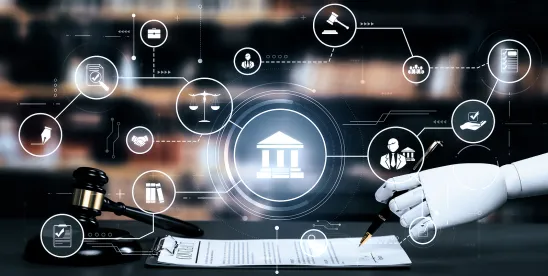
Artificial intelligence (AI) technologies have transformed content creation, allowing for rapid generation, remixing, and distribution. While this capability offers significant advantages, it introduces complex intellectual property (IP) risks that extend beyond the end user. Companies that develop, host, or deploy AI tools must navigate potential secondary liability, a concept that has evolved significantly since the landmark case of MGM Studios Inc. v. Grokster, Ltd. in December 2005.
In the Grokster case, the United States Supreme Court ruled on whether the company could be held liable for encouraging copyright infringement through its peer-to-peer software. The Court emphasized that even lawful products could lead to secondary liability if they were designed to induce infringement. This precedent raises critical questions for AI developers today, as the legal landscape continues to adapt to technological innovations.
Assessing the Risks of AI Tools
As AI tools increasingly become integrated into various products, it is essential for companies to consider how their offerings might lead to unintentional copyright violations. The focus should be on what the product encourages users to do, even indirectly. For instance, marketing materials, tutorials, and default settings can act as implicit guides. If an AI tool’s templates are found to replicate protected content closely, it could face legal challenges for encouraging infringement.
Companies must also articulate a robust narrative showcasing the lawful uses of their AI tools. The concept of “substantial non-infringing use” is vital. For example, an AI tool primarily utilized for internal functions such as drafting meeting summaries is likely to have a stronger defense than one predominantly used for rewriting articles behind paywalls.
Another key consideration involves knowledge and response. If a company receives credible warnings or complaints about infringement and fails to act, it could weaken its defense. Evidence of ongoing infringement patterns can shift the perception from ignorance to willful neglect.
Implementing Proactive Governance
To mitigate liability risks, companies should establish comprehensive governance measures throughout the AI lifecycle. This includes maintaining traceability of training data, creating policies for customer modifications involving third-party content, and monitoring output for patterns indicative of replication. Furthermore, companies must have clear protocols for handling high-risk user requests.
Aligning product features, contractual agreements, and marketing materials is equally important. Companies should ensure that their claims about AI capabilities accurately reflect the tool’s functionality. By demonstrating that they have anticipated potential risks and have made reasonable design choices to mitigate them, companies can strengthen their legal standing.
Ultimately, the landscape of AI and intellectual property law is evolving. As the use of AI tools continues to expand, companies must remain vigilant, proactive, and transparent in their operations. By doing so, they can navigate the complexities of secondary liability while harnessing the transformative potential of AI in content creation.