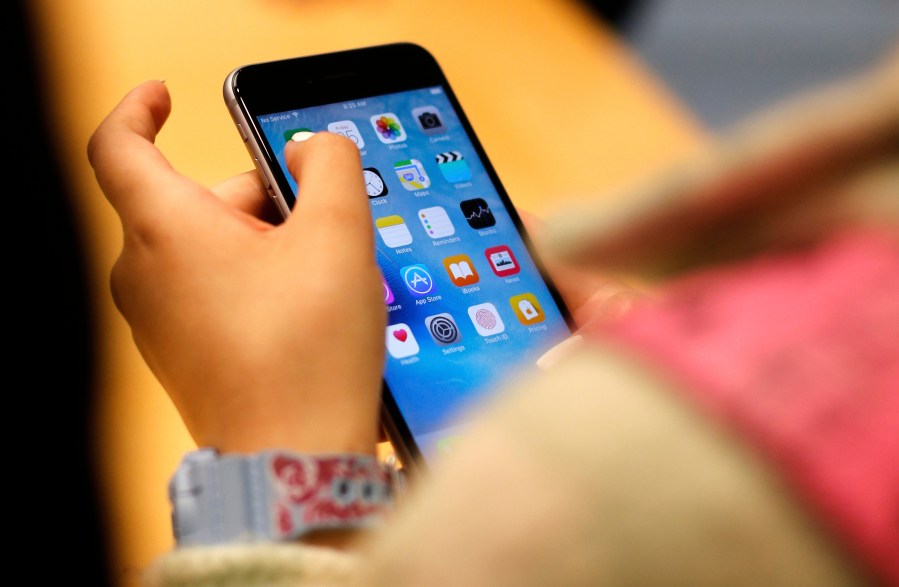
Travelers arriving in the United States may soon face new digital screening measures, as U.S. Customs and Border Protection (CBP) has proposed a rule requiring foreign visitors to disclose their social media history for the past five years. This federal proposal would impact millions of individuals from 42 countries participating in the Visa Waiver Program, significantly expanding the scrutiny applied during the entry process.
The draft rule comes amid ongoing efforts by U.S. authorities to enhance national security and ensure thorough vetting of incoming travelers. Under this new requirement, visitors would need to provide their social media account information, including usernames and handles, which would be reviewed by immigration officials upon arrival at key gateways such as the Los Angeles International Airport (LAX).
Implications for International Travelers
The proposed measure underscores a growing trend toward increased digital monitoring of individuals entering the United States. By mandating access to five years of social media information, authorities aim to identify potential security risks more effectively. This move aligns with previous initiatives that have sought to deepen the examination of travelers’ backgrounds.
Critics of the proposal express concerns regarding privacy and the implications of such extensive data collection. They argue that requiring social media histories could discourage legitimate travel and hinder tourism, which is a vital component of the U.S. economy. Travel industry representatives have raised objections, emphasizing the need for a balance between security and the preservation of individual privacy rights.
Seeking Public Feedback
In line with standard regulatory procedures, CBP is inviting public comments on the draft rule. This feedback period will allow stakeholders, including civil liberties organizations and the travel sector, to voice their opinions and concerns before the rule is finalized. The deadline for comments is set for November 30, 2023.
The potential implementation of this rule raises numerous questions about its feasibility and effectiveness. As the U.S. continues to adapt its immigration policies in response to evolving security challenges, the handling of digital information will play an increasingly significant role in the entry process for foreign travelers.
Overall, the proposal reflects a broader movement towards integrating technology into national security protocols, but also highlights the delicate balance between protecting citizens and respecting the privacy of visitors. The outcome of this initiative will be closely monitored by travelers, civil rights advocates, and policymakers alike.