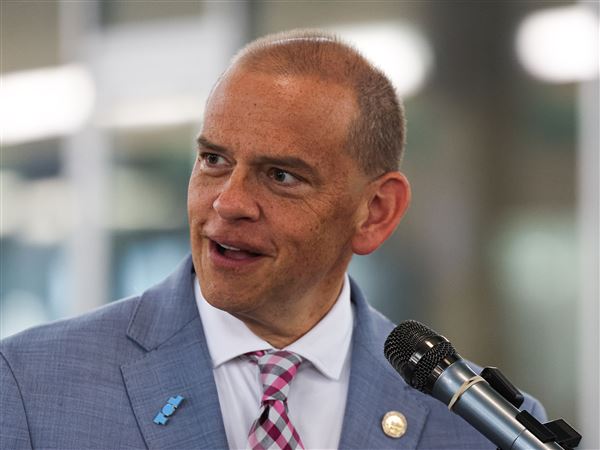
The Mayor of Toledo, Wade Kapszukiewicz, has emphasized the importance of the city’s involvement in ongoing discussions about hyperscale data centers, which are currently being deliberated outside its jurisdiction. His statement comes amid a growing trend of companies seeking to establish large-scale data facilities, which are crucial for cloud computing and data storage.
During a recent city council meeting, Kapszukiewicz expressed his concern that Toledo should not be sidelined in these discussions. He highlighted the potential economic benefits that such data centers could bring to the region, including job creation and increased revenue for local businesses. “We should be at the table, not just discussing this from the sidelines,” he stated, underscoring the need for proactive engagement in the decision-making process.
Potential Economic Impact of Data Centers
The establishment of hyperscale data centers often results in significant economic boosts for municipalities. These facilities typically require substantial investments and can create numerous jobs in both construction and ongoing operations. According to industry estimates, a single data center can inject millions into the local economy through direct and indirect spending.
As cities across the United States and internationally compete to attract these facilities, Kapszukiewicz is advocating for a strategic approach that includes city planners, local businesses, and stakeholders in the conversation. He noted that Toledo could leverage its infrastructure and location to become a competitive player in this emerging market.
“The future is digital, and we need to ensure we are part of that future,” Kapszukiewicz added. His remarks suggest a broader vision for Toledo as a hub for technology and innovation, which aligns with national trends toward increased reliance on digital services.
Next Steps for City Engagement
To facilitate this engagement, the mayor plans to convene a series of meetings with local businesses, technology experts, and economic development officials. These discussions will focus on creating a comprehensive strategy that outlines how Toledo can position itself favorably for data center investments.
Additionally, Kapszukiewicz is working with representatives from the city council to draft proposals that will be presented to potential investors. These proposals aim to highlight Toledo’s advantages, such as its existing infrastructure, skilled workforce, and commitment to sustainable development practices.
As the conversation around data centers continues to evolve, Toledo’s proactive stance may be instrumental in securing its place in the rapidly growing tech landscape. The mayor’s push for inclusion reflects a broader trend among cities aiming to adapt to changing economic dynamics driven by technological advancements.
In summary, Toledo’s leadership is taking steps to ensure that the city is not only aware of developments in the data center sector but also actively involved in shaping its future. By positioning itself as a key player in these discussions, Toledo hopes to harness the potential economic benefits that come with the establishment of hyperscale data centers.