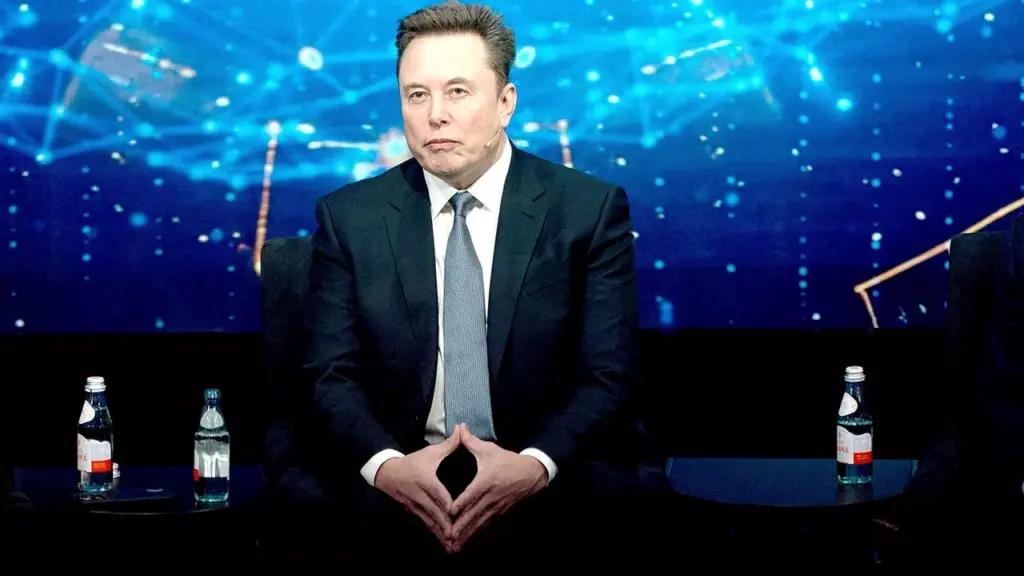
Tesla CEO Elon Musk announced at the World Economic Forum in Davos, Switzerland, that the company’s Optimus humanoid robots will be available for public sale by the end of 2027. Musk highlighted the robots’ potential applications in various sectors, including elder care and child supervision, emphasizing their growing capabilities and reliability.
During a discussion with Larry Fink, CEO of BlackRock and interim co-chair of the WEF, Musk provided insights into the timeline for deploying these robots in manufacturing environments. He stated, “Humanoid robotics will advance very quickly. We do have some of the Tesla Optimus robots doing simple tasks in the factory.” Musk anticipates that by the end of 2023, these robots will be performing more complex tasks within industrial settings.
Looking ahead, Musk expressed confidence that by the end of next year, Tesla will begin selling humanoid robots to the public, contingent upon achieving high reliability and safety standards. “You can basically ask it to do anything you’d like,” he noted, indicating a broad range of functionalities expected from the robots.
Musk further elaborated on the societal implications of humanoid robots, suggesting they could eventually outnumber humans. He remarked, “I think everyone on earth is going to have one and want one.” The potential benefits include assisting with childcare and caring for pets, addressing challenges many face in managing elder care due to a shortage of younger workers.
Despite the ambitious plans, Musk acknowledged the challenges of ramping up production for both the Optimus robots and Tesla’s upcoming robotaxi offering. He stated, “Initial production is always very slow and follows an S-curve. The speed of the production ramp is inversely proportionate to how many new parts and steps there are.” For the Optimus robots, he noted that the early production rate may be “agonizingly slow” but will eventually accelerate significantly.
Industry experts have pointed out that scaling humanoid robots involves complex technical challenges, particularly due to the lack of data required for training the underlying artificial intelligence models. Ken Mahoney, CEO of Mahoney Asset Management and a Tesla shareholder, emphasized the need for credible evidence of scalable manufacturing and a clear regulatory path for the successful deployment of these robots.
As Tesla prepares for this ambitious rollout, the company continues to navigate the intricacies of production and innovation within the rapidly evolving field of robotics. The forthcoming introduction of the Optimus robots marks a significant step in Tesla’s mission to integrate advanced technology into everyday life, potentially reshaping the landscape of labor and personal assistance.