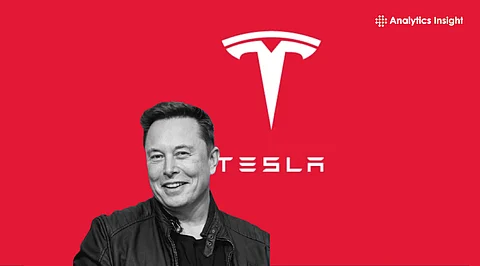
Tesla’s shareholders have overwhelmingly approved a compensation package for CEO Elon Musk, valued at up to $1 trillion, during the company’s annual general meeting held on Thursday in Austin, Texas. This deal marks the largest corporate compensation arrangement in history, with more than 75% of shareholders voting in favor. The plan is designed to transform Tesla from primarily an electric vehicle manufacturer into a leader in artificial intelligence and robotics.
The approval of this historic package underscores the significant confidence investors have in Musk’s leadership. While the deal could ultimately total around $878 billion after adjustments, it is intricately linked to ambitious operational and valuation milestones. These goals include producing 20 million vehicles annually, operating 1 million robotaxis, and achieving $400 billion in core profits. Musk’s compensation will be directly tied to these targets, with him receiving 1% of Tesla’s shares for each milestone reached.
Strategic Vision for the Future
At the meeting, Musk articulated his vision for Tesla’s future, stating, “What we are about to embark upon is not merely a new chapter of the future of Tesla, but a whole new book.” He further highlighted plans for launching the Cybercab robotaxi in April 2024, unveiling a next-generation Roadster, and potentially establishing a large AI chip fabrication facility in collaboration with Intel. Accompanied by Tesla’s humanoid robots, Musk’s presentation emphasized the company’s shift towards advanced technologies.
The approval of Musk’s pay plan followed extensive discussions among investors and analysts. Some critics have described the compensation as “excessive and unnecessary,” while supporters argue it is crucial for retaining Musk’s commitment and aligning his interests with those of the shareholders.
Investment in AI and Corporate Governance Concerns
The shareholder vote also included support for Tesla’s investment in Musk’s AI startup, xAI. However, many shareholders chose to abstain from this aspect of the vote, raising concerns over potential conflicts of interest. Corporate governance experts, such as Jessica McDougall from Longacre Square, noted that there would likely be calls for increased oversight to maintain clear boundaries between Tesla and xAI.
Opposition came from several quarters, including Norway’s sovereign wealth fund and proxy advisory firms Glass Lewis and ISS, who warned that the proposal could dilute shareholder value. The complexities of Musk’s multiple roles and interests have prompted calls for more transparent governance practices.
The approval of Musk’s compensation package solidifies his influence over Tesla’s trajectory as the company pivots towards integrating AI and robotics into its operations. Concerns remain regarding Musk’s political involvement and the distractions posed by his other ventures, including SpaceX and xAI. Nevertheless, investors appear optimistic that Musk’s vision will yield substantial growth.
In summary, if Musk meets all outlined targets, he stands to acquire 12% of Tesla’s shares, which would not only secure his position as the world’s richest individual but also establish him as the architect behind Tesla’s evolution into an AI powerhouse. As Musk stated, “What we are about to build isn’t just the future of Tesla, it’s the foundation of an entirely new kind of company.”