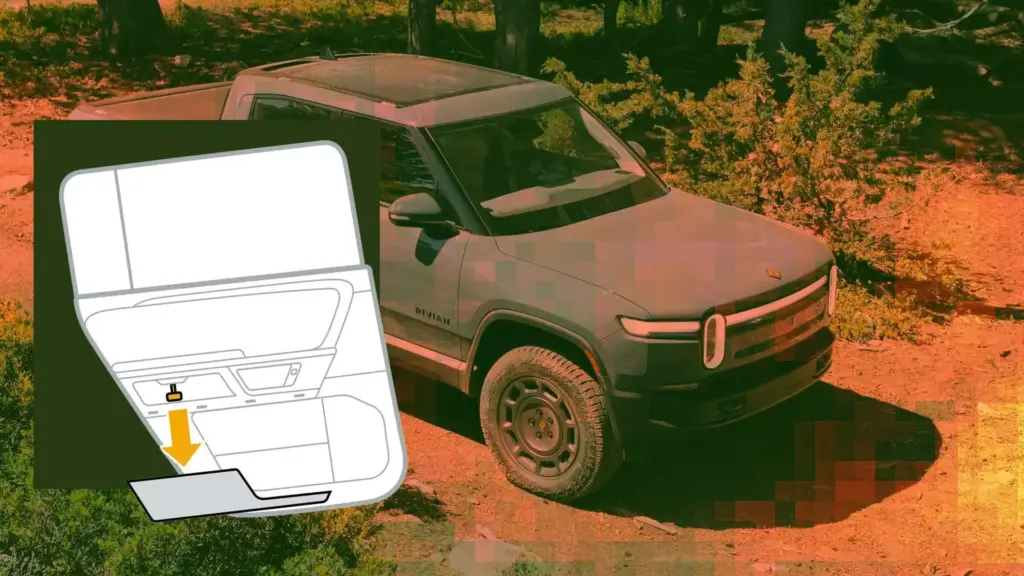
Some owners of the Rivian R1S and R1T electric vehicles are taking matters into their own hands to enhance safety for children. Following a design change in the 2025 model year, the emergency release for the rear doors has been relocated within the door panel, making it challenging to access in urgent situations. As a solution, some users are employing makeshift fixes, such as adding carabiners and cable ties, to ensure safe exits from their vehicles, which retail for over $70,000.
The redesign of Rivian’s door handles highlights a trend among electric vehicle manufacturers towards sleek, electronic mechanisms that contribute to aerodynamics and efficiency. Yet, this innovation has introduced safety concerns. In instances where power fails, passengers may find themselves trapped inside the vehicle. This issue is not unique to Rivian; similar problems have been reported with Tesla’s electronic door handles, which have faced scrutiny during emergencies.
In the case of Rivian, the modification made to the rear door emergency release requires passengers to remove a trim panel to access the cord, complicating the process significantly. The company’s manual states that this task can be daunting, especially for children. Frustration among owners is evident, as many have expressed their discontent with the new design.
“I’m a Rivian fan and supporter, but the current rear door manual latch design in the Gen-2 vehicles is a huge miss,” stated a user known as dublew_dubs on Reddit. This user shared a DIY guide to extend the manual release cord, emphasizing the difficulties involved in accessing it during an emergency. Another owner, identified as AlsonCentral, documented a similar approach using a steel cable and carabiner to enhance accessibility.
In light of these challenges, some owners have also opted to keep window-breaking tools in their vehicles as a precautionary measure. This sentiment mirrors experiences from Tesla drivers, who have also faced difficulties accessing manual door releases in emergencies.
Both Rivian and Tesla have acknowledged the issues related to their door mechanisms. Franz von Holzhausen, Tesla’s design chief, announced plans to redesign their door handles to incorporate both electronic and manual functionalities into a single mechanism. Rivian also indicated that its upcoming R2 SUV will feature redesigned door handles that address these safety concerns.
The National Highway Traffic Safety Administration (NHTSA) has taken note of the situation, opening a preliminary investigation into Tesla’s electronic door handles to determine whether they pose a safety defect. This increased scrutiny highlights the ongoing challenges posed by the shift to electronic vehicle designs, particularly concerning passenger safety during emergencies.
As both companies work towards solutions, the experiences of Rivian and Tesla owners underscore the critical importance of user-friendly emergency mechanisms in modern vehicles. The ongoing dialogue around vehicle safety remains vital as the automotive industry continues to innovate.