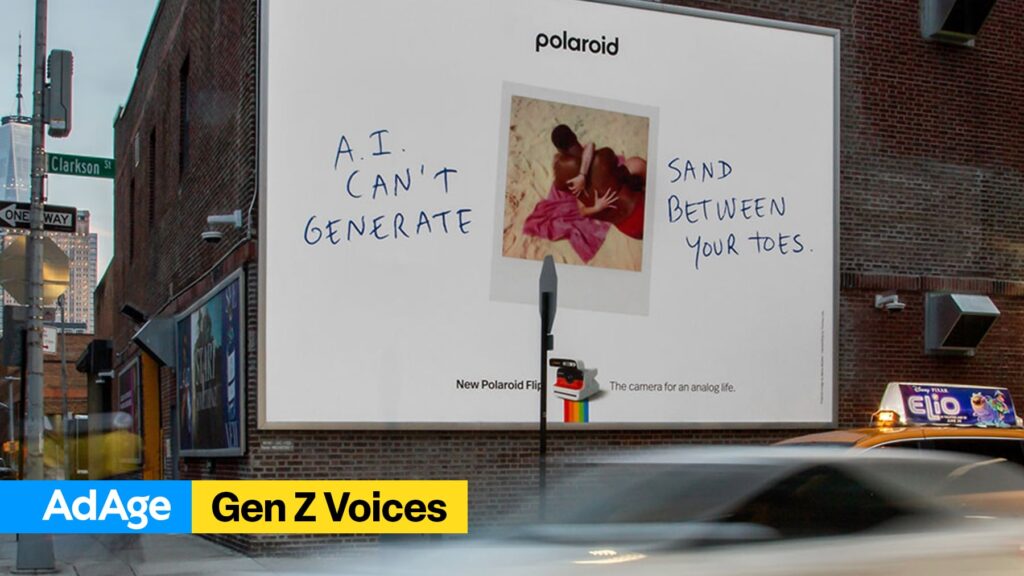
The marketing landscape is undergoing a significant transformation as Generation Z shifts towards slower, more mindful lifestyles. This change has profound implications for brands and marketers seeking to connect with this demographic. With an increasing focus on mental health and sustainability, Gen Z’s preferences reflect a desire for authenticity over trends.
Understanding this shift requires acknowledging how Gen Z differs from previous generations, such as Millennials. While the latter often prioritized experiences and social status, Gen Z appears more inclined to value personal well-being and eco-conscious choices. According to research by McKinsey & Company, approximately 70% of Gen Z consumers actively seek brands that align with their values concerning sustainability and mental well-being.
Changing Priorities for a New Generation
In 2023, social media platforms like TikTok and Instagram serve as more than just outlets for self-expression; they are also platforms where Gen Z shares their journeys toward a more balanced life. Many influencers now promote content that emphasizes self-care, mental health awareness, and eco-friendly initiatives. This shift indicates that brands must adapt their messaging to resonate with Gen Z’s evolving interests.
For marketers, the implications are clear. Traditional strategies focused on flashy promotions and the latest trends may no longer suffice. Instead, brands need to cultivate genuine connections with consumers. This involves showcasing real stories and transparent practices that reflect a commitment to sustainability and social responsibility.
Strategies for Engaging with Gen Z
To effectively engage with Gen Z, marketers should consider several strategies. First, brands must ensure their messaging is authentic. This generation values honesty and integrity, often skeptical of overly polished advertising. Using real people, rather than influencers, in marketing campaigns can enhance relatability and trust.
Additionally, incorporating eco-conscious practices into business operations can significantly influence purchase decisions. A survey conducted by IBM found that around 77% of Gen Z consumers prefer to buy from brands that demonstrate a commitment to environmental sustainability. This trend highlights the importance of integrating sustainable practices into the core of business strategies.
Moreover, mental health initiatives can also play a crucial role in brand loyalty. Supporting mental health causes or promoting well-being through campaigns resonates strongly with this demographic. Brands that actively engage in discussions about mental health can foster a deeper connection with consumers, reinforcing their commitment to social issues.
In conclusion, as Generation Z continues to shape the marketplace, marketers must pivot their strategies to align with the values of this emerging consumer base. By prioritizing authenticity, sustainability, and mental health, brands can create impactful connections that resonate with the priorities of today’s youth. Embracing this shift will be essential for marketers aiming to thrive in an ever-evolving industry landscape.